
Health Perceptions Among Citizens in the Province of Barletta-Andria-Trani (BAT), Southern Italy: A Cross-Sectional Study Using the Health Perception Questionnaire (QPS)
Daniele Papagni 1, Giuseppe Guglielmi 2, Giuseppe Papagni 3, Beatrice Dibenedetto 4,
Vincenzo Sgaramella 5, Marco Brescia 6, Federico Ruta 7, Elena Barile 8,9,*
- Healthcare Professions Unit, Department of Hospital and Community Healthcare Services, Local Health Authority of Bari, Bari, Italy.
- Cardiology and Interventional Hemodynamics Unit, “L. Bonomo” Hospital, Local Health Authority of Barletta-Andria-Trani, Andria, Italy.
- Department of Infectious Diseases, “Vittorio Emanuele II” Hospital, Local Health Authority of Barletta-Andria-Trani, Bisceglie, Italy.
- Oncology Counseling Center, “R. Dimiccoli” Hospital, Local Health Authority of Barletta-Andria-Trani, Barletta, Italy.
- Medical Directorate, “L. Bonomo” Hospital, Local Health Authority of Barletta-Andria-Trani, Andria, Italy.
- Independent Nurse Researcher, Barletta-Andria-Trani, Bisceglie, Italy.
- General Directorate, Local Health Authority of Barletta-Andria-Trani, Andria, Italy.
- Hemodialysis Unit, “Don Tonino Bello” Hospital, Local Health Authority of Bari, Molfetta, Italy.
- Department of Biomedicine and Prevention, University of Rome Tor Vergata, Rome, Italy.
Corresponding author: Elena Barile. Hemodialysis Unit, “Don Tonino Bello” Hospital, Local Health Authority of Bari, Molfetta, Italy, and University of Tor Vergata, Rome, Italy. E-mail: elena.barile@asl.bari.it, ORCID: 0009-0007-1394-6785.
Cite this article
ABSTRACT
Background: Health perception is increasingly recognized as a multidimensional concept encompassing physical, psychological, social, and lifestyle-related dimensions. Understanding how citizens conceptualize health is therefore essential for developing tailored public health strategies and community-based interventions. This study aimed to investigate perceptions of health among citizens and to examine associations with selected sociodemographic and clinical characteristics.
Methods: An observational cross-sectional study was conducted in the Italian province of Barletta-Andria-Trani (BAT), Puglia, Italy. A convenience sample of 257 adults (≥18 years) was recruited during public events in five municipalities (Andria, Barletta, Trani, Bisceglie, and Margherita di Savoia). Data were collected using the validated Health Perception Questionnaire (QPS), consisting of 35 Likert-scale items (1–4) addressing lifestyle, psychological, social, and biomedical aspects. Statistical analysis included descriptive analyses, reliability assessment using Cronbach’s alpha, chi-square tests, and Fisher’s exact tests.
Results: The Health Perception Questionnaire showed excellent internal consistency (Cronbach’s α = 0.940). Items related to lifestyle behaviors—physical activity, a balanced diet, and adequate sleep—showed the highest agreement rates (>90%), whereas items reflecting a purely biomedical or disease-absence approach received the lowest agreement, particularly the association of a vegetarian diet with the concept of health (52.1%). Chi-square analysis of item-level agreement frequencies identified 28 statistically significant associations.
Conclusion: Citizens of the BAT Province conceptualize health predominantly in biopsychosocial and broadly holistic terms, rejecting a reductionist biomedical model. This study provides local data supporting community-based health promotion programs and nursing practice.
Keywords: health perception, Health Perception Questionnaire (QPS), cross-sectional study, public health, Southern Italy.
Introduction
Health represents one of the most widely investigated and, at the same time, most debated constructs in the field of public health sciences. The foundational definition of the World Health Organization (WHO)—“a state of complete physical, mental and social well-being and not merely the absence of disease or infirmity” [1]—marked a fundamental shift from a purely biomedical approach to a biopsychosocial one. This conceptual shift was further reinforced by the Ottawa Charter for Health Promotion [2], which framed health as a dynamic process constructed through everyday life habits and requiring individual empowerment and intersectoral action.
In recent decades, self-perceived health (SPH) has been regarded as a predictor of morbidity, mortality, and health service use, even after adjustment for objective clinical indicators [3]. SPH reflects not only biological conditions but also psychological resources, social connections, and lifestyle-related behaviors, thereby serving as a comprehensive indicator of population health status. Despite a substantial body of international literature, evidence at the local community level remains limited, particularly in Southern Italy, where socioeconomic and cultural factors may distinctively shape subjective representations and assessments of health.
The Health Perception Questionnaire (QPS) is a validated Italian-language instrument specifically designed to assess citizens’ multidimensional perceptions of health [4]. Unlike generic quality-of-life instruments, the QPS explores not only physical and psychological dimensions but also relational, spiritual, economic, and lifestyle-related aspects. This makes it particularly useful for investigating how populations perceive health at the community level.
The objective of public health initiatives should be to promote citizens’ empowerment, strengthen their agency with regard to their own health, and establish stable mechanisms for participation in decision-making processes that affect them [5]. This orientation is consistent with recent developments in the United Kingdom National Health Service, which, through community-centred and community-powered approaches, aims to build structural partnerships with communities by involving citizens and local organizations in the design, implementation, and evaluation of services [5].
Healthcare systems and public health institutions should invest in robust social, economic, and professional engagement with community life, in order to develop choices that are as closely aligned as possible with citizens’ lived experience. This means moving from “doing health for citizens” to “doing health with citizens” [5].
In this regard, nurses are ethically committed to transforming health policies and ensuring the systematic involvement of individuals and communities in health-related decisions [6]. Knowledge of health determinants makes it possible to direct professional actions toward modifiable factors, namely those susceptible to correction and transformation: individual lifestyles, social and community networks, living and working environments, and, finally, the political, social, economic, and cultural context [7]. Given the evolving and multidimensional nature of the concept under investigation and the need to intervene on factors influencing the health status of individuals and communities, it is essential to understand what the concept of “health” means for each individual. The international literature reviewed reports instruments for measuring outcomes related to subjective health, including those associated with quality of life [8] and perceived well-being [9]; however, in the specific population of the Province of Barletta-Andria-Trani (BAT), the available literature is currently extremely limited. The QPS is an instrument developed and validated by Bonetti et al. [4] with the aim of investigating the concept of health from the citizen’s perspective; the present study applies it to this specific geographical population in order to understand which individual variables may influence this concept in the Italian population [4].
Objective
This study, promoted by the University and Research Committee of the Order of Nursing Professions of BAT Province (OPI-BAT), aims to describe how citizens of the BAT Province conceptualize and perceive health using the Health Perception Questionnaire (QPS), and to explore possible associations between QPS scores and the main sociodemographic and clinical variables.
Materials and Methods
Study design
The study used an observational cross-sectional design. Data were collected using a standardized self-administered digital questionnaire delivered via tablet. The questionnaire included the 35-item QPS instrument, organized according to the original validated structure, and an additional section dedicated to participants’ sociodemographic and clinical characteristics.
Specifically, data were collected on age, sex, educational level, and occupational status. Clinical and medical-history information was also collected, including the presence of chronic diseases, any recent hospitalizations, and medication use. No additional psychometric instruments or scales other than the QPS were included.
Setting and participants
The study was conducted in five municipalities of the BAT Province in Puglia, Southern Italy, namely Andria, Barletta, Trani, Bisceglie, and Margherita di Savoia. Together, these municipalities account for the majority of the provincial population and provide adequate geographical and sociodemographic heterogeneity. Data were collected during public events, mainly on weekends, in order to maximize access to a heterogeneous adult population. Specifically, recruitment took place during health promotion and health-awareness initiatives organized by the Order of Nursing Professions (OPI-BAT), local health fairs, prevention campaigns, and community meetings open to citizens and organized in collaboration with the Local Health Authority of BAT.
Potential participants were recruited directly by the researchers, who were present at dedicated information stands or data collection points, and were invited to take part in the study through a brief presentation of its aims and participation procedures. Enrollment was voluntary.
Before participation, all subjects were provided with a digital information sheet, available on the tablets supplied to the researchers, containing the study objectives, data collection and processing procedures, guarantees of anonymity and confidentiality, and the possibility of withdrawing at any time without consequences. Informed consent was therefore obtained electronically directly on the device before completion of the questionnaire.
Data collection took place between 1 February 2026 and 31 March 2026. The inclusion criteria were: age ≥18 years, residence or domicile in the BAT Province, voluntary participation, and provision of digital informed consent. The exclusion criteria were: age <18 years, non-residence in the BAT Province, inability to understand Italian, and refusal to provide consent.
Sampling strategy
The sampling strategy adopted was non-probabilistic and based on quota convenience sampling, defined to proportionally reflect the age distribution of the adult population of the BAT Province according to ISTAT 2023 data [10]: 18–25 years (9.3%, n = 24), 26–44 years (30.7%, n = 79), 45–64 years (30.7%, n = 79), and ≥65 years (29.3%, n = 75), for a total sample of 257 participants. No formal a priori sample size calculation was performed, as the study was exploratory and descriptive in nature and aimed to provide an initial analysis of the phenomenon under investigation.
Data collection instrument
The QPS [4] is a validated 35-item self-report questionnaire that assesses individuals’ perception of health across several dimensions, including lifestyle behaviors, psychological well-being, relational and social aspects, spiritual health, economic factors, and biomedical perspectives.
Each item is rated on a 4-point Likert scale, where 1 indicates strongly disagree and 4 indicates strongly agree. The questionnaire was administered through the Microsoft Forms digital platform and could be accessed via a QR code. To ensure equitable participation among older adults and individuals with limited digital skills, the study authors were available during all data collection sessions to assist with questionnaire completion, including reading questions aloud when necessary.
Data analysis
Quantitative data were analyzed using Jamovi software (Version 2.6; [11]). Descriptive statistics, including means, standard deviations, and frequency distributions, were calculated for all QPS items and sociodemographic variables. Cronbach’s alpha was calculated to assess internal consistency in a geographical and cultural context different from that of the original validation study and thus to evaluate psychometric properties in different populations [12]. Following the method adopted by Bonetti et al. [4], responses to each item were dichotomized into two groups. Ratings of 3 (partially agree) and 4 (strongly agree) were considered agreement and coded as 1. Conversely, ratings of 1 (strongly disagree) and 2 (partially disagree) were classified as disagreement and coded as 0. Agreement frequencies for each item were then analyzed across the following subgroups: sex, age group, regular medication use, and presence of chronic disease, the four variables examined in the original study [4]. The chi-square test (χ²) was used for all comparisons, and Fisher’s exact test was applied when expected cell frequencies were below 5 [13]. For contingency tables showing a statistically significant overall association, post-hoc analyses were conducted using adjusted standardized residuals (ASRs) to identify the specific categories contributing to the observed association. Absolute ASR values greater than 1.96 were considered statistically significant, indicating that the observed frequency differed from the expected frequency under the null hypothesis at a two-tailed significance level of α = 0.05 [13]. Positive residuals indicated over-representation, whereas negative residuals indicated under-representation. Statistical significance was set at α = 0.05 (two-tailed).
RESULTS
Sample characteristics
A total of 257 participants were included in the analysis. The sociodemographic and clinical characteristics of the sample are shown in Table 1.
Variable N % Sex Female 138 53.7 Male 119 46.3 Age group 18–25 years 24 9.3 26–44 years 79 30.7 45–64 years 79 30.7 ≥65 years 75 29.3 Education Primary school 32 12.5 Lower secondary school 41 16.0 Upper secondary school 124 48.2 Bachelor’s degree 27 10.5 Master’s degree 30 11.6 PhD 3 1.2 Chronic disease Yes 108 42.0 No 149 58.0 Regular medication use Yes 124 48.2 No 133 51.8 Hospitalizations in the previous year Yes 38 14.8 No 219 85.2 Table 1. Sociodemographic and clinical characteristics of the sample (N = 257).
The sample included 138 women (53.7%) and 119 men (46.3%). The largest age groups were those aged 26–44 years and 45–64 years, with 79 participants in each group, corresponding to 30.7% of the total. Most participants had completed education up to upper secondary school level, with 124 participants, representing 48.2% of the sample. Chronic disease was reported by 108 participants, corresponding to 42.0% of the group. Of the total sample, 124 individuals, or 48.2%, reported regular medication use. In addition, 38 participants, equal to 14.8%, had been hospitalized in the previous 12 months.
Internal reliability
The QPS showed very strong internal consistency across all 35 items (Cronbach’s alpha = 0.940), supporting its use as a measure of health perception in this sample.
Descriptive analysis of QPS items
Response distributions for each item (I1–I35) are reported in Table 2.
N
Item
Strongly disagree n (%) Partially disagree n (%) Partially agree n (%)
Strongly agree n (%)
1 Health is the desire to live 9 (3.5) 2 (0.8) 103 (40.1) 143 (55.6) 2 A healthy person feels free 8 (3.1) 18 (7.0) 103 (40.1) 128 (49.8) 3 A healthy person is active 8 (3.1) 17 (6.6) 104 (40.5) 128 (49.8) 4 Good sleep promotes health 7 (2.7) 18 (7.0) 79 (30.7) 153 (59.5) 5 A healthy person is able to ask for help 13 (5.1) 21 (8.2) 119 (46.3) 104 (40.5) 6 Physical activity is good for health 6 (2.3) 11 (4.3) 86 (33.5) 154 (59.9) 7 If I need ongoing care, I am ill 9 (3.5) 42 (16.3) 120 (46.7) 86 (33.5) 8 A balanced diet promotes health 6 (2.3) 13 (5.1) 87 (33.9) 151 (58.7) 9 Healthy people are physically fit 12 (4.7) 26 (10.1) 126 (49.0) 93 (36.2) 10 Health is influenced by social relationships 11 (4.3) 30 (11.7) 124 (48.2) 92 (35.8) 11 Healthy people follow a vegetarian diet 60 (23.3) 63 (24.5) 85 (33.1) 49 (19.1) 12 A healthy person is in harmony with themselves and with others
9 (3.5) 20 (7.8) 115 (44.7) 113 (44.0) 13 Taking medication is a sign of illness 28 (10.9) 59 (23.0) 106 (41.2) 64 (24.9) 14 The absence of worries is health 22 (8.6) 45 (17.5) 109 (42.4) 81 (31.5) 15 Family support promotes health 5 (1.9) 25 (9.7) 109 (42.4) 118 (45.9) 16 Having a satisfying sex life is an important component of health
7 (2.7) 26 (10.1) 122 (47.5) 102 (39.7) 17 Relationship difficulties can affect health 8 (3.1) 31 (12.1) 129 (50.2) 89 (34.6) 18 Being healthy means being independent 18 (7.0) 33 (12.8) 99 (38.5) 107 (41.6) 19 Health is influenced by economic well-being 19 (7.4) 27 (10.5) 132 (51.4) 79 (30.7) 20 Spiritual health is important 14 (5.4) 31 (12.1) 110 (42.8) 102 (39.7) 21 Being healthy means being free from worries 26 (10.1) 54 (21.0) 120 (46.7) 57 (22.2) 22 The absence of pain is a sign of good health 31 (12.1) 53 (20.6) 106 (41.2) 67 (26.1) 23 Paying attention to one's environment promotes health 6 (2.3) 26 (10.1) 130 (50.6) 95 (37.0) 24 Psychological problems are a sign of illness 15 (5.8) 44 (17.1) 123 (47.9) 75 (29.3) 25 If I have no physical signs or symptoms, I am healthy 30 (11.7) 48 (18.7) 120 (46.7) 59 (23.0) 26 A healthy person prevents disease 21 (8.2) 31 (12.1) 117 (45.5) 88 (34.2) 27 A healthy person has an active social life 17 (6.6) 28 (10.9) 123 (47.9) 89 (34.6) 28 Healthy people do not have harmful habits (drug use, alcohol misuse, smoking, or gambling) 34 (13.2) 39 (15.2) 112 (43.6) 72 (28.0) 29 Being healthy means being free from disease 19 (7.4) 42 (16.3) 115 (44.7) 81 (31.5) 30 Having a healthy body weight means being healthy 15 (5.8) 26 (10.1) 119 (46.3) 97 (37.7) 31 A healthy person takes care of themselves 9 (3.5) 18 (7.0) 118 (45.9) 112 (43.6) 32 Having a job influences health 8 (3.1) 25 (9.7) 128 (49.8) 96 (37.4) 33 Sharing with others promotes health 9 (3.5) 18 (7.0) 117 (45.5) 113 (44.0) 34 Being depressed means being ill 20 (7.8) 34 (13.2) 114 (44.4) 89 (34.6) 35 Poor health increases vulnerability 7 (2.7) 20 (7.8) 120 (46.7) 110 (42.8) Table 2. Distribution of responses to the 35 items of the Health Perception Questionnaire (QPS) (N = 257).
The five items with the highest level of agreement, corresponding to ratings of 3–4, were: I6—physical activity promotes health (93.4%), I8—a balanced diet promotes health (92.6%), I1—health is the desire to live (95.7%), I4—good sleep promotes health (90.3%), and I3—a healthy person is active (90.3%). Conversely, the items with the lowest levels of agreement were those reflecting a purely biomedical or reductionist view of health: I21—being healthy means being free from worries (68.9%), I22—absence of pain is a sign of good health (67.3%), I25—absence of physical symptoms means health (69.6%), I13—taking medication is a sign of illness (66.1%), and I11—healthy people follow a vegetarian diet (52.1%).
Inferential Analysis
Following the approach of Bonetti et al. [4], agreement frequencies for each QPS item (ratings 3–4) were compared across four sociodemographic and clinical subgroups: sex, age group, regular medication use, and presence of chronic diseases. The chi-square test was applied, while Fisher’s exact test was used when expected cell frequencies were below 5 [13]. Statistically significant results (p < 0.05) are presented in Table 3. Specifically, the table reports only those items showing at least one significant association (p < 0.05) among the items discussed in the text.
Item Variable Category Agree n (%)
Disagree n (%)
χ² df p Standardized residue (z)† I6) Physical activity promotes health Sex Female 124 (48.2%) 14 (5.4%) 6.013 1 0.014 -2.45 ↓ Male 116 (45.1%) 3 (1.2%) +2.45 ↑ I11) Healthy people follow a vegetarian diet Age group 18–25 years 6 (2.3%) 18 (7.0%) 19.416 3 < 0.001 -2.80 ↓ 26–44 years 35 (13.6%) 44 (17.1%) -1.68 45–64 years 40 (15.6%) 39 (15.2%) -0.32 ≥65 years 53 (20.6%) 22 (8.6%) +3.82 ↑ Chronic disease Yes 65 (25.3%) 43 (16.7%) 4.832 1 0.028 +2.20 ↑ No 69 (26.8%) 80 (31.1%) -2.20 ↓ I13) Taking medications is a sign of illness Age group 18–25 years 11 (4.3%) 13 (5.1%) 17.259 3 < 0.001 -2.21 ↓ 26–44 years 47 (18.3%) 32 (12.5%) -1.50 45–64 years 49 (19.1%) 30 (11.7%) -0.93 ≥65 years 63 (24.5%) 12 (4.7%) +3.88 ↑ Chronic disease Yes 79 (30.7%) 29 (11.3%) 4.077 1 0.043 +2.02 ↑ No 91 (35.4%) 58 (22.6%) -2.02 ↓ I14) Being free from worries means being healthy Sex Female 95 (37.0%) 43 (16.7%) 4.005 1 0.045 -2.00 ↓ Male 95 (37.0%) 24 (9.3%) +2.00 ↑ Age group 18–25 years 9 (3.5%) 15 (5.8%) 22.620 3 < 0.001 -4.27 ↓ 26–44 years 55 (21.4%) 24 (9.3%) -1.05 45–64 years 63 (24.5%) 16 (6.2%) +1.42 ≥65 years 63 (24.5%) 12 (4.7%) +2.36 ↑ Regular medication use Yes 99 (38.5%) 25 (9.7%) 4.340 1 0.037 +2.08 ↑ No 91 (35.4%) 42 (16.3%) -2.08 ↓ Chronic disease Yes 88 (34.2%) 20 (7.8%) 5.512 1 0.019 +2.35 ↑ No 102 (39.7%) 47 (18.3%) -2.35 ↓ I18) Being healthy means being independent Age group 18–25 years 13 (5.1%) 11 (4.3%) 12.422 3 0.006 -3.35 ↓ 26–44 years 65 (25.3%) 14 (5.4%) +0.57 45–64 years 63 (24.5%) 16 (6.2%) -0.11 ≥65 years 65 (25.3%) 10 (3.9%) +1.68 Regular medication use Yes 106 (41.2%) 18 (7.0%) 4.277 1 0.039 +2.07 ↑ No 100 (38.9%) 33 (12.8%) -2.07 ↓ I21) Being healthy means being free from worries Age group 18–25 years 9 (3.5%) 15 (5.8%) 23.072 3 < 0.001 -3.49 ↓ 26–44 years 48 (18.7%) 31 (12.1%) -1.87 45–64 years 56 (21.8%) 23 (8.9%) +0.46 ≥65 years 64 (24.9%) 11 (4.3%) +3.66 ↑ Regular medication use Yes 93 (36.2%) 31 (12.1%) 4.198 1 0.040 +2.05 ↑ No 84 (32.7%) 49 (19.1%) -2.05 ↓ Chronic disease Yes 86 (33.5%) 22 (8.6%) 10.056 1 0.002 +3.17 ↑ No 91 (35.4%) 58 (22.6%) -3.17 ↓ I22) Absence of pain is a sign of good health Age group 18–25 years 9 (3.5%) 15 (5.8%) 29.001 3 < 0.001 -3.27 ↓ 26–44 years 47 (18.3%) 32 (12.5%) -1.78 45–64 years 50 (19.5%) 29 (11.3%) -0.92 ≥65 years 67 (26.1%) 8 (3.1%) +4.83 ↑ Regular medication use Yes 94 (36.6%) 30 (11.7%) 7.852 1 0.005 +2.80 ↑ No 79 (30.7%) 54 (21.0%) -2.80 ↓ Chronic disease Yes 82 (31.9%) 26 (10.1%) 6.278 1 0.012 +2.51 ↑ No 91 (35.4%) 58 (22.6%) -2.51 ↓ I24) Psychological problems are a sign of illness Age group 18–25 years 14 (5.4%) 10 (3.9%) 16.751 3 < 0.001 -2.29 ↓ 26–44 years 60 (23.3%) 19 (7.4%) -0.28 45–64 years 55 (21.4%) 24 (9.3%) -1.88 ≥65 years 69 (26.8%) 6 (2.3%) +3.66 ↑ Chronic disease Yes 90 (35.0%) 18 (7.0%) 4.168 1 0.041 +2.04 ↑ No 108 (42.0%) 41 (16.0%) -2.04 ↓ I25) If I have no physical signs or symptoms, I am healthy Age group 18–25 years 8 (3.1%) 16 (6.2%) 24.009 3 < 0.001 -4.06 ↓ 26–44 years 53 (20.6%) 26 (10.1%) -0.59 45–64 years 54 (21.0%) 25 (9.7%) -0.30 ≥65 years 64 (24.9%) 11 (4.3%) +3.51 ↑ Regular medication use Yes 95 (37.0%) 29 (11.3%) 5.496 1 0.019 +2.34 ↑ No 84 (32.7%) 49 (19.1%) -2.34 ↓ Chronic disease Yes 84 (32.7%) 24 (9.3%) 5.822 1 0.016 +2.41 ↑ No 95 (37.0%) 54 (21.0%) -2.41 ↓ I26) A healthy person engages in disease prevention Sex Female 103 (40.1%) 35 (13.6%) 4.858 1 0.028 -2.20 ↓ Male 102 (39.7%) 17 (6.6%) +2.20 ↑ Regular medication use Yes 106 (41.2%) 18 (7.0%) 4.853 1 0.028 +2.20 ↑ No 99 (38.5%) 34 (13.2%) -2.20 ↓ Chronic disease Yes 93 (36.2%) 15 (5.8%) 4.646 1 0.031 +2.16 ↑ No 112 (43.6%) 37 (14.4%) -2.16 ↓ I27) A healthy person has an active social life Chronic disease Yes 97 (37.7%) 11 (4.3%) 6.919 1 0.009 +2.63 ↑ No 115 (44.7%) 34 (13.2%) -2.63 ↓ I28) Healthy people have no vices (drugs, alcohol, smoking, gambling) Age group 18–25 years 12 (4.7%) 12 (4.7%) 10.825 3 0.013 -2.46 ↓ 26–44 years 53 (20.6%) 26 (10.1%) -1.07 45–64 years 57 (22.2%) 22 (8.6%) +0.13 ≥65 years 62 (24.1%) 13 (5.1%) +2.53 ↑ Regular medication use Yes 96 (37.4%) 28 (10.9%) 3.996 1 0.046 +2.00 ↑ No 88 (34.2%) 45 (17.5%) -2.00 ↓ Chronic disease Yes 89 (34.6%) 19 (7.4%) 10.708 1 0.001 +3.27 ↑ No 95 (37.0%) 54 (21.0%) -3.27 ↓ I29) Being healthy means the absence of disease Age group 18–25 years 14 (5.4%) 10 (3.9%) 10.816 3 0.013 -2.17 ↓ 26–44 years 59 (23.0%) 20 (7.8%) -0.40 45–64 years 57 (22.2%) 22 (8.6%) -1.03 ≥65 years 66 (25.7%) 9 (3.5%) +2.84 ↑ Regular medication use Yes 102 (39.7%) 22 (8.6%) 4.755 1 0.029 +2.18 ↑ No 94 (36.6%) 39 (15.2%) -2.18 ↓ Chronic disease Yes 91 (35.4%) 17 (6.6%) 6.577 1 0.010 +2.56 ↑ No 105 (40.9%) 44 (17.1%) -2.56 ↓ I30) Having a healthy weight means being healthy Chronic disease Yes 97 (37.7%) 11 (4.3%) 4.622 1 0.032 +2.15 ↑ No 119 (46.3%) 30 (11.7%) -2.15 ↓ I34) Being depressed means being ill Age group 18–25 years 16 (6.2%) 8 (3.1%) 11.511 3 0.009 -1.56 26–44 years 63 (24.5%) 16 (6.2%) +0.20 45–64 years 56 (21.8%) 23 (8.9%) -2.12 ↓ ≥65 years 68 (26.5%) 7 (2.7%) +2.95 ↑ Chronic disease Yes 94 (36.6%) 14 (5.4%) 7.271 1 0.007 +2.70 ↑ No 109 (42.4%) 40 (15.6%) -2.70 ↓ Table 3. Statistically significant associations between QPS items and sample characteristics (N = 257). Chi-square test (or Fisher’s exact test, where appropriate); percentages were calculated on the total sample.
In the last column of Table 3, the Adjusted standardized residuals (z) derived from post-hoc residual analysis were reported. Absolute values of |z| > 1.96 indicate categories that were significantly overrepresented (↑) or underrepresented (↓) relative to expected frequencies (α = 0.05, two-tailed test); these values are shown in bold.
Of the 140 combinations tested, comprising 35 items each evaluated across four variables, 28 associations (20.0%) were found to be statistically significant. Age group showed the strongest association, with 11 items displaying significant differences (I11, I13, I14, I18, I21, I22, I24, I25, I28, I29, I34). Items reflecting biomedical or symptom-free conceptions of health exhibited a consistent gradient of increasing agreement across older age groups: I22—absence of pain as an indicator of good health (18–25 years: 37.5% vs. ≥65 years: 89.3%), I21—being healthy means being free from worries, I14—absence of worries is health, and I25—absence of physical symptoms indicates good health (all p < 0.001). Item I11—healthy people follow a vegetarian diet—showed the steepest age-related gradient, with agreement increasing from 25.0% in the 18–25 age group to 70.7% among participants aged ≥65 years (p < 0.001).
The presence of a chronic disease was associated with significantly higher agreement on 11 items (I11, I14, I21, I22, I25, I26, I27, I28, I29, I30, I34). Regular medication use was associated with four significant items (I22, I25, I26, I29). Sex differences were limited to two items: I6—physical activity promotes health (p = 0.028; males: 97.5% vs. females: 89.9%) and I26—a healthy person engages in disease prevention (p = 0.041).
DISCUSSION
The findings of this survey provide a clear picture of how health is conceptualized among residents of the BAT Province. Most participants did not conceptualize health as a narrowly biomedical construct. For most participants, being healthy means being active, maintaining social relationships, eating well, sleeping well, and feeling free, rather than simply being free from disease diagnoses. This perspective is consistent with the World Health Organization's definition of health [1] and with Antonovsky’s salutogenic model [14], which conceptualizes health in terms of the resources individuals draw upon to cope with everyday challenges rather than the mere absence of pathology.
The QPS showed excellent reliability in this sample. A Cronbach’s alpha of 0.940 indicates excellent internal consistency and confirms the value reported in the Italian validation study [4]. This finding is encouraging, as it suggests that the instrument performs well not only in Northern Italy, where it was originally tested, but also in Southern Italian populations. The five items receiving the highest levels of agreement—physical activity, balanced nutrition, adequate sleep, vitality, and active self-care—indicate a conception of health as an active process, something that is cultivated and maintained rather than simply experienced.
These findings are consistent with a growing body of evidence showing that health beliefs among citizens, both in Italy and internationally, are increasingly oriented toward behavioral determinants of health, moving away from passive and exclusively disease-centred models [15,16]. The fact that 95.7% of respondents agreed with the statement “health is the desire to live” (I1) effectively summarizes this perspective: for the participants in this study, health is not merely the absence of disease but, more importantly, an attitude toward life and the way it is lived [17].
The item generating the greatest disagreement, namely “healthy people follow a vegetarian diet” (I11; 47.9% disagreement), warrants brief consideration. Southern Italy, characterized by one of the world’s most deeply rooted Mediterranean dietary traditions, may have led participants to distinguish between healthy eating and adherence to a specific vegetarian dietary pattern. This finding should not necessarily be interpreted as a rejection of healthy nutrition, but rather as a culturally shaped reluctance to equate health with a single dietary model. Results such as these highlight the importance of interpreting health perception instruments within their cultural context. However, the low level of agreement with this item may not be attributable solely to cultural factors. It may also reflect an inherent limitation in the item’s wording, which appears to imply a direct and exclusive association between health and vegetarianism. This ambiguity has already been noted in the literature [4], and its recurrence in the present sample suggests a potential limitation of the instrument that should be considered in future revision and adaptation processes.
Age emerged as the variable most strongly associated with differences in health perceptions. Older adults consistently showed higher levels of agreement with items defining health in terms of the absence of symptoms, pain, medication use, or visible signs of illness. This generational difference likely reflects two complementary factors. On the one hand, many individuals aged 65 years and older were socialized within a more traditional conception of health. On the other hand, they have direct experience of age-related physical decline. As individuals experience increasing age-related physical limitations, the absence of symptoms may indeed come to be perceived as synonymous with good health.
Post-hoc analysis of adjusted standardized residuals (ASRs) [14], conducted for all associations found to be significant in the chi-square analyses, provided insight beyond the overall statistical significance by identifying the specific categories contributing most strongly to each association. An adjusted standardized residual measures, for each cell in a contingency table, the difference between observed and expected frequencies under the assumption of independence, expressed in standard deviation units. Absolute values greater than 1.96 indicate a statistically significant deviation (α = 0.05), with positive values indicating over-representation and negative values indicating under-representation relative to expected frequencies.
In the present sample, for nearly all items reflecting a biomedical conception of health (I11, I14, I21, I22, and I25), individuals aged ≥65 years consistently displayed the highest positive residuals (ASRs ranging from +2.36 to +4.83), whereas participants aged 18–25 years showed the most pronounced negative residuals (ASRs ranging from −2.80 to −4.27). Therefore, it was specifically the oldest age group, rather than a generic age-related trend, that primarily drove the significance of these associations. This level of detail, obtainable only through residual analysis rather than the overall chi-square p-value, strengthens the clinical interpretation that the lived experience of ageing is specifically associated with a symptom-oriented view of health.
Sex differences were limited but interpretable. Men showed higher agreement with items relating to physical activity as a health-promoting behavior (I6) and to the belief that a healthy person actively prevents disease (I26). These patterns are consistent with previous literature reporting sex-specific health behaviors, whereby men tend to associate health more strongly with physical performance and preventive actions [4]. The absence of significant sex differences across most other items suggests that, at least within this sample, men and women share broadly similar conceptions of health.
Participants with chronic diseases showed higher levels of agreement with biomedical-oriented items (I21, I22, I28, and I29) compared with participants without chronic conditions. At first glance, this finding may appear counterintuitive, as individuals living with chronic illness might be expected to develop a more complex understanding of health. However, the result is consistent with the findings reported by Bonetti et al.; the lived experience of disease may reinforce symptom-centred conceptions of health rather than challenge them. Similarly, individuals who reported regular medication use were more likely to agree that health is characterized by the absence of physical symptoms (I25) and pain (I22). This further suggests that the daily experience of managing health conditions influences—and may sometimes narrow—the way health itself is conceptualized.
From a nursing perspective, perhaps the most noteworthy finding is that participants rarely defined health as merely the absence of disease. Several concepts traditionally emphasized in nursing health education—including physical activity (I6), maintaining a healthy weight (I30), avoiding substance misuse (I28), and practicing active self-care (I31)—received widespread support. This provides nurses with a concrete starting point for health promotion interventions. By encouraging healthy behaviors, nurses can build upon individuals’ existing understanding of health rather than attempting to challenge deeply rooted biomedical beliefs. Understanding what health means to each person is not an ancillary aspect of care but a fundamental prerequisite for delivering genuinely person-centred nursing practice.
These findings should also be considered within the broader context of evidence concerning territorial health inequalities in Italy. National studies based on data from the ISTAT Multipurpose Household Survey have consistently shown that self-rated health is less favorable in Southern Italy than in Central and Northern regions, with this disparity becoming more pronounced in recent years and particularly affecting women [19]. Similar geographic gradients are also reflected in ISTAT indicators of healthy life expectancy, which document a structural disadvantage for Southern Italy compared with the North. This national picture is broadly consistent with the present findings. Despite living in a southern Italian context, residents of the BAT Province reported high levels of agreement with items related to active and health-promoting lifestyles. This suggests that subjective conceptions of health do not necessarily align with objective population health indicators but may instead be shaped by local cultural factors, including the Mediterranean dietary tradition and the strong social and community networks typically found in small- and medium-sized Southern Italian settings. However, it should be noted that, to our knowledge, no other Italian studies have applied the QPS instrument in different provinces or regions. Consequently, direct comparison with the original validation study conducted in Northern Italy [4] remains the only instrument-specific benchmark currently available.
Limitations
Several limitations should be considered when interpreting the findings of this study. First, although the quota convenience sampling strategy was designed to reflect the age distribution of the BAT Province according to ISTAT 2023 data, participants were not selected through random sampling. This introduces a potential risk of selection bias and limits the generalizability of the findings to the entire adult population of the province (approximately 300,000 inhabitants).
Second, the cross-sectional design provides a snapshot of participants’ health perceptions at a single point in time and does not allow causal inferences to be drawn regarding the relationships between sociodemographic characteristics and health perceptions.
Third, the dichotomization of Likert-scale responses (1–2 vs. 3–4), although consistent with the methodological approach adopted by Bonetti et al. [4], may have resulted in some loss of information and reduced the discriminative capacity of the analyses.
Additional sources of bias should also be acknowledged. These include social desirability bias, particularly among participants who received assistance from study personnel while completing the questionnaire, potentially leading to unintentional influence on responses; non-response bias, whereby individuals who declined participation may systematically differ from those who took part; and possible incidence–prevalence bias resulting from the over- or under-representation of individuals with chronic diseases or polypharmacy compared with the resident adult population.
Finally, the absence of a formal a priori sample size calculation represents a further limitation. Although this may be justified by the exploratory nature of the study, future research should aim to overcome this limitation through probabilistic sampling strategies and adequately powered study designs.
CONCLUSIONS
In conclusion, residents of the BAT Province generally conceptualize health in a holistic manner, considering not only the body but also lifestyle, interpersonal relationships, and mental well-being as essential components of overall health. A purely biomedical perspective, defining health simply as the absence of disease or symptoms, was endorsed by only a minority of participants. Most respondents recognized that an individual may still perceive themselves as healthy while living with a chronic condition or undergoing ongoing treatment.
This finding is particularly relevant, as it has direct implications for how nurses and other healthcare professionals interact with patients and develop care plans [4]. Future research should employ probabilistic sampling methods across different Italian provinces to determine whether these patterns are consistent nationwide and to explore potential regional differences. Longitudinal studies may also help clarify whether individuals’ perceptions of health change over time, for example following significant health-related experiences or as a consequence of ageing. Finally, the QPS appears to be a useful instrument for nursing assessment, as it captures what health means to each individual—precisely the type of information required to support person-centred care [4].
Ethical Statements
The study protocol received formal approval from the Ethics Committee of the University Hospital of Foggia (Approval No. 17/CE/2026) on 26 February 2026. The study was conducted in accordance with the principles of the Declaration of Helsinki (2013 revision) [18] and the General Data Protection Regulation (GDPR—EU Regulation 2016/679). Digital informed consent was obtained from all participants prior to data collection. Participation in the study was voluntary and completely anonymous. No personally identifiable data were collected from participating subjects.
Conflicts of Interest
The authors declare that they have no conflicts of interest related to this study.
Funding
No specific funding was received for this study.
Author Contributions
Conceptualization: D.P., Data curation: G.G., E.B., D.P., B.D. Formal analysis: E.B. Supervision: F.R., E.B., D.P. Visualization: M.B., G.P., F.R. Writing – original draft: G.G., E.B., V.S. Writing – review & editing: E.B., D.P., G.G. All authors critically revised the manuscript for important intellectual content and approved the final version for submission. E.B. is the corresponding author.
Acknowledgements
The authors would like to thank all individuals who dedicated their time to this project, particularly those who contributed to data collection and all participants who completed the questionnaire.
REFERENCES
- World Health Organization. Constitution of the World Health Organization. Geneva: WHO; 1948.
- World Health Organization. Ottawa Charter for Health Promotion. Geneva: WHO; 1986.
- Idler EL, Benyamini Y. Self-rated health and mortality: a review of twenty-seven community studies. J Health Soc Behav. 1997;38(1):21-37. doi:10.2307/2955359
- Bonetti L, Demarchi A, Terzoni S, et al. Cos'è la salute per te? Sviluppo e validazione del Questionario sulla Percezione della Salute (QPS) nella popolazione italiana [What is health for you? Development and validation of the Health Perception Questionnaire (QPS) in the Italian population]. L'Infermiere. 2023;60(4):e178-89.
- South J. A guide to community-centred approaches for health and wellbeing. London: Public Health England/NHS England; 2015. Available from: https://www.gov.uk/government/publications/health-and-wellbeing-a-guide-to-community-centred-approaches
- Federazione Nazionale degli Ordini delle Professioni Infermieristiche (FNOPI). Commentario al Codice Deontologico delle Professioni Infermieristiche. Roma: FNOPI; 2019. Available from: https://www.fnopi.it/wp-content/uploads/2020/06/Commentario-CD-.pdf
- International Council of Nurses (ICN). The ICN Code of Ethics for Nurses. Geneva: ICN; 2019. Available from: https://www.icn.ch/sites/default/files/inline-files/ICN_Code-of-Ethics_EN_Web.pdf.
- Ware JE, Gandek B. Overview of the SF-36 Health Survey and the International Quality of Life Assessment (IQOLA) Project. J Clin Epidemiol. 1998;51(11):903-12. doi:10.1016/S0895-4356(98)00081-X
- Topp CW, Østergaard SD, Søndergaard S, et al. The WHO-5 Well-Being Index: a systematic review of the literature. Psychother Psychosom. 2015;84(3):167-76. doi:10.1159/000376585
- Istituto Nazionale di Statistica (ISTAT). Dati demografici territoriali—Provincia Barletta-Andria-Trani. Rome: ISTAT; 2023 [cited 2026 Jun 6]. Available from: https://www.istat.it
- The jamovi project. jamovi (Version 2.6) [computer software]. 2024 [cited 2026 Jun 6]. Available from: https://www.jamovi.org.
- Nunnally JC, Bernstein IH. Psychometric theory. 3rd ed. New York: McGraw-Hill; 1994.
- Sheskin DJ. Handbook of Parametric and Nonparametric Statistical Procedures. 4th ed. Boca Raton: Chapman & Hall/CRC; 2004.
- Antonovsky A. Unraveling the mystery of health: how people manage stress and stay well. San Francisco: Jossey-Bass; 1987.
- Blaxter M. Health and lifestyles. London: Tavistock/Routledge; 1990.
- Huber M, Knottnerus JA, Green L, et al. How should we define health? BMJ. 2011;343:d4163. doi:10.1136/bmj.d4163.
- Botter C, Nobile S, Arcadi P, et al. Cos'è la salute per te? Studio qualitativo sul significato di salute percepito dai cittadini [What is health for you? A qualitative study on citizens' perceived meaning of health]. L'Infermiere. 2019;56:e81-e93. Available from: https://www.infermiereonline.org/2019/12/13/cose-la-salute-per-te-studio-qualitativo-sul-significato-di-salute-percepito-dai-cittadini/
- World Medical Association. Declaration of Helsinki: ethical principles for medical research involving human subjects. JAMA. 2013;310(20):2191-4. doi:10.1001/jama.2013.281053.
- Piazzoni C, Terraneo M. Le disuguaglianze territoriali di salute in Italia. In: Perocco F, Pirina G, editors. Le disuguaglianze territoriali in Italia: cause, forme, conseguenze. Venezia: Edizioni Ca' Foscari; 2025. doi:10.30687/978-88-6969-991-7/005.

Nomophobia as a Silent Addiction: Knowledge Among Future Nurses in Southern India—A Descriptive Cross-Sectional Study
Rohini T. 1, Binuja P. 1*, Naveesh P.K. 1, Maneeja S.S. 1, Sreetha P. 1, Linju T.K. 1, Rinjuna K.P. 1
1. Institute of Nursing Sciences and Research, Malabar Cancer Centre [PGIOSR], Thalassery, Kerala, India.
* Corresponding author: Binuja P., Associate Professor, Institute of Nursing Sciences and Research, Malabar Cancer Centre (PGIOSR), Thalassery, Kerala, India.
E-mail: binu.ombhavan@gmail.com
Cite this article
ABSTRACT
Introduction: Nomophobia, the fear or anxiety of being without access to a mobile phone, is an emerging behavioural health issue among young adults. Nursing students frequently use smartphones for academic and social purposes, making awareness of nomophobia essential for promoting healthy technology use.
Objective: To assess the level of knowledge regarding nomophobia among student nurses and to determine its association with selected socio-demographic variables.
Materials and Methods: A descriptive cross-sectional study with an exploratory approach was conducted among 100 B.Sc. Nursing students at a selected college in Thalassery, Kerala. Participants were selected using simple random sampling (lottery method). Data were collected using a structured, self-administered questionnaire consisting of socio-demographic variables and 15 multiple-choice questions assessing knowledge of nomophobia. Each correct response was awarded one mark (total score: 0–15). Content validity was established through expert evaluation (CVI = 0.85), and reliability was confirmed using test–retest and internal consistency methods (Cronbach’s alpha = 0.83). Descriptive and inferential statistics were applied for data analysis.
Results: Among the participants, 52% demonstrated good knowledge, 47% had average knowledge, and 1% had poor knowledge regarding nomophobia. Significant associations were found between knowledge level and age (p = 0.002), academic position (p < 0.001), and years of mobile phone usage (p = 0.003). No significant association was observed between knowledge and gender, type of mobile phone used, participation in public seminars, or primary reason for mobile phone use (p > 0.05).
Conclusion: Although the majority of nursing students had good knowledge regarding nomophobia, a considerable proportion demonstrated only average awareness. Educational interventions and integration of digital well-being concepts into the nursing curriculum are recommended to enhance knowledge and encourage responsible smartphone use.
Keywords: Nomophobia, nursing students, knowledge, smartphone use, digital well-being, cross-sectional study.
INTRODUCTION
Mobile phones play such a significant role in today’s lives. It helps to stay connected with others and provide us a sense of security. It aids in work, chat with family and friends, take pictures, buy clothes or books, and even control home appliances. With the increasing affordability and accessibility of smartphones, dependency on these devices has become a growing concern.
Nomophobia, a term coined to denote “no mobile phone phobia,” describes the discomfort or anxiety caused by being out of contact with a mobile device or disconnected from digital communication [1]. The impact of nomophobia on students is multifaceted, influencing their mental well-being, academic performance, social relationships, and overall quality of life. Research on smartphone addiction consistently shows that excessive and compulsive mobile phone use can contribute to numerous health concerns, including increased anxiety, depressive symptoms, and disturbances in sleep patterns. These effects highlight the growing need to understand and address nomophobia as a significant issue among students [2].
In today's digitally connected world, university and college students—especially those enrolled in healthcare and nursing programs—are increasingly dependent on smartphones for academic activities, communication, clinical learning, and social engagement. Evidence from a recent systematic review and meta-analysis involving 11,219 nursing students demonstrated that 28% experienced mild, 49% moderate, and 15% severe nomophobia, highlighting the widespread nature of this phenomenon. The high prevalence of nomophobia among future healthcare professionals necessitates greater attention to preventive and intervention strategies within nursing education settings to promote healthy technology use and psychological well-being. [3].
Recent study conducted among BSc nursing students in Kollam, Kerala, showed that most students used smartphones for about five hours daily, with 42% checking their phones fewer than ten times a day. The mean age was 21 years. Only 2% of students had severe nomophobia, while 33% had moderate and 54% had mild levels; 11% had no nomophobia [4].
Research indicates that students with mobile phone addiction often exhibit reduced learning ability, poor concentration, and increased distractibility, all of which negatively affect academic performance. This issue is particularly concerning in the field of nursing education, where students are expected to develop strong clinical judgment, attention to detail, and professional responsibility [5].
In health-care settings, the presence of nomophobia among nursing students can have serious implications. Excessive phone use may lead to neglect of essential tasks, forgetting critical patient information, making careless errors, and ultimately compromising the quality of patient care. As future health-care providers, nursing students must be aware of the risks associated with uncontrolled mobile phone use. Therefore, assessing the knowledge regarding nomophobia among nursing students is vital.
This study aims to assess student nurses’ knowledge regarding nomophobia to promote awareness and encourage preventive measures. This concern is crucial, considering that the future workforce of nursing must manage modern digital tools responsibly, maintaining balance between technological benefits and the risks of over dependence.Research question
- What is the knowledge level of student nurses regarding nomophobia?
- What factors are significantly associated with the level of knowledge regarding nomophobia among student nurses?
Objective
- To assess the knowledge regarding nomophobia among nursing students.
- To find the association between knowledge regarding nomophobia and selected socio-demographic variables among nursing students.
MATERIALS AND METHODS
Research Design and Approach
A descriptive cross-sectional design with an exploratory approach was adopted for the present study, to assess the knowledge level regarding nomophobia among nursing students. The descriptive design was considered appropriate to describe and document the existing level of knowledge and to determine the association between knowledge scores and selected socio-demographic characteristics. The exploratory approach was used to gain insights into the level of awareness and understanding of nomophobia, an emerging behavioural health issue among students.
Study Design and Setting
This study adopted a descriptive cross-sectional design and was conducted in a reputed college of nursing in Thalassery, Kerala, India. The setting was selected based on accessibility, feasibility, and the availability of an adequate number of participants to meet the study objectives.
Study Population
The study population comprised undergraduate student nurses enrolled in the Bachelor of Science in Nursing (B.Sc. Nursing) program. Students from all academic years (first, second, third, and fourth year) were considered eligible. Students who were absent during the data collection period and those unwilling to participate were excluded from the study.
Sample Size and Sampling Method
The sample size consisted of 100 undergraduate nursing students. The size was determined based on feasibility and the availability of eligible participants within the study setting and was considered adequate for a descriptive cross-sectional study aimed at assessing knowledge levels.
A simple random sampling technique was employed using a computer-based lottery method to ensure unbiased selection of participants.Sampling Details
A comprehensive list of all eligible students across the four academic years was obtained from institutional records, forming the sampling frame. Each student was assigned a unique identification number. These identification numbers were entered into a computer database, and randomization was performed using Microsoft Excel’s random number generator.
The list was then randomized, and the first 100 unique identification numbers generated were selected as study participants. This procedure ensured that each eligible student had an equal and independent probability of selection, thereby minimizing selection bias and enhancing the transparency and replicability of the sampling process.Recruitment of Students
The selected students were approached and informed about the purpose and nature of the study. Participation was voluntary, and informed consent was obtained prior to data collection. Students who declined participation or were unavailable at the time of data collection were excluded
Variables
Socio-demographic variables
Included age, gender, year of study, type of mobile phone used, participation in public seminars, years of mobile phone usage, and most frequent reason for using mobile phones.
Research variable
Knowledge regarding nomophobia
Tool and Technique
A structured questionnaire developed by the researcher was used as the tool for data collection. The tool was prepared after extensive literature review and expert consultation due to the non-availability of a standardized instrument for measuring knowledge on nomophobia.
The development of the questionnaire was guided by existing conceptual frameworks of nomophobia and related instruments, particularly the Nomophobia Questionnaire (NMP-Q) [6], which identifies key dimensions of mobile phone dependence. Core domains derived from the literature included fear of being unable to communicate, loss of connectedness, inability to access information, and excessive reliance on mobile devices. While the NMP-Q primarily assesses the severity of nomophobia, these domains were adapted to generate knowledge-based items appropriate for nursing students. Furthermore, principles from behavioural addiction and technology dependence were incorporated to ensure a comprehensive conceptual foundation. The questionnaire encompassed items related to the definition, causes, symptoms (early and late), consequences, management and prevention of nomophobia. The tool consisted of two sections:Section A - contained seven items related to socio-demographic data such as age, gender, academic year, type of mobile phone, participation in public seminars for raising awareness regarding adverse effects of mobile phone, duration of mobile phone use, and main reason for mobile phone usage.
Section B - comprised of 15 multiple-choice questions to assess knowledge related to nomophobia, including its definition, characteristics, signs and symptoms, predisposing factors, health impact, preventive measures, and management. Each correct response was awarded one mark, and incorrect responses received zero marks. The total possible score ranged from 0 to 15 and was graded as follows: scores 11–15 was considered as good knowledge, scores 6–10 as average knowledge, and scores 0–5 as poor knowledge.
Validity and Reliability of the tool
The content validity of the instrument was established (CVI -0.85) through evaluation by a panel of experts. Based on their feedback, modifications were made for clarity and relevance. The reliability of the tool was assessed through the test-retest method and internal consistency analysis, which confirmed that the tool was reliable for use with Cronbach Alpha value of 0.83.
Pilot study
A pilot study was conducted among 10 nursing students to evaluate the feasibility, clarity, and practicability of the instrument and study procedures. Participant feedback indicated that the items were generally clear; however, minor issues related to wording and item sequence were identified. Based on these observations, slight modifications were made to improve clarity and ensure a logical flow of the questionnaire. The pilot study also provided insights into the time required for completion and the ease of administration of the tool. No significant difficulties were encountered during data collection. Overall, the pilot findings confirmed the feasibility of the study and the suitability of the instrument for the main study.
Data collection
Data collection was carried out on a convenient date and time, scheduled in consultation with the course coordinators of each batch. Participants were assembled in a classroom setting, and written informed consent was obtained prior to participation. They were assured of the anonymity and confidentiality of their responses and informed that participation was voluntary, with the right to withdraw at any time without any consequences. Following this, the questionnaire was administered by the researchers. Clear and standardized instructions regarding the purpose of the study, method of responding, and time allocation were provided prior to administration. The questionnaire was self-administered, and participants were given 20 minutes for completion. No personal identifiers were collected to ensure anonymity. The researchers remained in the classroom during data collection to address procedural queries without influencing participants’ responses. All completed questionnaires were collected immediately after the allotted time.
Ethical consideration
The study protocol adhered to the ethical principles outlined in the Declaration of Helsinki and was approved by the Institutional Review Board (IRB) and the Institutional Ethics Committee (IEC) of Malabar Cancer Centre (PGIOSR) (No. 161/IEC-ERC/13/MCC/22-8-2023, dated 22 August 2023).
Formal administrative permission to conduct the study was obtained from the study setting.
Informed consent was obtained from all participants. Anonymity and confidentiality of the data were maintained throughout the study.
Statistical analysis
Statistical analysis was performed using SPSS Statistics version 25. Both descriptive and inferential statistical methods were employed. Descriptive statistics, including frequency and percentage, were used to summarize the socio-demographic characteristics of the participants and their knowledge levels regarding nomophobia. Inferential statistical analysis was carried out to examine the association between selected socio-demographic variables and knowledge regarding nomophobia. The Pearson Chi-square test was used when the assumptions for Chi-square analysis were satisfied. Fisher’s Exact Test was applied for 2×2 contingency tables with low expected cell frequencies, whereas the Fisher–Freeman–Halton Exact Test was used for larger contingency tables in which more than 20% of the cells had expected frequencies less than 5. As only one participant was categorized under poor knowledge, the poor and average knowledge categories were merged for inferential analysis to ensure the validity of the statistical tests. A p-value of less than 0.05 (p < 0.05) was considered statistically significant. The results were organized and presented in tables and, where appropriate, in figures, following appropriate analysis and interpretation.
RESULTS
A total of 100 questionnaires were distributed to the study participants, all of which were completed and returned, resulting in a 100% response rate. The collected data were included in the final analysis, and a summary of the sample’s socio-demographic characteristics is presented in Table 1.
Variable Frequency (n) Percentage (%) Age
18
19
20
21
22
2306
21
23
22
26
0206
21
23
22
26
02Gender
Male
Female12
8812
88Academic position
1st Year
2nd Year
3rd Year
4th Year01
47
26
2601
47
26
26Type of Mobile phone used
Basic Mode
Advanced Mode04
9604
96Reason for using Mobile phone
Calling
Gaming
Social networking
Texting12
02
78
0812
02
78
08Duration of Mobile phone usage
For 2 years
2-3 years
More than 3 years16
23
6116
23
61Participation in public seminars/ conferences
Yes
No46
5446
54Table 1. Frequency and percentage distribution of sample according to socio-demographic variables (N=100).
The majority of the sample (26%, n = 26) were aged 22 years, whereas 6% (n = 6) were 18 years and 2% (n = 2) were 23 years. The sample was predominantly female (88%, n = 88), with males comprising 12% (n = 12).</
In terms of academic position, nearly half of the participants were second-year B.Sc. Nursing students (47%, n = 47), while only 1% (n = 1) were from the first year. A large proportion of participants (96%, n = 96) used advanced mobile phones, compared to 4% (n = 4) using basic models.Regarding the duration of mobile phone use, 61% (n = 61) reported usage for more than 3 years, 23% (n = 23) for 2–3 years, and 16% (n = 16) for up to 2 years. Social networking was the most common purpose of mobile phone use (78%, n = 78), whereas gaming was reported by only 2% (n = 2) of participants.</
More than half of the participants (54%, n = 54) had not attended any public seminars or conferences related to the adverse effects of mobile phone use, while 46% (n = 46) reported participation in such programs.</
Level of Knowledge Frequency (f) Percentage (%) Poor
Average
Good1
47
521.0
47.0
52.0Table 2. Frequency and percentage distribution of sample based on level of knowledge regarding nomophobia (N=100).
Table 2 shows that most of the sample 52 (52%) have good knowledge regarding nomophobia, 47(47%) have average knowledge and 1 (1%) had poor knowledge.
Table 3 depicts the association between socio-demographic factors and knowledge regarding nomophobia. In particular, for the inferential analyses presented in Table 3, the “Poor” and “Average” categories shown in Table 2 were merged into a single category due to the limited number of observations in the “Poor” category.</
Variable Knowledge regarding Nomophobia Test Statistic
df p-value Average Good Age
18
19
20
21
22
2303
13
15
13
03
0103
08
08
09
23
01Fisher–Freeman–Halton Exact Test ⎯
0.002 Gender
Male
Female08
4004
48χ² = 1.904 1 0.168 Academic position
1st year
2nd year
3rd year
4th year0
30
14
0401
17
12
22- Fisher–Freeman–Halton Exact Test ⎯
<0.001 Type of mobile phone used
Basic mode
Advanced mode03
4501
51Fisher’s Exact Test ⎯
0.27 Duration of mobile phone use
For 2 years
2 to 3 years
More than 3 years12
15
2104
08
40χ² = 11.9 2 0.003 Most frequent reason for using mobile phone
Calling
Gaming
Social networking
Texting06
01
38
0306
01
40
05Fisher–Freeman–Halton Exact Test ⎯
0.092 Participation in public seminars
Yes
No19
2927
25χ² = 1.53 1 0.216 Table 3. Association between knowledge regarding nomophobia and selected socio-demographic variables. Significant tests were reported in bold in the table.
The results indicated that there is a significant association between knowledge regarding nomophobia
and the variables age, academic position, and duration of mobile phone usage at (p < 0.05). No significant association was found between knowledge regarding nomophobia and gender, type of mobile phone used, participation in public seminars, and with the reason for using mobile phones.
DISCUSSION
The present study found that more than half of the nursing students (52%) demonstrated good knowledge regarding nomophobia, while 47% had average knowledge and only 1% had poor knowledge. These findings suggest that the majority of participants had satisfactory awareness of nomophobia and its potential consequences.
These findings contrast with those reported by Shalini et al. [7], who found that only 8.3% of nursing students had good knowledge regarding nomophobia, whereas 50% demonstrated poor knowledge. In contrast, a study evaluating a structured teaching programme among nursing students reported a significant improvement in knowledge following the intervention, highlighting the effectiveness of educational strategies in enhancing awareness regarding nomophobia [8]. Similarly, a study among college students in Punjab found that most participants had good knowledge of smartphone use and nomophobia [9]. Collectively, these findings suggest increasing awareness of nomophobia among young adults and support the value of educational interventions in promoting knowledge regarding responsible smartphone use.
The present findings are particularly relevant in light of growing international evidence highlighting the burden of nomophobia among university and nursing students. A systematic review and meta-analysis by Tuco et al. [10] reported high prevalence rates of moderate and severe nomophobia among university students worldwide. Likewise, Guillari et al. [11] identified moderate-to-severe nomophobia among a substantial proportion of nursing students and reported associations with psychological distress, anxiety, depression, sleep disturbances, impaired academic performance, reduced concentration, and potential risks to patient safety during clinical practice. Similarly, Lazo-Caparros et al. [12] demonstrated significant associations between problematic smartphone use and adverse psychological, academic, and clinical outcomes among nursing students. Recent primary studies have further documented a high prevalence of nomophobia among nursing students and its associations with social anxiety, procrastination, smartphone-use behaviours, and academic factors [3,13–16]. Moreover, nomophobia has been shown to be strongly associated with smartphone addiction and distraction, suggesting that excessive smartphone dependence may contribute to broader behavioural and psychological concerns [17]. Collectively, these studies indicate that nomophobia is a prevalent and multifaceted phenomenon among university and nursing students, with important implications for psychological well-being, academic performance, and professional practice. Although the present study assessed knowledge regarding nomophobia rather than its prevalence, the high prevalence reported internationally underscores the importance of ensuring that nursing students possess adequate awareness of the condition and its consequences.
In the present study, age, academic position, and years of mobile phone use were significantly associated with knowledge regarding nomophobia. These findings are consistent with previous studies that identified age- and education-related factors as important determinants of awareness regarding nomophobia [7,18]. The significant association between years of mobile phone use and knowledge may reflect greater exposure to both the benefits and adverse effects of smartphone use over time, thereby increasing awareness of smartphone-related behavioural concerns [19]. In contrast, gender, type of mobile phone, participation in public seminars, and the primary reason for mobile phone use were not significantly associated with knowledge. The absence of a gender difference is consistent with findings reported by Khummukcham and Thomas [20], although studies conducted in other settings have reported higher nomophobia levels among female students, suggesting possible cultural and contextual influences on smartphone-use patterns [21].
While previous research has predominantly focused on the prevalence, predictors, and psychosocial consequences of nomophobia, relatively few studies have examined nursing students’ knowledge regarding the condition. The present study contributes to addressing this gap by demonstrating that a majority of nursing students possess good knowledge regarding nomophobia and by identifying factors associated with knowledge levels. Nevertheless, knowledge alone may not necessarily translate into healthy smartphone-use behaviours. Given the growing evidence linking nomophobia with adverse psychological, academic, and clinical outcomes, integrating educational content on digital health, responsible smartphone use, and digital professionalism into nursing curricula is warranted. Such interventions may enhance awareness, promote healthier technology-use behaviours, strengthen professional conduct, and contribute to safer patient care in clinical settings.Implications
The findings emphasize the growing awareness of nomophobia among nursing students. However, nearly half of the participants still had only average or poor knowledge, indicating a need for continuous educational interventions, workshops, and curriculum integration focusing on digital dependency and its psychosocial consequences.
Limitations of the study
The study was conducted among 100 nursing students from a single institution, which limits the generalization of the findings to other colleges or universities. As the study used a descriptive cross-sectional design, it captured data at one point in time and could not determine causality or changes in knowledge over time.
The use of a self-administered questionnaire may have introduced self-report bias, as participants’ responses could have been influenced by social desirability and recall bias. Additionally, participants may have tended to complete all items in the knowledge questionnaire, potentially resorting to guessing, which could have introduced bias in the assessment of knowledge levels.Funding statement
This research did not receive any specific grant from funding agencies in the public, commercial, or not for profit sectors.
Conflict of interest
The authors report no conflict of interest.
Authors’ contribution
Dr. Rohini T.: Conception, Design, Supervision, Funding, Materials, Data Collection and Processing, Analysis and Interpretation, Literature Review, Writing and Critical Review
Dr. Binuja P.: Conception, Design, Supervision, Funding, Materials, Data Collection and Processing, AnalysisandInterpretation, LiteratureReview, Writing and Critical Review
Prof. Naveesh P.K.: Literature Review, Writing, Critical Review
Ms. Maneeja S.S.: Literature Review, Writing, Critical Review
Ms. Sreetha P.: Literature Review, Writing, Critical Review
Ms. Linju T.K.: Literature Review, Writing, Critical Review
Ms. Rinjuna K.P.: Literature Review, Writing, Critical ReviewAcknowledgements
Dr. Ratheesan K. (Lecturer in Biostatistics),
Ms. Jisha Abraham (Lecturer in Psych oncology)
Ms. Arunima.P.K., Ms. Arya.A.K., Ms. Aswani.C.P., Ms. Aswani. I.T.K.,
Ms. Athira T., Ms. Sonima K.P., Ms. Soorya N., Ms. Stephy Mathew
Ms. Surabhi.U.S., Ms. Surya Govindan (B.Sc. Nursing students).
REFERENCES
- Bhattacharya S, Bashar MA, Srivastava A, Singh A. Nomophobia: no mobile phone phobia. J Family Med Prim Care. 2019;8(4):1297–1300. doi: 10.4103/jfmpc.jfmpc_71_19.
- Alodhialah AM, Almutairi AA, Almutairi MT. Assessment of knowledge and outcomes of nomophobia among students at a selected degree college in Riyadh. Risk Manag Healthc Policy. 2025;18:667–678. doi:10.2147/RMHP.S508434.
- Mudgal SK, Sharma SK, Patidar V, Gaur R, Sharma M, T L. Prevalence and severity of nomophobia among nursing students: A systematic review and meta-analysis. Medical Journal Armed Forces India. 2024. doi: 10.1016/j.mjafi.2024.08.018
- Anand S, Anoopa K, Joseph P, Raju S. A study to assess the prevalence of nomophobia among nursing students in Kollam. Indian J Psychiatr Nurs. 2022;19:147–151. doi: 10.4103/iopn.iopn_94_21.
- Rawas H, Bano NA, Khan U, Anwar M. Nomophobia associated with depression, anxiety, and stress in nursing students: a cross-sectional study in College of Nursing, Jeddah, Saudi Arabia. King Khalid Univ J Health Sci. 2021;6(1):46-51. doi: 10.4103/KKUJHS.KKUJHS_31_20.
- Yildirim C. Exploring the dimensions of nomophobia: developing and validating a questionnaire using mixed methods research [master’s thesis]. Ames (IA): Iowa State University; 2014. Available from: https://lib.dr.iastate.edu/etd/14005
- Shalini, S. and John, W., 2024. A study to assess the knowledge regarding nomophobia and its prevention among nursing students at selected nursing college, Lucknow. International Journal for Multidisciplinary Research, 6(2). doi: 10.36948/ijfmr.2024.v06i02.18864.
- Sharma R, Thakur R. Effectiveness of structured teaching programme on knowledge regarding nomophobia among nursing students. Int J Innov Res Technol. 2024;11(5):228. Available from: https://ijirt.org/publishedpaper/IJIRT168178_PAPER.pdf
- Gautam S, Shandilya DK, Kaur L. A descriptive study to assess the prevalence of nomophobia and knowledge and effect of using smartphone among college students of Desh Bhagat University, Mandi Gobindgarh. Int J Trend Sci Res Dev. 2022;6(3):498–526. Available from: https://www.ijtsrd.com/papers/ijtsrd49570.pdf
- Tuco KG, Castro-Diaz SD, Soriano-Moreno DR, Benites-Zapata VA. Prevalence of nomophobia in university students: a systematic review and meta-analysis. Healthc Inform Res. 2023;29(1):40-53. doi: 10.4258/hir.2023.29.1.40.
- Guillari A, Chirico A, Palazzo C, Di Martino M, Cristiano F, Suarato S, et al. Nomophobia in nursing students: psychological, academic, and clinical impacts—an integrative review. Healthcare. 2026;14(7):830. doi: 10.3390/healthcare14070830.
- Lazo-Caparrós MD, Gómez-Urquiza JL, González-Díaz A, Pérez-Conde I, Gómez-Torres P, Membrive-Jiménez MJ. Assessment tools and psychosocial consequences of smartphone addiction in nursing students: a systematic review and meta-analysis. Healthcare. 2025;13(20):2639. doi: 10.3390/healthcare13202639.
- Janatolmakan M, Karampour A, Rezaeian S, Khatony A. Nomophobia: prevalence, associated factors, and impact on academic performance among nursing students. Heliyon. 2024;10(22):e40225. doi: 10.1016/j.heliyon.2024.e40225.
- Sadeghi N, Rezaeian S, Janatolmakan M, Heidarian P, Khatony A. Exploring the prevalence of nomophobia, its contributing factors, and the relationship with social interaction anxiety among nursing students. BMC Med Educ. 2025;25(1):372. doi:10.1186/s12909-025-06902-8.
- Tárrega-Piquer I, Valero-Chillerón MJ, González-Chordá VM, Llagostera-Reverter I, Cervera-Gasch Á, Andreu-Pejo L, et al. Nomophobia and its relationship with social anxiety and procrastination in nursing students: an observational study. Nurs Rep. 2023;13(4):1695-705. doi: 10.3390/nursrep13040140.
- Oraison H, Wilson B. The relationship between nomophobia, addiction, and distraction. J Technology Behav Sci. 2024;9:745-751. doi: 10.1007/s41347-024-00392-z
- Medrano-Sánchez EJ, Cuenca Silva LS, Medrano-Sánchez GM. Towards understanding nomophobia: a systematic review of its prevalence, causes, and effects in educational settings. Acad J Interdiscip Stud. 2024;13(6):306-321. doi:10.36941/ajis-2024-0196.
- El-Ashry H, Abo Gad R, El-Mowafy R, et al. Hooked on technology: examining the co-occurrence of nomophobia and impulsive sensation-seeking among nursing students. BMC Nurs. 2024;23:54. doi: 10.1186/s12912-023-01683-1
- Vaishali, Mendonca LM, Bishnoi S. A descriptive study to assess the prevalence of nomophobia and knowledge and effect of using smartphone among college students in selected colleges of Fatehabad, Haryana, with a view to develop an information booklet. J Evid Based Med Healthc. 2021;8(13):796–800. doi: 10.18410/jebmh/2021/156.
- Malav M, Devi K, Thomas P, Kumari P, Rani P, Sharma M, et al. Prevalence and associated factors of nomophobia among undergraduate students of AIIMS Patna. Int J Med Res Rev. 2023;11(3). doi: 10.17511/ijmrr.2023.i03.03.
- Aslani M, Sadeghi N, Janatolmakan M, Rezaeian S, Khatony A. Nomophobia among nursing students: prevalence and associated factors. Sci Rep. 2025;15:173. doi: 10.1038/s41598-024-83949-5.
This work is licensed under a Creative Commons Attribution-NonCommercial-NoDerivatives 4.0 International License.
Discrepancies Between Perceived and Actual Diabetes Knowledge Among Nursing Students in Pakistan: A Cross-Sectional Study
Abdur Rahman 1*, Muhammed Awais 2, Mahnoor Ali 3
- Department of Nursing, Elizabeth Rani College of Nursing and Allied Health Sciences Mardan, Khyber Pakhtunkhwa, Pakistan.
- Department of Management Sciences, Abasyn University Peshawar, Khyber Pukhtunkhwa,
- Institute of Public Mental Health and Behavioral Science, Khyber Medical University, Khyber Pakhtunkhwa, Pakistan.
* Corresponding author: Abdur Rahman, Department of Nursing, Elizabeth Rani College of Nursing and Allied Health Sciences Mardan, Khyber Pakhtunkhwa, Pakistan.
E-mail: abdur.rahman.hea@gmail.com
Cite this article
ABSTRACT
Introduction: Diabetes mellitus is a growing worldwide health issue. Nursing students are the future health workforce who should have adequate knowledge and clinical practice skills to manage the disease. In nursing, however, there has been shown to be significant variation in diabetes education programs.
Aim: (1) assess perceived and actual diabetes knowledge among nursing students in Pakistan; (2) quantify the discrepancy between self-assessed and objectively measured competence; and (3) identify demographic and educational predictors of both perceived and actual knowledge.
Methods: A cross-sectional descriptive study was conducted among 423 nursing students from four nursing colleges in Pakistan from September 2024 to January 2025. A validated questionnaire was used to measure the knowledge and skills of nursing students and consisted of three sections: a) demographic information; b) self-reported knowledge (20 items measured using a 4-point Likert scale); and c) actual knowledge (50 multiple-choice questions). Descriptive, independent t-test, ANOVA, Pearson correlation and multiple linear regression were used for statistical analysis.
Results: The mean actual knowledge score was 33.69 ± 7.45 (67.4%). Acute complications and foot care had the highest scores (79.6% and 75.6%, respectively) while the lowest scores were obtained in oral antidiabetic drugs and insulin therapy (53.4% and 62.2%, respectively). The mean self-reported knowledge was 52.34 ± 10.87 (65.4%). They underestimated their knowledge (actual > self by 2.0%, p = 0.01). Actual knowledge predictors were: year of study (internship: β = 5.89, p < 0.001); clinical experience (β = 3.45, p < 0.001); formal training (β = 4.28, p < 0.001); workshop attendance (β = 3.89, p < 0.001); family history of diabetes (β = 1.98, p < 0.001); and self-assessed knowledge (β = 0.21, p < 0.001). The regression model explained 57.2% of the variance (R² = 0.584, adjusted R² = 0.572, p < 0.001).
Conclusions: Students demonstrated moderate diabetes knowledge (67.4% correct) but revealed clinically important discrepancies between perceived and actual competence. While 42.1% accurately self-assessed, 21.0% overestimated and 36.9% underestimated their knowledge. The largest knowledge gaps were in pharmacological management (oral antidiabetics: 53.4% correct) and diabetes technologies (continuous glucose monitoring: 31.7% correct). Nursing practitioners should improve diabetes curricula (especially pharmacology and insulin management) and provide supervised clinical experiences to facilitate the students' preparedness to care for people with diabetes.
Keywords: Diabetes mellitus; nursing students; clinical competence; health knowledge; nursing education; Pakistan.
INTRODUCTION
Worldwide, diabetes mellitus is considered to be one of the major health challenges of the 21st century. The International Diabetes Federation reports that 463 million adults had diabetes in 2019 and it is projected that by 2045, 700 million adults will have diabetes [1]. This chronic metabolic condition is caused by impairment of insulin secretion and/or action, which results in debilitating microvascular and macrovascular complications, including retinopathy, nephropathy, neuropathy, heart disease and stroke [2]. The burden of diabetes is also increasing in Pakistan, with an estimated 33 million adults affected according to the second National Diabetes Survey of Pakistan [20], and many people either undiagnosed or poorly managed; therefore, there is a pressing need for good quality health care providers [3]. Nurses, as the largest group of all health-care providers, serve on the frontlines of diabetes management for the management of diabetes. They play an important role in educating patients, administering medication, monitoring complications and providing ongoing psychosocial support [4,5]. The level of nursing care will affect patient outcomes, such as blood glucose control, self-management behaviors, and quality of life [6]. Nurses are usually the major educators for the patients who will help them to navigate the complex journey of self-management such as insulin administration, self-monitoring blood sugar, lifestyle changes and foot care [7]. Nursing education supports nursing competency. Nursing students are the future workforces and must be ready to manage the growing number of patients with diabetes, with knowledge, skills and attitudes [8]. Unfortunately, literature confirms a disquieting lack of knowledge among nursing students in various countries. In Jordan, Tawalbeh and Gharaibeh [9] highlighted a lack of awareness and significant gaps in knowledge of pathophysiology, management and complications of diabetes. In European settings, Kudlová and Kočvarová [16] found that Czech general practitioner nurses had significant gaps in insulin treatment and nutrition knowledge, while Kobos et al. [12] identified discrepancies between perceived and actual competence among Polish school nurses, particularly in managing acute complications. In Rwanda, lack of knowledge of diet, complications, insulin use and stress was reported [10]. Another study in Iraq also showed lack of knowledge about type 1 diabetes in children and recommended further education in this area [8]. In Pakistan, Ahmed et al. [3] also found inappropriate diabetes knowledge among residents and nurses and as substandard care was found in many aspects of diabetes care. Lack of congruence between perceived and real knowledge is also a recurring theme. Alsolais et al. [1] found Saudi nursing students felt their diabetes knowledge was good, but their actual performance revealed deficiencies in nutrition, blood glucose monitoring, and injecting insulin. Albagawi et al. [11] reported the gap of perceived and actual knowledge was significant in which overconfidence will be a barrier to further learning and may lead to safety issues. Similarly, Kobos et al. [12] found that school nurses perceived their knowledge on type 1 diabetes to be adequate; however, they found gaps in their knowledge, particularly on management of acute complications. Diabetes knowledge of nursing students and nurses had a number of predictors. These include study year, work experience, prior formal education about diabetes, rotations with diabetic patients and organisational factors such as curriculum and teaching and learning strategies [1,13]. To evaluate the influence of years of study, years of practice and attendance at diabetes workshops on self-perceived and actual knowledge of nursing students, Alsolais et al. [1] found that these factors significantly impact the latter. Song et al. [13] identified that experience, previous diabetes education and clinical environment are significant factors for non-endocrinology nurses in a tertiary general hospital. Other factors include individual ones; having a family member with diabetes is a motivator in most cases to study more and be knowledgeable [11]. The lack of diabetes knowledge is a global one and evident in most settings. A scoping review of nurse-led practice in sub-Saharan Africa by Nyalapa and Gombachika [14] showed that nurses are always deficient in knowledge and having gaps in their theoretical knowledge and practical skills. Buxton [15] conducted a study in Ghana and found that professional nurses had insufficient knowledge about type 2 diabetes, particularly in medication management and complications prevention. In the Czech Republic, Kudlová and Kočvarová [16] found that general practitioner nurses had good knowledge but very poor knowledge in insulin treatment and nutrition. Lack of knowledge on diabetes has a significant impact. Inadequate knowledge results in inadequate education of patients, wrong management decisions, delay in diagnosis of complications and poor outcomes [7]. Al-bawi et al. [7] reported knowledge deficit was associated with a delay in the recognition of hypoglycemia and its inadequate management. Alassaf et al. [17] noted that the diagnosis and management of type 1 diabetes in medical graduates in developing countries is not very popular, hence the need for improvement in their knowledge. Lack of knowledge also perpetuates negative attitudes of diabetes care, which then leads to another round of inadequate management and outcomes [4]. Healthcare professional's knowledge can be improved through education. Celik et al. [5] conducted a study to evaluate diabetes education in Turkey and found that education methods were effective in improving the knowledge of nurses and resulting in better outcomes. Farzaei et al. [6] found that nutrition education improved knowledge, attitude and practice of nurses. However, the quality of education in nursing programs is still relatively low as many do not include enough education about diabetes, leaving graduates ill-prepared to respond to the growing epidemic [1,8]. There are many skills required in diabetes care. Nurses must administer and teach insulin injections, measure blood glucose levels, educate about foot care, develop personalised dietary plans and provide on-call services to manage acute conditions such as hypoglycemia and hyperglycemia [6,7]. These skills are not well understood by nursing students and nurses, although they know plenty of theory [1]. Albagawi et al. [11] found nurses feel confident in their competence, but are not competent based on objective measures. This is concerning as the skills are important for quality patient care. Diabetes is rapidly rising in Pakistan and it is necessary to assess the knowledge of nursing students about diabetes and their skills. These students will become the future workforce of the medical professions [3]. The current study aims to fill this gap by an extensive assessment of the level of knowledge and skills, using a reliable questionnaire, adapted from Alsolais et al. [1]. This study aims to identify some gaps, correlation between perceived and actual competence, and demographic and educational variables that predict success.
Objective
This study aimed to: (1) assess perceived and actual diabetes knowledge among nursing students in Pakistan; (2) quantify the gap between self-assessed and objectively measured competence; and (3) identify the demographic and educational predictors of both perceived and actual knowledge.
MATERIALS AND METHODS
Study Design and Setting
We used a quantitative, descriptive and cross-sectional study design. This method is suitable to examine the knowledge and skills of a population at a particular point in time and to explore the relationship between competencies and predictor variables.
The research was undertaken from September 2024 to January 2025 in four nursing colleges in Khyber Pakhtunkhwa, Pakistan: Elizabeth Rani College of Nursing and Allied Health Sciences Mardan, Institute of Health Sciences Mardan and two other affiliated colleges.
The study followed the Strengthening the Reporting of Observational Studies in Epidemiology (STROBE) guidelines for cross-sectional studies.
Study Population
The study population was all Bachelor of Science in Nursing (BSN) nursing students of nursing colleges in Northeastern Pakistan. The total target population was 2,500 in the 2nd, 3rd, 4th, and internship years of the Bachelor of Science in Nursing (BSN) program.
Inclusion Criteria
- In the 2nd, 3rd, 4th, or internship year of a Bachelor of Science in Nursing (BSN) program
- In 2nd, 3rd, 4th or internship year
- Able to give consent and participate
- Understands and able to complete the questionnaire in English
Exclusion Criteria
- First-year nursing students
- Non-nursing students
- Students on leave during the data collection period
- Students who declined to participate
Sampling Technique
A convenience sampling technique was employed. This non-probability sampling technique is often used in nursing education research and allowed the recruitment of all accessible and consenting students at the time of data collection. The limitations of this approach are addressed in the limitations section.
Sample Size Calculation
Sample size was calculated for cross-sectional studies with finite population using OpenEpi version 3.0, as suggested for epidemiological and nursing studies.
OpenEpi Formula for finite population:
In Table 1, we report in detail all the parameters used for the sample size calculation.
Parameter Description Value DEFF Design effect (for simple random sampling) 1 N Target population size 2,500 p Expected proportion (max variability) 0.5 d Margin of error (absolute precision) 0.05 Z Z-score for 95% confidence level 1.96 Table 1. Parameters used for sample size calculation
The formula recommended in the OpenEpi program was used to estimate the minimum sample size of 334. Guidelines for multiple regression analysis (10-15 participants per predictor variable) suggest that for the expected number of predictor variables (approximately 10), at least 100-150 participants were required.
The calculated sample size (334) was greater than this. The estimated sample was inflated to allow for possible incomplete surveys (10-15% attrition). The sample size of 423 was higher than the required size calculated using OpenEpi and higher than the minimum recommended sample size for regression analysis.
The sample size 423 was confirmed by using G*Power 3.1.9.7, which showed the sample has adequate power (> 0.99) with a medium effect size (f² = 0.15) at α = 0.05 for multiple regression analysis with 10 predictors.
Instruments
A self-administered questionnaire was used to gather data, which was adapted from Alsolais et al. [1]. The questionnaire was broken down into three sections (see Table 2).
Section Content Number of Items A Demographic and educational characteristics 10 items B Self-assessed diabetes knowledge and clinical skills (DSRT) 20 items C Actual diabetes knowledge and clinical skills (DBKT) 50 items Table 1. Sections of the Questionnaire.
- Section A: Background and Educational Characteristics - gathered information on the participants' age, gender, year of study, and whether or not they had completed the Adult Health Nursing course; their clinical experience in the management of diabetes patients; whether they had attended workshops/seminars on diabetes; whether they had received formal training in diabetes care; family history of diabetes; and how they perceived their overall competence in diabetes care.
- Section B: Self-Rated Knowledge and Clinical Skills in Diabetes Care - used the Diabetes Self-Report Tool (DSRT) adapted from Drass et al. [18] and the one used by Alsolais et al. [1] to assess perceived competence and confidence in diabetes care. The tool has 20 items and four subscales:
Subscale Number of Items Diabetes Fundamentals 5 items Diabetes Medications 5 items Clinical Skills 6 items Diabetes Management 4 items Table 2. Subscales of the Diabetes Self-Report Tool (DSRT) for Self-Assessed Knowledge
The survey used a 4-point Likert scale (1 = Strongly Disagree to 4 = Strongly Agree). The overall score ranged from 20 to 80 points and a higher score reflected greater perceived knowledge.
- Section C: Actual Knowledge and Skills of Diabetes - used the Diabetes Basic Knowledge Tool (DBKT) adapted from Drass et al. [18] and used by Alsolais et al. [1] to assess actual knowledge about diabetes clinical skills. Importantly, this section measures knowledge aboutclinical skills (e.g., knowing the correct insulin injection technique, understanding foot examination procedures) rather than directly observing performance of these skills in clinical or simulated settings:
Subscale Number of Items Diabetes Fundamentals 14 items Blood Glucose Monitoring 6 items Insulin Therapy and Administration 10 items Oral Antidiabetic Medications 5 items Nutrition and Lifestyle Management 5 items Diabetic Foot Care 5 items Acute Complications and Emergency Management 5 items Table 3. Subscales of the Diabetes Basic Knowledge Tool (DBKT) for Actual Knowledge
The highest score was 50 points, with 1 point awarded for each correct answer. The higher the score, the greater the knowledge and skills. The questionnaire content was reviewed by two senior diabetes nurse educators to ensure alignment with current clinical practice in Pakistan, including the continued use of NPH insulin in public sector hospitals and the gradual introduction of continuous glucose monitoring systems in tertiary care centers.
Validity and Reliability
Validity and reliability of the original DSRT and DBKT have been reported. Alsolais et al. [1] have reported a content validity index of 0.98, Cronbach's alpha of 0.688 for the DSRT and Kuder-Richardson 20 coefficient of 0.887 for the DBKT. In this study, the adapted questionnaire was piloted with 30 nursing students for clarity, comprehensibility and reliability. Reliability coefficients were:
Section Tool Reliability Coefficient Section B DSRT Cronbach's α = 0.71 Section C DBKT Kuder-Richardson 20 = 0.89 Table 4. Reliability Coefficients of the Adapted Questionnaire (Pilot Study, N = 30)
Data Collection Procedure
The study was approved by the Institutional Review Board of Elizabeth Rani College of Nursing and Allied Health Sciences (Approval No. ERCON/IRB/2024-015). Written permission was obtained from the institutions. Potential participants (nursing students) were invited to participate during class, and the researcher provided them with information about the aim, process, risks and benefits of the study. All participants provided their written consent. The questionnaire was completed in a quiet classroom setting, with no time limit set (up to 60 minutes). No books, notes, electronic devices or discussions were allowed during Section C. The data was collected over 6 weeks from October to November 2024.
Ethical Considerations
This study was approved in accordance with the Declaration of Helsinki. Data were collected after approval by the Ethics Committee. Participants were asked to provide written informed consent and were assured they could withdraw from the study at any time without repercussion. The questionnaire did not gather any identifying data, and all data were securely stored on a password-protected computer accessible only to the researchers. Only aggregate data are reported.
Statistical Analysis
IBM SPSS Statistics 26.0 was used to perform the statistical analyses. Prior to inferential analyses, assumptions for parametric testing were assessed. Normality was evaluated using the Kolmogorov-Smirnov test and visual inspection of Q-Q plots; all continuous variables (self-assessed and actual knowledge scores) were approximately normally distributed (p > 0.05). Homogeneity of variance for ANOVA comparisons was confirmed using Levene’s test (p > 0.05 for all comparisons). For ANOVA with three or more groups, post-hoc comparisons were conducted using Tukey’s Honestly Significant Difference (HSD) test. For multiple linear regression, the “enter” method was used, entering all predictors simultaneously based on theoretical relevance. Multicollinearity was assessed using variance inflation factor (VIF), with all VIF values < 2.5, indicating no significant multicollinearity. Likert-scale data from Section B (20 items, 4-point scale) were treated as continuous variables, a common approach in educational research when summing items to create a total score with approximate normality. All regression results are reported using unstandardized coefficients (B) and standardized coefficients (β), The regression coefficients were presented with 95% confidence intervals. A significance level of α = 0.05 was adopted.
Analysis Statistical Test Demographic characteristics Frequencies, percentages, means, standard deviations Comparison between two groups Independent t-test Comparison across three or more groups One-way ANOVA Relationship between continuous variables Pearson's correlation coefficient Self-assessed vs. actual knowledge Paired t-test Predictors of knowledge Multiple linear regression Table 5. Summary of Statistical Analyses Performed
RESULTS
Demographic Characteristics of Participants
There were 423 nursing students in this study. The demographic and educational characteristics are presented in Table 6. The mean age was 22.4 ± 2.1 years. Most were females (63.1%), 4th-year nursing students (30.3%) and those who had taken the Adult Health Nursing course (73.8%). Of the respondents, 70.4% had clinical experience in the management of patients with diabetes while 20.6% attended a diabetes workshop and 15.1% had had diabetes training. Almost half (46.8%) had a family member with diabetes. Self-assessed competence was 44.7% fair and 30.3% good.
Variable Category Frequency (n) Percentage (%) Gender Male 156 36.9 Female 267 63.1 Year of study 2nd year 95 22.5 3rd year 108 25.5 4th year 128 30.3 Internship 92 21.7 Completed Adult Health Nursing Yes 312 73.8 No 111 26.2 Clinical experience with diabetic patients Yes 298 70.4 No 125 29.6 Attended diabetes workshops Yes 87 20.6 No 336 79.4 Formal diabetes training Yes 64 15.1 No 359 84.9 Family history of diabetes Yes 198 46.8 No 225 53.2 Self-rated competence Poor 106 25 Fair 189 44.7 Good 128 30.3 Table 6. Demographic and Educational Background of Participants (N = 423)
Self-Assessed Knowledge and Skills Relating to Diabetes
The mean total self-assessed knowledge score was 52.34 ± 10.87 (65.4% of possible). The highest subscale scores were for Diabetes Fundamentals (68.3%), Clinical Skills (65.3%), Diabetes Management (64.4%) and Diabetes Medications (63.5%). The highest mean individual item scores were for "I am confident in performing blood glucose monitoring" (mean = 2.98) and "I can identify risk factors related to diabetes" (mean = 2.92). The lowest scores were for "I can identify different types of insulin" (mean = 2.28) and "I can manage sick days" (mean = 2.32).
Actual Knowledge of Diabetes and Clinical Skills
The mean score for actual knowledge was 33.69 ± 7.45 (67.4% of maximum possible). The subscale scores are shown in Table 7.
The best performance was in Acute Complications (79.6%), Diabetic Foot Care (75.6%) and Blood Glucose Monitoring (72.7%). The least was in Oral Antidiabetic Medications (53.4%), Insulin Therapy (62.2%) and Nutrition Management (64.6%).
Subscale Mean Score (out of max)
SD Maximum Possible Score Percentage (%)
Diabetes Fundamentals (14 items) 9.82 2.34 14 70.1 Blood Glucose Monitoring (6 items) 4.36 1.12 6 72.7 Insulin Therapy and Administration (10 items) 6.22 1.89 10 62.2 Oral Antidiabetic Medications (5 items) 2.67 1.08 5 53.4 Nutrition and Lifestyle Management (5 items) 3.23 0.98 5 64.6 Diabetic Foot Care (5 items) 3.78 0.87 5 75.6 Acute Complications and Emergency Management (5 items) 3.98 0.76 5 79.6 Total (50 items) 33.69 7.45 50 67.4 Table 7. Subscale Scores for Actual Diabetes Knowledge (N = 423).
Analysis of individual items showed that the items with the highest performance (>85% correct) were: main side effect of insulin injection (92.0%), site of capillary blood glucose sampling (92.0%), first action for an unconscious diabetic patient (92.0%), and foods that cause rapid rise in blood glucose (92.0%). The poorest performance (<50% correct) was on: HbA1c goal (46.8%), foot inspection frequency (46.8%), continuous glucose monitoring (31.7%), SGLT2 inhibitors mechanism of action (31.7%) and peak action of NPH insulin (36.9%).
Clinical context note
Although NPH insulin has been largely replaced by long-acting insulin analogs (e.g., glargine, detemir) in many high-income countries, NPH remains widely used in Pakistan due to its lower cost, inclusion in national essential medicines lists, and availability in public sector hospitals. Therefore, knowledge of NPH insulin pharmacology and peak action times remains clinically relevant for Pakistani nursing students.
Knowledge Gap Analysis: Self-Assessed vs Actual
There was a 2.0% difference between actual (67.4%) and self-assessed (65.4%) knowledge scores. This was a statistically significant difference (paired t-test: t = 3.42, p = 0.01). There was a small difference in Diabetes Fundamentals (-0.8%). But large differences were found in Clinical Skills, where students underestimated their skills (actual: 72.7% vs. self-assessed: 65.3% for blood glucose monitoring), and Diabetes Management, where students underestimated their knowledge of acute complications (actual: 79.6% vs. self-assessed: 64.4%). When it came to the accuracy of self-assessment, 42.1% were accurate (within ±10% of actual knowledge score), 21.0% overestimated their knowledge (self > actual knowledge by more than 10%) and 36.9% underestimated their knowledge (actual knowledge > self by more than 10%).
Factors Predicting Self-Assessed and Actual Diabetes Knowledge
Self-Assessed Knowledge: Predictors of self-assessed knowledge were identified through multiple linear regression analysis (see Table 8).
The model explained 39.8% of the variance (R² = 0.412, adjusted R² = 0.398, F = 29.45, p < 0.001). Significant predictors included year of study (internship: β = 3.15, p < 0.001), clinical experience (β = 2.68, p = 0.001), formal training (β = 3.42, p < 0.001), workshop attendance (β = 2.89, p = 0.001), and family history of diabetes (β = 1.45, p = 0.034). Completion of the Adult Health Nursing course, age and gender were not significant predictors.
Overall model statistics R² Adjusted R² F p-value 0.412 0.398 29.45 < 0.001 Predictor B SE β t p-value 95% CI Year of study (Internship vs. 2nd year) 3.15 0.72 0.24 4.38 <0.001 [1.73, 4.57] Clinical experience (Yes vs. No) 2.68 0.81 0.18 3.31 0.001 [1.08, 4.28] Formal training (Yes vs. No) 3.42 0.89 0.21 3.84 <0.001 [1.66, 5.18] Workshop attendance (Yes vs. No) 2.89 0.91 0.17 3.18 0.001 [1.09, 4.69] Family history of diabetes (Yes vs. No) 1.45 0.68 0.11 2.13 0.034 [0.11, 2.79] Age 0.12 0.21 0.03 0.57 0.569 [-0.29, 0.53] Gender (Female vs. Male) 0.87 0.76 0.05 1.14 0.254 [-0.62, 2.36] Table 8. Multiple Linear Regression of Self-Rated Diabetes Knowledge (N = 423).
Actual Knowledge
The regression model for actual knowledge explained 57.2% of the variance (R² = 0.584, adjusted R² = 0.572, F = 48.67, p < 0.001). In Table 9 we reported the results of the Multiple Linear Regression Analysis of Actual Knowledge of Diabetes.
Overall model statistics R² Adjusted R² F p-value 0.584 0.572 48.67 < 0.001
Predictor B SE β t p-value 95% CI Year of study (Internship vs. 2nd year) 5.89 0.67 0.38 8.79 <0.001 [4.57, 7.21] Clinical experience (Yes vs. No) 3.45 0.72 0.22 4.79 <0.001 [2.03, 4.87] Formal training (Yes vs. No) 4.28 0.78 0.25 5.49 <0.001 [2.74, 5.82] Workshop attendance (Yes vs. No) 3.89 0.81 0.22 4.8 <0.001 [2.29, 5.49] Family history of diabetes (Yes vs. No) 1.98 0.59 0.14 3.36 <0.001 [0.82, 3.14] Self-assessed knowledge score 0.21 0.04 0.23 5.25 <0.001 [0.13, 0.29] Age 0.09 0.18 0.02 0.5 0.617 [-0.26, 0.44] Gender (Female vs. Male) 0.65 0.64 0.04 1.02 0.308 [-0.61, 1.91] Completed Adult Health Nursing course (Yes vs. No) 0.98 0.71 0.06 1.38 0.168 [-0.42, 2.38] Table 9. Multiple Linear Regression Analysis of Actual Knowledge of Diabetes (N = 423).
Significant predictors of actual diabetes knowledge were year of study (internship: β = 5.89, p < 0.001), clinical experience (β = 3.45, p < 0.001), formal training (β = 4.28, p < 0.001), workshop attendance (β = 3.89, p < 0.001), family history of diabetes (β = 1.98, p < 0.001), and self-assessed knowledge (β = 0.21, p < 0.001), whereas sex, age, and completion of the Adult Health Nursing course were not significant predictors.
Correlation Between Self-Assessed and Actual Knowledge
There was a positive, significant correlation between self-assessed and actual knowledge (Pearson's r = 0.521, p < 0.01), meaning that the higher the self-assessed knowledge scores, the higher the actual knowledge scores.
DISCUSSION
This research assessed diabetes knowledge and clinical skills of nursing students in Pakistan and its predictors. The findings revealed average knowledge (67.4%), good knowledge in acute complications and foot care, but very poor knowledge in the areas of oral antidiabetic drugs, insulin therapy and dietary management. The mean actual knowledge (67.4%) is in line with studies in Saudi Arabia [1] and Ghana [15] but does not meet the standards for safe practice. The poor knowledge in oral antidiabetic drugs (53.4%) and insulin therapy (62.2%) is of particular concern as these are cornerstones of diabetes care. The low percentage of students who knew the mechanism of action of SGLT2 inhibitors (31.7%) and the peak action of NPH insulin (36.9%) are concerning and show a need to improve pharmacotherapy knowledge. This is consistent with Kudlová and Kočvarová [16], who found severe gaps in the knowledge of insulin therapy in Czech nurses. The low percentage (46.8%) of respondents who knew the target HbA1c result is in line with previous studies [11], and reflects the need to improve education and awareness around monitoring of glycemic control in diabetes.
Comparison with European findings
Our results align with studies from other European countries. In the Czech Republic, Kudlová and Kočvarová [16] reported that general practitioner nurses scored poorly on insulin therapy knowledge, similar to our findings (62.2% correct). In Poland, Kobos et al. [12] found that school nurses overestimated their competence in managing acute complications, while we found that Pakistani students underestimated their competence in this area (actual 79.6% vs. self-assessed 64.4%). This cross-national difference may reflect variations in curriculum emphasis, clinical exposure, or cultural factors influencing self-perception. Unlike European studies where CGM knowledge is more commonly integrated into nursing curricula, our finding that only 31.7% of students understood CGM function reflects a technology gap specific to low- and middle-income country settings. As CGM systems, insulin pumps, and digital health tools become increasingly integrated into diabetes care globally—and are gradually being introduced in tertiary care centers in Pakistan—nursing curricula must place greater emphasis on technology-assisted diabetes management. Without this knowledge, newly graduated nurses will be ill-prepared to interpret CGM data, troubleshoot sensor issues, or educate patients on device use. In terms of self-perception of knowledge, 21.0% overestimated their knowledge. This is concerning because it may result in complacency about seeking further education, and a risk to patient safety [11]. However, 36.9% grossly underestimated their knowledge, which could lead to low confidence in clinical practice. Nursing educators need to educate students on how to accurately perceive their own knowledge through feedback and reflective practice as suggested by Kobos et al. [12]. In line with prior research [1,13], academic year was the strongest predictor of actual knowledge, with a difference of almost 6 points between internship and second-year students. This reflects the importance of education and experience. Years of clinical experience, education and attendance of a workshop were also predictors, confirming the importance of hands-on learning and educational workshops [5,6]. The significant positive relationship between family history of diabetes and knowledge score indicates personal experience with the disease may enhance learning motivation [11]. This insight could be applied in teaching methods, such as employing students with family history as peer educators. The high variability at the individual level, and moderate association (r = 0.521) between self-perception and competence, suggests nursing students have some understanding of their competence, but more objective measures are needed. Objective knowledge tests should be included in nursing education in addition to self-assessment, to allow students to compare their assessments to more objective measures [1,12].
Implications for Nursing Education and Practice
This study has several implications for nursing education and practice.
First, nursing curricula should provide enhanced education on pharmacological management, specifically oral antidiabetic medications (currently 53.4% correct) and insulin therapy (62.2% correct), as well as nutrition management (64.6% correct).
Second, supervised clinical exposure to patients with diabetes should be mandatory, as clinical experience was a strong predictor of competence (β = 3.45, p < 0.001).
Third, nursing programs should incorporate evidence-based educational strategies including: (a) simulation-based learning with standardized patients for insulin administration and hypoglycemia management; (b) Objective Structured Clinical Examinations (OSCEs) assessing both technical skills and clinical decision-making; (c) supervised diabetes-focused clinical rotations of at least 40 hours; (d) case-based learning using real patient scenarios from local clinical settings; and (e) digital education modules on emerging technologies (continuous glucose monitors, insulin pumps).
Fourth, educators must teach students accurate self-evaluation skills to prevent overconfidence (observed in 21.0% of students) and its associated patient safety risks.
Finally, curricula need to be updated to include emerging diabetes technologies, given the poor performance on continuous glucose monitoring items (31.7% correct) [7,17].
Limitations
This study has several limitations. First, the convenience sample of four nursing colleges from one province (Khyber Pakhtunkhwa) in Pakistan may not be representative of all nursing students in Pakistan. Nursing students in other provinces (e.g., Punjab, Sindh, Balochistan) or in private versus public institutions may have different educational experiences, curriculum structures, and access to clinical resources. This limits the generalizability of our findings. Second, the cross-sectional design measures knowledge at a single time point and does not allow for causal inference or assessment of temporal changes in knowledge. Third, the self-reported knowledge items (Section B) may be subject to social desirability bias, potentially leading to overestimation of perceived competence. Additionally, testing conditions (e.g., fatigue, time of day) may have affected performance on the knowledge test. Fourth, this study assessed knowledge about clinical skills rather than directly observing performance of those skills through Objective Structured Clinical Examinations (OSCEs) or real-time clinical assessment. Future studies should include direct observation of clinical skills, evaluate knowledge at multiple time points to assess learning gains, and include multiple sites across different provinces to enhance generalizability.
CONCLUSION
This study identified significant discrepancies between perceived and actual diabetes knowledge among nursing students in Pakistan, with 21.0% overestimating and 36.9% underestimating their competence. These findings have important implications for nursing education, self-assessment accuracy, and patient safety. Students demonstrated moderate actual knowledge (67.4%) but had critical gaps in oral antidiabetic medications (53.4%), insulin therapy (62.2%), and diabetes technologies (31.7% for CGM). Knowledge was significantly influenced by clinical practice, education and participation in workshops, highlighting the value of practical experience and educational programs. Over 20% of students had inflated knowledge, which could pose a risk for patients. Nursing educators need to promote diabetes education programs, offer supervised clinical training, and support students to be more accurate in their self-assessment. This will help prepare the next generation of nurses to tackle the increasing diabetes burden in Pakistan.
Local Ethics Committee Approval
Institutional Review Board of Elizabeth Rani College of Nursing and Allied Health Sciences, Mardan, Pakistan, approved this study. IRB Approval Number: ERCON/IRB/2024-015. Date of Approval: August 15, 2024. The research was done in compliance with the Declaration of Helsinki.
Funding Statement
This study was not funded by any specific agency in the public, commercial or not-for-profit sectors.
Conflict of Interest
Authors report no conflict of interest.
Authors' Contribution
Conceptualization: Muhammed Awais, Abdur Rahman; methodology: Mahnoor Ali; data collection: Muhammed Awais, Abdur Rahman; formal analysis: Muhammed Awais, Mahnoor Ali; manuscript drafting: Abdur Rahman; critical revision: all authors.
All authors have approved the final version of the manuscript
Availability of Data Statement
Data from this study can be made available from the authors upon request using appropriate institutional ethical channels and deidentified data.
Acknowledgements
The authors would like to thank all the nursing students for their cooperation and college administration for their assistance in data collection.
Application of Artificial Intelligence Tools
No artificial intelligence software other than grammar and spell check was used.
REFERENCES
- Alsolais AM, Bajet JB, Alquwez N, Alotaibi KA, Almansour AM, Alshammari F, et al. Predictors of self-assessed and actual knowledge about diabetes among nursing students in Saudi Arabia. Journal of Personalized Medicine. 2023;13(1):57. doi: 10.3390/jpm13010057
- Zowgar AM, Siddiqui MI, Alattas KM. Level of diabetes knowledge among adult patients with diabetes using diabetes knowledge test. Saudi Medical Journal. 2018;39(2):161-168. doi: 10.15537/smj.2017.2.21343
- Ahmed A, Jabbar A, Zuberi L, Islam M, Shamim K. Diabetes related knowledge among residents and nurses: A multicenter study in Karachi, Pakistan. BMC Endocrine Disorders. 2012;12:18. doi: 10.1186/1472-6823-12-18
- Alhaiti AH, Senitan M, Shanmuganathan S, Dacosta C, Jones LK, Lenon GB. Nurses' attitudes towards diabetes in tertiary care: A cross-sectional study. Nursing Open. 2019;6(4):1381-1387. doi: 10.1002/nop2.334
- Celik S, Olgun N, Yilmaz FT, Anataca G, Ozsoy I, Ciftci N, et al. Assessment the effect of diabetes education on self-care behaviors and glycemic control in the Turkey Nursing Diabetes Education Evaluating Project (TURNUDEP): A multi-center study. BMC Nursing. 2022;21(1):215. doi: 10.1186/s12912-022-01001-1
- Farzaei M, Shahbazi S, Gilani N, Ostadrahimi A, Gholizadeh L. Nurses' knowledge, attitudes, and practice with regards to nutritional management of diabetes mellitus. BMC Medical Education. 2023;23(1):192. doi: 10.1186/s12909-023-04178-4
- Al-bawi AI, Al-Hamdani MHA, Jouzi M. Investigating the knowledge and attitude of nurses regarding hypoglycemia of diabetic patients hospitalized in Marjan Teaching Hospital in 2022. Kufa Journal for Nursing Sciences. 2024;14(1). doi: 10.36321/kjns.vi20241.15579
- Ibrahim RM, Idrees NH, Younis NM. Knowledge about Type 1 Diabetes in children among nursing students of the University of Mosul, Iraq. Malaysian Journal of Nursing. 2024;16(1):117-123. doi: 10.31674/mjn.2024.v16i01.012
- Tawalbeh L, Gharaibeh B. Diabetes knowledge among nursing students in the North of Jordan. Pakistan Journal of Nutrition. 2014;13(12):728-734. doi: 10.3923/pjn.2014.728.734
- Bagweneza V, Musabirema P, Mwiseneza MJ, Collins A, Bhengu BR. Diabetes health education: Nurses' knowledge of essential components at a Rwandan hospital. Rwanda Journal of Medicine and Health Sciences. 2019;2(2):172-178. doi: 10.4314/rjmhs.v2i2.8
- Albagawi B, Alkubati SA, Abdul-Ghani R. Levels and predictors of nurses' knowledge about diabetes care and management: Disparity between perceived and actual knowledge. BMC Nursing. 2023;22(1):342. doi: 10.1186/s12912-023-01504-5
- Kobos E, Imiela J, Kryczka T, Szewczyk A, Knoff B. Actual and perceived knowledge of type 1 diabetes mellitus among school nurses. Nurse Education Today. 2020;87:104304. doi: 10.1016/j.nedt.2019.104304
- Song J, Li S, Gu C, Zhao S, Li X, Liu S, et al. The current status and influencing factors of diabetes knowledge among non-endocrinology nurses of tertiary general hospitals: A cross-sectional survey study. BMC Nursing. 2025;24(1):88. doi: 10.1186/s12912-025-02741-6
- Nyalapa MW, Gombachika BT. Diabetes knowledge of nurses in sub-Saharan Africa: A scoping review. BMJ Open. 2025;15(10):e106689. doi: 10.1136/bmjopen-2025-106689
- Christiana Buxton AAD. Professional nurses' knowledge level on Type II Diabetes Mellitus at selected teaching and training hospitals in the Central Region of Ghana. Journal of Nursing Care. 2015;4(1):229. doi: 10.4172/2167-1168.1000229
- Kudlová P, Kočvarová I. Knowledge and self-assessment of general practitioner nurses in the area of diabetes mellitus. Kontakt. 2020;22(3):165-171. doi: 10.32725/kont.2020.031
- Alassaf A, Gharaibeh L, Abuna'meh L, Odeh R. Adequacy of knowledge of new medical graduates about diagnosis and management of children and adolescents with type 1 diabetes in a developing country. BMC Medical Education. 2023;23(1):234. doi: 10.1186/s12909-023-04234-z
- Drass JA, Muir-Nash J, Boykin PC, Turek JM, Baker KL. Perceived and actual level of knowledge of diabetes mellitus among nurses. Diabetes Care. 1989;12(5):351-356. doi: 10.2337/diacare.12.5.351
- Norman, G. (2010). Likert scales, levels of measurement and the “laws” of statistics. Advances in health sciences education, 15(5), 625-632. DOI 10.1007/s10459-010-9222-y
- Basit, A., Fawwad, A., Qureshi, H., Shera, A. S., & NDSP Members. (2018). Prevalence of diabetes, pre-diabetes and associated risk factors: second National Diabetes Survey of Pakistan (NDSP), 2016–2017. BMJ open, 8(8), e020961. doi:10.1136/bmjopen-2017-020961
This work is licensed under a Creative Commons Attribution-NonCommercial-NoDerivatives 4.0 International License.
DANCE MOVEMENT THERAPY IN PEOPLE LIVING WITH DEMENTIA: A NARRATIVE REVIEW
Teresa Rea 1, Vincenza Giordano 1, Chiara Palazzo 2*, Anna D’Angelo 3, Marco Gallucci 3,
Rita Romano 4, Aniello Lanzuise 5, Michele Virgolesi 1, Assunta Guillari 6
- Department of Public Health, University of Naples Federico II, Naples (Italy).
- Department of Oncology, Hematology and Cell Therapies, Santobono-Pausilipon Pediatric Hospital, Naples (Italy).
- Freelance Registered Nurse, Naples (Italy).
- Department of Cardiology, Local Health Authority Naples 2, Frattamaggiore (Naples, Italy).
- Corporate Health Directorate, A.O.R.N. Ospedale dei Colli, Naples (Italy).
- Department of Translational Medical Sciences, University of Naples Federico II, Naples (Italy).
* Corresponding author: Chiara Palazzo, Department of Oncology, Hematology and Cellular Therapies, Santobono Pausilipon Hospital, Naples (Italy). E-mail: palazzochiara98@gmail.com
Cite this article
ABSTRACT
Introduction: Dance Movement Therapy (DMT), distinct from broader recreational or structured dance activities, has increasingly been proposed as a person-centred, movement-based intervention to address the psychosocial and relational needs of people living with dementia, which are often insufficiently addressed by pharmacological treatments alone. However, the available evidence is characterised by conceptual and methodological heterogeneity, with different dance-based approaches frequently grouped under the same label. A narrative review design was therefore adopted to provide an interpretative and clinically oriented synthesis of how DMT has been conceptualised, implemented, and evaluated across care contexts.
Aim: This narrative review aims to critically synthesize how DMT has been described and applied in the literature for people living with dementia and which psychosocial, physical, and cognitive dimensions have been explored.
Materials and Methods: A narrative review was conducted using searches in PubMed, CINAHL, APA PsycInfo, and PsycArticles between July 2025 and March 2026, and findings were synthesised with attention to clinical relevance.
Results: A total of 11 primary studies were included. DMT for people living with dementia encompasses heterogeneous approaches, ranging from clinical DMT to structured and recreational dance activities, which differ in therapeutic intent and should not be considered equivalent. Overall, the evidence suggests potential multidimensional benefits, particularly in psychological and behavioural domains, including improvements in mood, emotional well-being, and social interaction. Some studies also report gains in mobility, balance, and selected cognitive functions, although findings are inconsistent and often context dependent. Most interventions were conducted in institutional settings, where feasibility was influenced by organisational and logistical factors. The heterogeneity of interventions, study designs, and outcome measures, together with methodological limitations, limits comparability and requires cautious interpretation of the findings.
Conclusion: DMT may represent a promising person-centred and relational approach that can enrich dementia care, particularly in institutional settings. However, current evidence remains limited, heterogeneous, and exploratory. Future research should adopt more rigorous designs, clearly distinguish DMT from other dance-based interventions, and include longer follow-up periods.
Keywords: dementia; Dance Movement Therapy (DMT); quality of life; well-being; cognitive function; narrative review
INTRODUCTION
Dementia is a progressive neurodegenerative condition characterised by a deterioration of cognitive functions, affecting memory, language, orientation, and decision-making abilities. It is estimated that the number of individuals living with dementia will increase dramatically by 2050, exceeding 139 million cases worldwide [1]. Available pharmacological treatments, although capable of alleviating certain symptoms, present significant long-term limitations and are associated with adverse effects, including an increased risk of mortality among patients treated with antipsychotic medications [1,2]. In response to these limitations, there has been growing interest in non-pharmacological interventions, which offer a safer and more holistic approach to the management of dementia-related symptoms. Among these, Dance Movement Therapy (DMT) has been increasingly explored as a person-centred psychotherapeutic intervention based on movement and embodied relational processes within dementia care [3]. Unlike recreational dance activities or broader dance-based interventions. DMT is grounded in psychotherapeutic principles and focuses on the integration of emotional, relational, and bodily dimensions through the therapeutic use of movement.
It has been hypothesised that rhythmic and repetitive movement may engage neural networks involved in memory and spatial orientation, although these mechanisms are still under investigation [4]. Furthermore, DMT has been described as providing a safe environment in which patients can express emotions that may be difficult to verbalise, thereby potentially supporting overall psychological well-being and modulating neuropsychiatric symptoms such as anxiety, apathy, and agitation [5]. One of the major challenges in dementia care is the management of behavioural and psychological symptoms of dementia (BPSD), which include agitation, depression, and aggression. Within this context, DMT has been described as a relational and experiential intervention that may facilitate emotional regulation, participation, and social interaction [3].
Although an increasing number of primary studies have investigated the use of DMT and dance-based interventions in people living with dementia, the available evidence is characterised by considerable heterogeneity in terms of intervention models, outcome measures, clinical settings, and methodological quality. Moreover, these interventions are often grouped under the broad category of dance-based interventions, making it difficult to identify DMT's specific contribution as a psychotherapeutic intervention.
To date, no narrative synthesis has critically examined how DMT has been conceptualised, implemented, and evaluated across different care contexts for people living with dementia.
A narrative review design was therefore considered appropriate for the present work, as it allows for the integration of heterogeneous forms of evidence, including qualitative and quantitative studies, while also supporting a broader interpretative exploration of clinical applications, conceptualisations, and contextual aspects of DMT and broader dance-based interventions that may not be adequately captured through effectiveness-focused review methodologies.
Within this framework, the present review aims to provide a critical, thematically oriented synthesis of the literature on DMT in dementia care, focusing on its multidimensional applications, contextual conditions for implementation, and areas requiring further investigation.
Objective
This narrative review aims to critically synthesise how DMT and broader dance-based interventions have been described and applied in the literature for people living with dementia and which psychosocial, physical, and cognitive dimensions have been explored.
MATERIALS AND METHODS
Study design and research strategy
A narrative literature search was conducted in PubMed, CINAHL, APA PsycInfo and PsycArticles consulted between July 2025 and March 2026. Keywords such as “dementia”, “dance therapy”, “dance movement therapy”, “well-being” and “social interaction” were used to identify relevant contributions, combined with Boolean operators (“AND” and “OR”) to narrow down the results. The search box is shown in the following Table 1.
Database Search box PubMed (dementia OR cognitive impairment) AND (dance therapy OR dance movement therapy) AND (psychological effects OR social effects OR outcomes OR well-being OR cognitive function OR emotional well-being OR social interaction) Cinahl (dementia OR cognitive impairment) AND (dance therapy OR dance movement therapy OR movement-based therapy) AND (psychological effects OR social effects OR outcomes OR well-being OR cognitive function OR emotional well-being OR social interaction) APA Psycarticles e APA Psyclinfo
(dementia OR cognitive impairment) AND (dance therapy OR dance movement therapy OR movement-based therapy) AND (psychological effects OR social effects OR outcomes OR well-being OR cognitive function OR emotional well-being OR social interaction) Table 1. Search strings used for each database.
Inclusion and exclusion criteria
Consistent with the narrative and interpretative nature of this review, the literature search and selection process were guided by relevance to the topic rather than by rigid procedural criteria.
Studies focusing on the effects of DMT and related dance-based interventions in individuals diagnosed with dementia were considered, including both quantitative and qualitative primary research. Given the variability in terminology across the literature, studies describing broader dance-based interventions were also considered when relevant to the aims of the review; however, particular attention was paid to distinguishing DMT as a structured psychotherapeutic intervention from other movement- or dance-based activities during data interpretation. Particular attention was given to studies exploring outcomes related to cognitive functions, emotional well-being, physical or motor abilities, social interaction, and quality of life. Preference was given to studies involving participants with a clinical diagnosis of dementia and published in English or Italian.
Studies were excluded if they did not involve participants with a diagnosis of dementia, focused on interventions other than DMT or broader dance-based interventions, or did not provide sufficiently detailed information on their specific effects. Studies conducted in non-dementia populations were not included in the review sample; however, they were considered, where relevant, to provide theoretical or interpretative context for the discussion of findings. Titles, abstracts, and, where appropriate, full texts were explored to identify contributions considered conceptually and clinically relevant to the objectives of the review. The literature was examined collaboratively by the authors to support a balanced and reflective interpretation of the available evidence, consistent with the exploratory nature of narrative reviews. When the same study was retrieved through different search strategies, it was considered only once to avoid redundancy. Although the search strategy was informed by predefined keywords, it remained exploration and flexible. Different combinations of terms, including synonyms and controlled vocabulary where available, were used across databases. In addition, the reference lists of the included studies were manually screened to identify further relevant contributions.
In accordance with the narrative design, no formal risk-of-bias assessment tool was applied. Instead, a qualitative appraisal of the studies was conducted, considering aspects such as sample characteristics, study design, intervention features, and follow-up duration. This process supported the identification of key methodological limitations and informed the critical interpretation of the findings.
This review adopted a narrative, interpretative, and thematic approach aimed at providing a clinically oriented synthesis of the literature rather than a systematically reproducible assessment of evidence [6,7]. The conduct and reporting of this review were guided by the SANRA (Scale for the Assessment of Narrative Review Articles) recommendations to enhance transparency and methodological coherence [8].
RESULTS
The search yielded a total of 378 articles (218 from PubMed, 60 from CINAHL, and 100 from APA PsycArticles and APA PsycInfo). Articles retrieved from the databases were subjected to a screening phase. Ultimately, 11 studies met the established inclusion criteria and were selected for the review.
Across the eleven included studies, substantial heterogeneity emerged in relation to study design, intervention characteristics, settings, and outcome measures.
Dance Movement Therapy
Studies specifically describing DMT as a structured psychotherapeutic intervention mainly reported outcomes related to emotional expression, psychosocial well-being, communicative engagement, and relational dimensions [3,4,11]. Reductions in depressive symptoms, loneliness, and selected neuropsychiatric manifestations were described primarily in individuals with mild to moderate dementia, although findings remain preliminary due to methodological limitations and variability across studies. Qualitative investigations additionally highlighted the role of non-verbal communication, affective engagement, and interpersonal attunement within therapeutic movement settings [3,10,12]. Some studies also explored cognitive and functional dimensions, reporting improvements in selected cognitive domains and daily functioning [4,11], although evidence remains limited and not systematically replicated.
Broader dance-based interventions
Broader dance-based interventions, including tango, ballroom dance, circle dance, and recreational group movement activities, more frequently focused on physical, functional, and social outcomes [1,2,9,5]. Several studies described improvements in balance, gait, mobility, functional autonomy, and perceived quality of life, although findings were not consistent across intervention types or participant populations. Social participation and relational engagement also emerged as recurring themes, particularly in residential care contexts where group movement activities appeared to facilitate interaction and emotional connection [9,12]. Additionally, some studies [9,14] reported perceived benefits involving caregivers and shared relational experiences, although these findings were mainly derived from qualitative or small-scale investigations. The heterogeneity of intervention formats, intensity, and therapeutic aims, however, limits direct comparison across studies.
Although these findings are sometimes interpreted through mechanisms such as rhythmic cueing, procedural memory activation, and embodied engagement, the current evidence does not allow firm conclusions about underlying neurocognitive processes.
Complementary findings from non-dementia populations are reported here for contextual and theoretical support only. These studies were not included in the review sample but are used to support the plausibility of motor–cognitive integration mechanisms, whose applicability to people living with dementia remains uncertain [13,14].
Most interventions were conducted in residential or semi-residential care settings, with fewer studies addressing community-dwelling individuals [1,10,13,14], and feasibility was frequently influenced by organisational and contextual constraints such as space, staffing, participant comorbidities, and logistical barriers [9,12]. Adherence and continuity over time also emerged as relevant challenges, potentially contributing to variability in outcomes [4,11].
Overall, the reviewed literature descriptively reports potential multidimensional benefits associated with DMT and broader dance-based interventions; however, the marked heterogeneity of approaches, together with methodological limitations and exploratory study designs, requires cautious and context-dependent interpretation.
A synoptic overview of the main characteristics and findings of the included studies is provided in Table 2 to facilitate comparison across interventions and outcome domains.
Author (year of publication) Study design Setting & population Intervention type Outcome domains Key findings Hamill et al. (2011) Pilot study UK – People living with dementia (PwD) and caregivers (n=10), nursing home/community Dance-based intervention (circle dance) Psychological; social Improved quality of life and mood in PwD; limited effects on caregivers Ho et al. (2020) Randomized controlled trial (RCT) Hong Kong – Community-dwelling older adults with mild dementia (n=204) Dance Movement Therapy (DMT) Psychological; cognitive; functional Reduced depression and loneliness; improved daily functioning and delayed recall Gomaa et al. (2019) Qualitative study Australia – Therapists working with frail older adults (including PwD) (n=7) Dance-based intervention (therapeutic dance) Physical; social Improved motor coordination and social participation Borges et al. (2018) RCT Brazil – Institutionalised older adults with cognitive impairment (n=60) Dance-based intervention (ballroom dance) Physical; cognitive Improved functional autonomy, balance, and cognitive performance Bracco et al. (2023a) RCT France – People living with dementia in sheltered units (n=31) Dance-based intervention (adapted tango) Physical Increased gait speed compared to control group Bracco et al. (2023b) Pre–post study France – Nursing home residents with dementia (n=54) Dance-based intervention (adapted tango) Psychological; physical Improved quality of life; no significant changes in physical performance Ho et al. (2015) RCT Hong Kong – Community-dwelling older adults with early dementia (n=201) Dance Movement Therapy (DMT) Psychological; cognitive; social Improved neuropsychiatric, cognitive, and psychosocial outcomes Hokkanen et al. (2003) Pilot study Finland – Nursing home residents with dementia (n=4) Dance Movement Therapy (DMT) Cognitive; social Improved narrative language; stable cognitive performance Hameed et al. (2018) Pilot study Singapore – People living with dementia and caregivers (n=10) Dance-based intervention (“Everyday Waltzes”) Psychological; social Improved overall quality of life Palo-Bengtsson & Ekman (2002) Qualitative study Sweden – Nursing home/day-care people living with dementia (n=6) Dance-based intervention (social dance) Psychological; social Increased emotional engagement and non-verbal communication Zhang et al. (2026) RCT China – Community-dwelling older adults (n=50) Dance-based intervention (adapted tango) Cognitive; physical Improved executive and global cognitive function compared to control Note: PwD = people with dementia; MD = mild dementia; CD = community-dwelling; NH = nursing home; DMT = dance movement therapy; QoL = quality of life; IADL = instrumental activities of daily living; RCT = randomized controlled trial.
Table 2. Synoptic map
DISCUSSION
This narrative review aims to critically synthesise how DMT and broader dance-based interventions have been described and applied in the literature for people living with dementia (PLWD), and which psychosocial, physical, and cognitive dimensions have been explored.
Within this framework, the available evidence does not allow definitive conclusions regarding effectiveness but instead highlights recurring descriptive and interpretative patterns that may help clarify the potential role and scope of these interventions.
A key issue emerging from this synthesis concerns the conceptual distinction between DMT as a clinically grounded psychotherapeutic intervention and broader dance-based or recreational activities. While these approaches are often grouped, they differ substantially in terms of therapeutic intent, structure, and required professional competencies. This lack of distinction contributes to the heterogeneity of findings and complicates the interpretation of outcomes, particularly when emotional, relational, and functional dimensions are considered together [12].
From an interpretative perspective, the potential value of DMT appears to lie in its embodied and relational nature.
The integration of rhythm, repetition, and structured movement has been hypothesised to support engagement even in the presence of cognitive decline, possibly through relatively preserved forms of non-declarative functioning. In this sense, the patterns described across the included studies in mood, communicative engagement, and affective expression [3,4,9,10,11] may be interpreted as reflecting the interaction between bodily activation, relational attunement, and environmental context, rather than from isolated cognitive changes. The group dimension further reinforces this process by promoting interpersonal synchrony and shared experiences, contributing to reduced loneliness and improved relational climate within care settings [9,12].
At the same time, interpretations related to neurobiological mechanisms should be considered with caution. Although previous studies (mainly conducted in non-dementia populations) suggest that motor–cognitive integration and the learning of movement sequences may be associated with neural activation and adaptive processes [15,16], the studies included in this review were not designed to directly investigate such mechanisms. Therefore, any reference to neuroplasticity or specific neural pathways remains indirect and should be regarded as hypothetical rather than conclusive. In parallel, qualitative evidence suggests that psychological factors, such as enhanced self-esteem, self-efficacy, and sense of belonging, may play a significant role in mediating improvements in well-being [9,17].
Recent systematic reviews further support a cautious but consistent pattern of multidimensional benefits. For example, Mabire et al. highlights that dance interventions can be implemented with either therapeutic (DMT) or recreational intent and may positively influence physical, cognitive, psychological, and social domains, while also emphasising the lack of standardisation and the need for clearer practice recommendations and methodological rigour [18,19]. Similarly, more recent reviews indicate that dance-based interventions may reduce behavioural and psychological symptoms such as agitation and improve emotional expression and relationships, although conclusions remain limited by the small number and heterogeneity of studies [20]. Additional evidence suggests potential benefits on cognitive functions, including memory and attention, supporting the role of dance as a multidimensional non-pharmacological intervention, while consistently calling for larger and better-designed trials [21]. Overall, these reviews reinforce the view that dance interventions may have broad therapeutic potential but remain constrained by methodological limitations and variability in intervention models.
Beyond individual outcomes, the findings highlight the importance of contextual and organisational factors. DMT appears to have been explored primarily within institutional and semi-institutional settings where opportunities for meaningful interaction are often limited. However, its impact seems closely linked to implementation conditions, including frequency, intensity, staff involvement, and environmental constraints [2,5,21,22]. This suggests that observed benefits are not solely attributable to the intervention itself but also to the context in which it is delivered.
From a broader perspective, DMT may be more appropriately understood not as an intervention intended to modify disease progression, but as a person-centred approach that can support emotional expression, relational engagement, and meaningful participation in care contexts [16,21,22].
Although the literature search was extended through early 2026, few additional primary studies specifically investigating DMT in dementia care were identified. Recent publications were more frequently represented by reviews, conceptual reflections, and methodological discussions rather than by new large-scale empirical investigations. This may reflect the continuing developmental nature of the field and the practical and methodological challenges associated with conducting controlled studies in dementia care settings.
Limitations and strengths
Several limitations related to the included studies should be considered when interpreting the findings. The evidence base is characterised by marked heterogeneity of interventions, ranging from DMT in the strict clinical sense to ballroom dance, adapted tango, and broader movement-based programmes, which limit comparability and makes it difficult to isolate the specific contribution of DMT. In addition, many studies are based on small samples, lack control groups, or adopt qualitative or pilot designs, thereby reducing the robustness and generalisability of the findings. In some cases, the inclusion of participants without a clearly defined diagnosis of dementia further complicates interpretation. Overall, these aspects suggest that the current evidence remains exploratory and hypothesis-generating rather than definitive. Some limitations are inherent to the design of this narrative review. The interpretative and non-systematic nature of the methodology, while appropriate for exploring a heterogeneous field, may introduce a degree of subjectivity in study selection and synthesis. Furthermore, no formal risk-of-bias assessment was conducted, and the search strategy, although broad and flexible, may not have captured all relevant studies. The absence of studies conducted in Italy may also limit the contextual transferability of the findings.
Despite these limitations, this review has several strengths. It provides a comprehensive and clinically oriented overview of the use of DMT across different settings and populations, allowing a broader understanding of its potential applications. In addition, the multidimensional perspective adopted, encompassing psychological, emotional, social, and physical domains, contributes to a more integrated interpretation of the potential impact of these interventions. Overall, the findings should be interpreted with caution. Further research based on larger samples, more rigorous designs, standardised outcome measures, and longer follow-up periods is needed to strengthen the evidence base and support future clinical applications.
Implications for clinical practice
This narrative synthesis suggests that DMT and other dance-based activities may represent potentially meaningful person-centred approaches within some dementia care contexts, particularly in relation to emotional expression, social interaction, and perceived well-being. However, given the methodological limitations of the available studies and the interpretative nature of this review, these findings should be considered exploratory. It is also important to distinguish between DMT, typically delivered by trained therapists within a therapeutic framework, and more general dance activities, which may differ in aims and structure.
In some residential and day-care settings, group movement interventions have been described as offering opportunities for interaction and engagement, although the extent and consistency of these effects remain uncertain. Existing studies do not allow clear conclusions regarding optimal frequency, duration, or intensity of interventions.
Their implementation appears closely influenced by contextual factors, including organisational support, staff availability, environmental characteristics, and access to appropriately trained professionals. Within this framework, healthcare professionals, including nursing staff, may potentially contribute to facilitating participation and observing behavioural or emotional responses, although these roles are likely to vary considerably across care settings.
Overall, DMT may be viewed as a complementary and context-dependent approach rather than a standardised intervention. It may also be useful to better define intervention frameworks, clearly distinguish DMT from other dance-based approaches, and identify optimal parameters in terms of frequency, duration, and intensity, alongside the development of more methodologically consistent studies, longer follow-up periods, and greater coherence in outcome measures to support more robust interpretative conclusions and potentially inform future clinical applications.
CONCLUSION
This narrative review offers an interpretative overview of DMT and dance-based interventions for people living with dementia. The available evidence suggests potential benefits in emotional expression, social participation, and perceived quality of life, while cognitive and functional outcomes remain heterogeneous. However, these findings are limited by methodological variability, small samples, and short follow-up periods, and should be considered exploratory. A key limitation of both the literature and this review is the lack of a clear distinction between DMT, as a structured psychotherapeutic intervention, and more general dance-based activities, which differ in aims and implementation. Within these limits, DMT may represent a person-centred approach that could support dementia care. Future research should prioritise clearer conceptual distinctions and more consistent, longitudinal designs.
Funding statement
This research did not receive any specific funding from public, commercial, or non-profit agencies.
Conflict of interest
The authors declare that they have no conflicts of interest.
Author contributions
All authors have made substantial contributions to the conception, design, acquisition of data, analysis, and interpretation of the data. The specific contributions of each author are as follows: Study design: TR,VG, CP, AL, AG Data collection: VG, ADA, MG, RR Data analysis: VG, ADA, MG, RR Data interpretation: TR, VG, CP, MV, AG Manuscript drafting: TR, VG, CP, AG Manuscript revision: TR, VG, CP, AL, MV, AG All authors have approved the final manuscript and agree to be accountable for all aspects of the work, ensuring that questions related to the accuracy or integrity of any part of the work are appropriately investigated and resolved.
REFERENCES
- Bracco L, Cornaro C, Pinto-Carral A, Koch SC, Mourey F. Tango-Therapy Intervention for Older Adults with Cognitive Impairment Living in Nursing Homes: Effects on Quality of Life, Physical Abilities and Gait. Int J Environ Res Public Health. 2023;20(4):3521. doi:10.3390/ijerph20043521.
- Borges EGS, Vale RGS, Pernambuco CS, Cader SA, Sá SPC, Pinto FM, et al. Effects of Dance on the Postural Balance, Cognition and Functional Autonomy of Older Adults. Rev Bras Enferm. 2018;71(Suppl 5):2302–2309. doi:10.1590/0034-7167-2017-0253.
- Hokkanen L, Rantala L, Remes AM, Härkönen B, Viramo P, Winblad I. Dance/movement therapeutic methods in management of dementia. J Am Geriatr Soc. 2003;51:576–577. doi:10.1046/j.1532-5415.2003.51175.x.
- Ho RTH, Fong TCT, Chan WC, Kwan JSK, Chiu PKC, Yau JCY, Lam LCW. Psychophysiological Effects of Dance Movement Therapy and Physical Exercise on Older Adults With Mild Dementia: A Randomized Controlled Trial. J Gerontol B Psychol Sci Soc Sci. 2020;75(3):560–570. doi:10.1093/geronb/gby145.
- Bracco L, Pinto-Carral A, Hillaert L, Mourey F. Tango-therapy vs physical exercise in older people with dementia; a randomized controlled trial. BMC Geriatr. 2023;23(1):693. doi:10.1186/s12877-023-04342-x.
- Ferrari R. Writing narrative style literature reviews. Med Writ. 2015;24(4):230–235. doi:10.1179/2047480615Z.000000000329.
- Green BN, Johnson CD, Adams A. Writing narrative literature reviews for peer-reviewed journals: secrets of the trade. J Chiropr Med. 2006;5(3):101–117. doi:10.1016/S0899-3467(07)60142-6.
- Baethge C, Goldbeck-Wood S, Mertens S. SANRA—a scale for the quality assessment of narrative review articles. Res Integr Peer Rev. 2019;4:5. doi:10.1186/s41073-019-0064-8.
- Hamill M, Smith L, Röhricht F. “Dancing down memory lane”: Circle dancing as a psychotherapeutic intervention in dementia—a pilot study. 2011;11(6):709–724. doi:10.1177/1471301211420509.
- Palo-Bengtsson L, Ekman SL. Emotional response to social dancing and walks in persons with dementia. Am J Alzheimers Dis Other Demen. 2002;17(3):149–153. doi:10.1177/153331750201700308.
- Ho RTH, Cheung KKJ, Chan WC, Cheung KM, Lam LCW. A 3-arm randomized controlled trial on the effects of dance movement intervention and exercises on elderly with early dementia. BMC Geriatr. 2015;15:127. doi:10.1186/s12877-015-0123-z.
- Gomaa YS, Slade SC, Tamplin J, Wittwer JE, Gray R, Blackberry I, Morris ME. Therapeutic dancing for frail older people in residential aged care: a thematic analysis of barriers and facilitators to implementation. Int J Aging Hum Dev. 2019. doi:10.1177/0091415019854775.
- Zhang Y, Zhang H, Ma H. The impact of adapted tango dance on cognitive and executive function in older adults: A randomized controlled trial. Exp Gerontol. 2026;213:113012. doi:10.1016/j.exger.2025.113012
- Hameed S, Shah JM, Ting S, Gabriel C, Tay SY, Chotphoksap U, Liong A. Improving the quality of life in persons with dementia through a pilot study of a creative dance movement programme in an Asian setting. Int J Neurorehabil. 2018;5(6):1000334. doi:10.4172/2376-0281.1000334.
- Hackney ME, Bennett CG. Dance therapy for individuals with Parkinson’s disease: improving quality of life. J Parkinsonism Restless Legs Syndr. 2014;4:17–25. doi:10.2147/JPRLS.S40042.
- Kattenstroth J, Kalisch T, Holt S, Tegenthoff M, Dinse HR. Six months of dance intervention enhances postural, sensorimotor, and cognitive performance in elderly without affecting cardio-respiratory functions. Front Aging Neurosci. 2013;5:5. doi:10.3389/fnagi.2013.00005.
- Awick EA, Ehlers DK, Aguiñaga S, Daugherty AM, Kramer AF, McAuley E. Effects of a randomized exercise trial on physical activity, psychological distress, and quality of life in older adults. Gen Hosp Psychiatry. 2017;49:44–50. doi:10.1016/j.genhosppsych.2017.06.005.
- Mabire JB, Aquino JP, Charras K. Dance interventions for people with dementia: systematic review and practice recommendations. Int Psychogeriatr. 2019;31(7):977–987. doi:10.1017/S1041610218001552
- Manji I, Wells S, Dal Bello-Haas V, Fallavollita P. Impact of dance interventions on the symptoms of dementia: a mixed-methods systematic review. Arts Health. 2023. doi:10.1080/17533015.2023.2242390.
- Salihu D, Sulaiman SK, Bello UM, Ramadan OME, Yahaya H, Chutiyami M. The effectiveness of dance interventions on the cognitive functioning of people with dementia or cognitive impairment: a systematic review. Nurs Pract Today. 2025;12(1):12–27. doi:10.18502/npt.v12i1.17522.
- Keogh JWL, Kilding A, Pidgeon P, Ashley L, Gillis D. Physical benefits of dancing for healthy older adults: a review. J Aging Phys Act. 2009;17(4):479–500. doi:10.1123/japa.17.4.479.
- Douka S, Zilidou VI, Lilou O, Manou V. Traditional dance improves the physical fitness and well-being of the elderly. Front Aging Neurosci. 2019;11:75. doi:10.3389/fnagi.2019.00075.
This work is licensed under a Creative Commons Attribution-NonCommercial-NoDerivatives 4.0 International License.
RELATIONSHIP BETWEEN HOPELESSNESS AND NON-SUICIDAL SELF-INJURY IN ADOLESCENTS: A CROSS-SECTIONAL STUDY IN JOMBANG, INDONESIA
Dessy Ekawati1*, Agustina Maunaturrohmah1, Anin Wijayanti1, Ifa Nofalia2
- Professional Nursing Program, Faculty of Health Sciences, Institut Teknologi Sains dan Kesehatan Insan Cendekia Medika, Jombang, Indonesia.
- Bachelor Nursing Program, Faculty of Health Sciences, Institut Teknologi Sains dan Kesehatan Insan Cendekia Medika, Jombang, Indonesia.
* Corresponding author: Dessy Ekawati., Professional Nursing Program, Faculty of Health Sciences, Institut Teknologi Sains dan Kesehatan Insan Cendekia Medika, Jombang, Indonesia.
E-mail: dessyekawati.s1201@gmail.com
Cite this article
ABSTRACT
Introduction: Non-Suicidal Self-Injury (NSSI) has become an increasing mental health concern among adolescents and is strongly associated with negative cognitive–emotional states, particularly hopelessness. Adolescents experiencing hopelessness are more vulnerable to engaging in maladaptive coping behaviors, including self-injury.
Objective: This study aimed to examine the relationship between hopelessness and NSSI and to determine the role of hopelessness as a predictor of self-injurious behavior among adolescents.
Materials and Methods: This study employed a quantitative cross-sectional design involving 138 senior high school students aged 15–19 years selected using stratified random sampling. Hopelessness was measured using the Beck Hopelessness Scale (BHS), while Non-Suicidal Self-Injury (NSSI) was assessed using the Inventory of Statements About Self-Injury (ISAS). Data were analyzed using Spearman’s rank correlation test to determine the relationship between variables.
Results: The findings revealed that most respondents experienced moderate levels of hopelessness (40.6%) and mild levels of NSSI (59.4%). Statistical analysis showed a significant very strong positive correlation between hopelessness and NSSI (r = 0.876; p-value < 0.001), indicating that higher levels of hopelessness were associated with increased frequency and severity of self-injurious behavior.
Conclusion: The results indicate that hopelessness plays a significant role in the development of NSSI among adolescents. Adolescents with higher levels of hopelessness tend to have poorer emotional regulation and are more likely to engage in self-injury as a coping mechanism. These findings highlight the importance of early identification of hopelessness in adolescents and the need for targeted mental health nursing interventions to reduce the risk of Non-Suicidal Self-Injury (NSSI).
Keywords: Adolescents; Hopelessness; NSSI; Mental health; Self-injury
INTRODUCTION
Non-Suicidal Self-Injury (NSSI) has emerged as one of the most concerning mental health problems among adolescents. This behavior is no longer viewed as a transient or incidental phenomenon, but rather as a significant psychological response to prolonged emotional distress and internal conflict [1]. Adolescence is a developmental period characterized by identity formation, emotional instability, and interpersonal challenges, which increases vulnerability to maladaptive coping strategies such as self-injury. Non-Suicidal Self-Injury (NSSI) is often used as a means to regulate overwhelming emotions, reduce psychological pain, or cope with feelings of emptiness and helplessness. Clinically, NSSI manifests through intentional tissue damage such as cutting, burning, or scratching without suicidal intent. This characteristic distinguishes it from suicidal self-injury where the primary goal is to end one’s life. Unlike suicidal behavior, NSSI often serves as a maladaptive affect regulation strategy to relieve intense psychological tension. If left unaddressed, this behavior may persist and increase the risk of more severe mental health problems, including suicidal behavior [2].
Globally, the prevalence of Non-Suicidal Self-Injury (NSSI) among adolescents ranges from 10% to 35%, with higher rates reported in individuals aged 15–19 years. Studies conducted in Europe and North America indicate that approximately 17–24% of adolescents have engaged in at least one form of self-injurious behavior, while in several Asian countries the prevalence exceeds 30% [3]. In Indonesia, national data indicate that emotional and mental health problems among adolescents aged 15–24 years have increased significantly, reaching more than 20%, accompanied by a growing trend of self-harm behavior and suicidal ideation [4]. These findings highlight the urgency of addressing Non-Suicidal Self-Injury (NSSI) as a major public health concern.
Various psychological factors have been associated with Non-Suicidal Self-Injury (NSSI), including depression, anxiety, emotional dysregulation, trauma, and cognitive distortions. Among these, hopelessness is considered a central cognitive–affective factor [5]. Hopelessness reflects negative expectations about the future, a loss of meaning in life, and the belief that current difficulties will not improve. In adolescents, this condition may arise from academic stress, family conflict, bullying, and social rejection [6]. Previous studies have shown that hopelessness is strongly associated with depressive symptoms, increased risk of self-injury, and progression toward suicidal ideation. It also contributes to impaired social functioning, decreased academic performance, and withdrawal from social interactions [7].
From a nursing perspective, hopelessness represents a critical psychosocial problem that affects an individual’s motivation, coping ability, and overall well-being. Nurses play a pivotal role in early detection, yet many professionals, particularly in school settings, report challenges in distinguishing subtle signs of NSSI and hopelessness due to a lack of specialized psychiatric training. In the Indonesian context, the presence of dedicated school nurses to assess and manage student mental health is still limited, with responsibilities often falling to general health teachers or school counselors. Nursing interventions that focus on enhancing hope, restructuring negative cognitions, and strengthening adaptive coping strategies are essential in preventing Non-Suicidal Self-Injury (NSSI). However, effective intervention strategies require strong empirical evidence regarding the role of hopelessness and its association with self-injurious behavior among adolescents [8].
Objective
This study aims to examine the relationship between hopelessness and Non-Suicidal Self-Injury (NSSI) among adolescents and to analyze the strength and direction of the association between these two variables using a cross-sectional approach.
MATERIALS AND METHODS
Study Population
This research employed a cross-sectional study design to investigate the relationship between hopelessness and Non-Suicidal Self-Injury (NSSI) behavior. The study was conducted across three selected Senior High Schools in Jombang Regency, East Java, Indonesia, during the period of February to March 2026. A total of 138 adolescents were recruited as participants through a stratified random sampling technique, with strata defined by grade levels (Grades X, XI, and XII) across the selected schools. The sample size was determined using the G*Power 3.1.9.7 software for a correlation bivariate model with an effect size of 0.3 which represents a medium effect, an alpha level of 0.05, and a power of 0.95. These parameters yielded a minimum required sample of 134 participants, therefore the 138 participants included in this study provided sufficient statistical power. The research protocol was strictly guided by the ethical principles of the Declaration of Helsinki and received formal approval from the Health Research Ethics Committee of the Faculty of Health, Institut Teknologi Sains dan Kesehatan (ITSKes) Insan Cendekia Medika Jombang on January 12, 2026, with the issuance of protocol number KEPK/ICME/031/I/2026.
Inclusion criteria
The participants eligible for this study were limited to adolescents aged 15–19 years who were actively enrolled as students in the participating schools at the time of data collection. Inclusion also required a demonstrated willingness to participate in the research, which was confirmed by the submission of signed informed consent forms. Furthermore, participants were required to be capable of understanding and completing the research questionnaires independently without external assistance. For participants under 18 years old, additional written consent was obtained from their parents or legal guardians.
Exclusion criteria
The study excluded adolescents who had a documented medical history of severe psychiatric disorders, such as schizophrenia or bipolar disorder, as well as those currently undergoing intensive psychological or psychiatric therapy. To ascertain these exclusion criteria, the research team conducted a two-step verification process. This involved reviewing students' confidential health records in collaboration with school counselors and performing brief clinical screening interviews prior to enrollment to identify any overt signs of psychotic symptoms or cognitive impairment. Additionally, students who withdrew their participation at any point during the data collection process or those who provided incomplete responses to the instruments were also excluded from the final analysis.
Data Collection Procedure
Data collection was carried out in a designated quiet room within each school to ensure participant privacy and confidentiality. The researchers first explained the study purpose and the voluntary nature of participation. Once consent was secured, participants completed a sociodemographic questionnaire followed by the BHS and ISAS scales. The sociodemographic questionnaire included items regarding age, gender, grade level, living arrangements, and a specific self-report question asking whether they had ever experienced significant emotional problems in the past. The entire process took approximately 20-30 minutes per student. To ensure language comprehension, a researcher was present throughout the session to clarify any confusing terminology even though the instruments had already been pilot-tested for clarity.
Instruments
Data were collected using two primary instruments that underwent a rigorous forward-back translation process into the Indonesian language to maintain linguistic and cultural equivalence. The instruments used in this study are widely recognized in the public domain for academic and research purposes. Hopelessness was measured using the Beck Hopelessness Scale (BHS) developed by Beck et al. (1974) consisting of 20 true or false items that evaluate negative expectations about the future. In this study, the Indonesian version of the BHS demonstrated high internal consistency with a Cronbach’s alpha of 0.88. Non-Suicidal Self-Injury (NSSI) was assessed using the Inventory of Statements about Self-Injury (ISAS) adapted from Nock et al. (2010) which measures the frequency and psychological functions of self-injurious behaviors. The Indonesian adaptation of the ISAS was specifically validated for this study and yielded a Cronbach’s alpha of 0.84. Prior to the main data collection, a pilot study was conducted with 30 adolescents in a similar demographic area to ensure the terminology was easily understood by the target population. This section also included the collection of sociodemographic variables such as age, gender, and family structure which are subsequently reported in the results.
Statistical analysis
The collected data were processed and analyzed using IBM SPSS Statistics version 26.0. Descriptive statistics were utilized to summarize the demographic characteristics and profiles of the participants. To determine the strength and direction of the association between hopelessness and Non-Suicidal Self-Injury (NSSI), the Spearman rho rank correlation test was performed utilizing a two-tailed test. This choice was justified considering that the data were not normally distributed, as confirmed by the Kolmogorov-Smirnov normality test, and the variables were ordinal in nature. For all statistical tests in this study, a p-value < 0.05 was considered statistically significant.
RESULTS
Sample Characteristics
Based on Table 1, the characteristics of the respondents show that out of 138 students, the largest age group was 16 years old with 42 students (30.4%), followed by those aged 17 years with 39 students (28.3%), 15 years with 28 students (20.3%), 18 years with 21 students (15.2%), and 19 years with 8 students (5.8%). The mean age of the respondents was 16.7 years with a standard deviation of 1.02. In terms of gender, female students predominated, accounting for 77 respondents (55.8%), while male students numbered 61 (44.2%).
Regarding grade level, most participants were in Grade XI with 49 students (35.5%), followed by Grade X with 46 students (33.3%) and Grade XII with 43 students (31.2%).
Concerning living status, the majority of respondents lived with their parents (102 students; 73.9%), whereas 21 students (15.2%) lived with relatives and 15 students (10.9%) resided in a boarding school or dormitory.
With respect to the history of emotional problems, 80 respondents (58.0%) reported having experienced emotional problems, while 58 respondents (42.0%) reported none.
Characteristics N % Mean SD Age (years) 15 years 28 20.3 16.7 1.02 16 years 42 30.4 17 years 39 28.3 18 years 21 15.2 19 years 8 5.8 Gender Male 61 44.2 Female 77 55.8 Grade Grade X 46 33.3 Grade XI 49 35.5 Grade XII 43 31.2 Living Status With parents 102 73.9 With relatives 21 15.2 Boarding school/dormitory 15 10.9 History of Emotional Problems Yes 80 58.0 No 58 42.0 Table 1. Sociodemographic Characteristics of Respondents (N = 138).
Descriptive Analysis of Hopelessness and Non-Suicidal Self-Injury (NSSI)
The distribution of hopelessness levels shows that the majority of respondents fell into the moderate category (N = 68; 49.3%), followed by mild and high levels (N = 24 for each; 17.4%), while the remaining students reported low levels (N = 22; 15.9%).
Regarding Non-Suicidal Self-Injury (NSSI), nearly half of the participants were categorized as having a moderate frequency (N = 66; 47.8%), followed by low frequency (N = 41; 29.7%), no Non-Suicidal Self-Injury (NSSI) (N = 18; 13.0%), and high frequency (N = 13; 9.4%).
Characteristics N % Mean SD Hopelessness Level Low 22 15.9 2.68 0.944 Mild 24 17.4 Moderate 68 49.3 High 24 17.4 Non-Suicidal Self-Injury (NSSI) Category No NSSI 18 13.0 2.54 0.838 Low frequency 41 29.7 Moderate frequency 66 47.8 High frequency 13 9.4 Table 2. Distribution of Hopelessness Levels and NSSI Categories (N = 138).
Correlation Between Hopelessness and Non-Suicidal Self-Injury Among Adolescents
To determine the relationship between hopelessness and Non-Suicidal Self-Injury (NSSI), a Spearman rank correlation test was performed. As shown in Table 3, the results indicate a positive and statistically significant relationship between the two variables, with a correlation coefficient of r = 0.876 and a p-value < 0.001. This very strong correlation suggests that as the level of hopelessness increases, the frequency of Non-Suicidal Self-Injury (NSSI) behaviors among adolescents also significantly increases.
Variable M (SD) Median (IQR) Sig. (2-tailed) Spearman Correlation Hopelessness 10.27 (5.05) 11 [6.00, 14.00] Correlation coefficient r = 0.876, p < 0.001* NSSI 10.24 (7.64) 11 [3.75, 15.00] Note: *=significant test, SD = standard deviation, IQR = interquartile range [Q1, Q3].
Table 3. Spearman Correlation Analysis of Hopelessness and NSSI (N = 138)
Figure 1 presents a scatter plot illustrating the correlation between hopelessness scores and Non-Suicidal Self-Injury (NSSI) frequency among adolescents. The visual distribution of data points reveals a consistent upward linear pattern, where an increase in hopelessness scores is accompanied by a rise in Non-Suicidal Self-Injury (NSSI) scores. The analysis confirms a very strong positive correlation between these two variables (r = 0.876, p-value < 0.001), indicating that higher levels of hopelessness are significantly associated with higher levels of Non-Suicidal Self-Injury (NSSI) behavior. This strong linear relationship underscores the critical role of hopelessness as a psychological factor in self-injurious actions.
Figure 1. Scatter plot showing the correlation between hopelessness and NSSI.
The crosstabulation analysis further illustrates the distribution of respondents based on hopelessness levels and Non-Suicidal Self-Injury (NSSI) categories. Among respondents with moderate levels of hopelessness, the majority were categorized as having moderate frequency Non-Suicidal Self-Injury (NSSI) (55 students), while 13 students were in the low frequency category, totaling 68 individuals. In contrast, respondents with severe hopelessness were mostly distributed in the moderate frequency (11 students) and high frequency Non-Suicidal Self-Injury (NSSI) categories (13 students), totaling 24 individuals.
For those with mild hopelessness, all respondents were categorized in the low frequency Non-Suicidal Self-Injury (NSSI) group (24 students). Meanwhile, among respondents with low hopelessness, most reported no NSSI behavior (18 students), while a smaller proportion fell into the low frequency category (4 students), totaling 22 individuals (Table 4).
Hopelessness Non-Suicidal Self-Injury (NSSI) Total No Low frequency Moderate frequency High frequency Low 18 4 0 0 22 Mild 0 24 0 0 24 Moderate 0 13 55 0 68 High 0 0 11 13 24 Total 18 41 66 13 138 Table 4. Crosstabulation of Hopelessness and Non-Suicidal Self-Injury.
DISCUSSION
Based on the respondents’ characteristics, the largest age group was 16 years old (42 students; 30.4%), with a mean age of 16.7 ± 1.02 years, representing the middle-adolescent developmental stage. According to Erikson’s psychosocial theory, this stage corresponds to the phase of identity versus role confusion, in which adolescents are highly sensitive to academic pressure, peer relationships, and identity exploration, making them more vulnerable to emotional distress and feelings of hopelessness [9].
The predominance of female students (77 students; 55.8%) is consistent with previous findings indicating that adolescent girls are more likely to experience internalizing problems, including hopelessness and self-injurious behavior, than boys [1,2]. Most respondents were in Grade XI (49 students; 35.5%), a period characterized by increasing academic demands and future-related concerns, which, according to developmental stress theory, may intensify psychological strain.
The majority of participants lived with their parents (102 students; 73.9%), suggesting that hopelessness and self-injury can occur not only among adolescents separated from their families but also within intact family settings, depending on the quality of emotional support. Furthermore, more than half of the respondents reported a history of emotional problems (80 students; 58.0%), supporting the diathesis–stress model, which posits that pre-existing psychological vulnerability increases the risk of maladaptive emotional responses under stress [5].
The distribution of hopelessness levels showed that the moderate category was the most prevalent (68 students; 49.3%), with a mean score of 10.27 ± 5.05. This finding indicates that a substantial proportion of adolescents experienced pessimistic expectations about the future and a reduced sense of control over life outcomes. According to Beck’s cognitive theory, hopelessness arises from negative cognitive schemas and distorted beliefs about the self, the world, and the future, which are particularly salient during adolescence when individuals face academic, interpersonal, and identity-related challenges [10,11]. Similar patterns have been reported, showing that moderate levels of hopelessness are common in adolescents and constitute an important risk factor for emotional and behavioral problems, including self-injury [12,13]. From a psychiatric nursing perspective, these moderate levels of hopelessness necessitate early identification and cognitive interventions to prevent the development of more severe psychological crises.
Regarding Non-Suicidal Self-Injury (NSSI), the largest proportion of respondents fell into the moderate frequency category (66 students; 47.8%), followed by low frequency (41 students; 29.7%). A smaller proportion reported no NSSI behavior (18 students; 13.0%), while only 13 students (9.4%) were categorized as having high frequency NSSI. The mean NSSI score was 10.24 ± 7.64. This finding suggests that many adolescents engage in self-injurious behavior at a moderate level, which may reflect repeated use of Non-Suicidal Self-Injury (NSSI) as a coping mechanism rather than isolated incidents. In line with Nock’s (2010) functional model of Non-Suicidal Self-Injury (NSSI), such behaviors primarily serve an affect-regulation function, helping individuals manage intense negative emotions such as sadness, anger, emptiness, or psychological tension [14]. This result is also consistent with previous studies indicating that Non-Suicidal Self-Injury (NSSI) behaviors in adolescents often begin at lower or moderate frequencies and may escalate if underlying emotional distress is not adequately addressed [15].
The correlation analysis revealed a statistically significant and very strong positive relationship between hopelessness and NSSI (r = 0.876; p-value < 0.001), with median scores and Interquartile Ranges (IQR) of 11 (8) and 11 (11) respectively. This result supports the hopelessness theory, which emphasizes that negative expectations about the future and a sense of futility can lead individuals to adopt maladaptive coping behaviors, including self-injury [13]. The present findings are also in accordance with previous studies, which identified hopelessness as a significant predictor of Non-Suicidal Self-Injury (NSSI) among adolescents [8,16]. Clinically, this very strong correlation indicates that higher levels of hopelessness are closely associated with greater tendencies and severity of self-injurious behavior, highlighting the importance of assessing hopelessness as a key risk indicator in adolescent mental health and psychiatric nursing practice. Consequently, it is imperative for nursing professionals to integrate hopelessness screening into routine adolescent health assessments, focusing on fostering hope and resilience to mitigate the risk of self-injurious behaviors.
CONCLUSION
This study shows a significant and very strong positive relationship between hopelessness and Non-Suicidal Self-Injury (NSSI) among adolescents. Adolescents with higher levels of hopelessness tend to exhibit higher frequency and severity of self-injurious behavior. These findings indicate that negative expectations about the future and feelings of helplessness play a crucial role in the development of maladaptive coping strategies, particularly Non-Suicidal Self-Injury (NSSI).
The predominance of moderate levels of hopelessness and moderate frequency of Non-Suicidal Self-Injury (NSSI) suggests that emotional distress and self-injurious behavior are already present at a considerable level among adolescents. This highlights the importance of early identification and intervention within school settings.
Assessing hopelessness as a key psychological risk factor is essential in mental health screening and psychiatric nursing practice. Interventions focusing on enhancing hope, strengthening positive future orientation, and promoting adaptive coping strategies are necessary to prevent the escalation of self-injurious behavior and to improve adolescents’ psychological well-being.
Limitations
This study has several limitations. First, the use of a cross-sectional design does not allow for causal conclusions between hopelessness and Non-Suicidal Self-Injury (NSSI). Second, the data were collected using self-report questionnaires, which may be subject to response bias and social desirability, especially given the sensitive nature of self-injurious behavior. Third, although this study involved three different schools, the findings may still have limited generalizability to adolescents in diverse geographical or cultural contexts beyond the study area. Fourth, this study did not control for potential confounding variables, such as symptoms of depression or anxiety, which are known to be significantly associated with both hopelessness and NSSI behavior.
Despite these limitations, this study has notable strengths, including the use of instruments (BHS and ISAS) that have been culturally adapted and validated for the Indonesian adolescent population. Furthermore, the sample size (N = 138) is robust and highly adequate for correlational analysis, providing strong statistical power for the identified relationships. The focus on clinically relevant psychological variables contributes to a deeper understanding of adolescent mental health and provides a solid basis for future research and intervention development.
Funding statement
This research did not receive any specific grant from funding agencies in the public, commercial, or not for profit sectors.
Local Ethics Committee approval
This research was approved by the Health Research Ethics Committee of the Faculty of Health, Institut Teknologi Sains dan Kesehatan (ITSKes) Insan Cendekia Medika Jombang on January 12, 2026, with the issuance of protocol number KEPK/ICME/031/I/2026.
Conflict of interest
The authors report no conflict of interest.
Authors’ contribution
Dessy Ekawati (DE) contributed to the conception and design of the study, data collection, data analysis, interpretation of the results, and manuscript drafting.
Agustina Maunaturrohmah (AM) contributed to data collection, data analysis, and critical revision of the manuscript.
Anin Wijayanti (AW) contributed to the study design, supervision, and review of the manuscript.
Ifa Nofalia (IF) contributed to data interpretation and manuscript revision.
All authors read and approved the final version of the manuscript.
Acknowledgements
The author would like to express sincere gratitude to all respondents who participated in this study, as well as to the school authorities for their support and cooperation during the data collection process. Appreciation is also extended to colleagues and mentors who provided valuable input and guidance throughout the research process.
REFERENCES
- Escofet-Colet I, Casadó-Marín LC, Orós-Navas L, Raventós-Torner R. Non‐Suicidal Self‐Injury in Adolescents: A Systematic Review on Prevention and Intervention Programmes. J Child Adolesc Psychiatr Nurs 2025;38:e70039. doi: 10.1111/JCAP.70039.
- Arinda OD, Mansoer WWD. NSSI (Non-suicidal Self-Injury) of emerging adults in Jakarta: An interpretative phenomenological approach. J Psikol Ulayat 2020;8:123–47. doi: 10.24854/jpu150.
- Apicella M, Pontillo M, Maglio G, Di Vincenzo C, Della Santa G, Andracchio E, et al. Non-suicidal self-injury in adolescents: a clinician’s guide to understanding the phenomenon, diagnostic challenges, and evidence-based treatments. Front Psychiatry 2025;16:1605508. doi: 10.3389/FPSYT.2025.1605508.
- Kemenkes RI. Laporan Survei Kesehatan Indonesia (SKI) 2023. Jakarta: Kementerian Kesehatan; 2023.
- Iswanti DI, Lai LL, Saifudin IMMY, Kandar K, Dewi RK, Cahyaningrum DD. The predictor of non-suicidal self-injury behavior among adolescents: a cross-sectional study. J Ners 2024;19:125–33. doi: 10.20473/jn.v19i2.54610.
- Ren T, Wen Y, Ma L, Qiao D, Li G, Li H, et al. Psychosocial factors affect the occurrence of nonsuicidal self-injury in adolescents with major depressive disorder through chain mediation. Eur Arch Psychiatry Clin Neurosci 2024;275:1209. doi: 10.1007/S00406-024-01858-0.
- Ahn C-Y, Kim J-H, Kim S-J, Kim J-W, Na J-J, Seo D-G, et al. The Impact of Negative Emotions on Adolescents’ Nonsuicidal Self-Injury Thoughts: An Integrated Application of Machine Learning and Multilevel Logistic Models. MedRxiv 2025:2025.02.15.25322355. doi: 10.1101/2025.02.15.25322355.
- Zhou J, Hu S, Wu H, Wang S, Gong J. From Thoughts to Actions: A Longitudinal Examination of NSSI Risk Factors in Adolescence. Psychol Res Behav Manag 2025;18:1915–30. doi: 10.2147/PRBM.S545595.
- Erikson EH. Identity: Youth and Crisis. New York: W.W. Norton & Company; 1968.
- Bu X, Gai X, Zhang P, Yu X, Zhang C. Associations between hopelessness, negative thinking styles, and depression in Chinese adolescents: a large-sample cross-sectional study. BMC Psychol 2025 131 2025;13:1228-. doi: 10.1186/S40359-025-03549-4.
- Zaiden F, Mahfar M. Depression among Adolescents: A Review of Beck’s Cognitive Behaviour Theory. J Sains Kesihat Malaysia 2024;22:1–11. doi: 10.17576/JSKM-2024-2201-01.
- Li X, Zhou Y, Liu L. Relationship Between Loneliness, Hopelessness, Coping Style, and Mobile Phone Addiction Among Non-Suicidal Self-Injury Adolescents. Psychol Res Behav Manag 2024;17:3573–84. doi: 10.2147/PRBM.S483528.
- Sanz-Sendra X, Mora-Ascó J, Gallego-Hernández de Tejada B, Marco JH, Pérez Rodríguez S. A Comparative Study of Nonsuicidal Self-Injury, Hopelessness and Meaning in Life Before and After COVID-19 in Adolescents. Clin Psychol Psychother 2024;31. doi: 10.1002/CPP.70003.
- Yu J, Kim MS, Kim M. Non-suicidal self-injury motivation scale in a community sample of adolescents: a methodological study. BMC Psychol 2024 121 2024;12:292-. doi: 10.1186/S40359-024-01795-6.
- Baker AC, Wallander JL, Elliott MN, Schuster MA. Non-Suicidal Self-Injury Among Adolescents: A Structural Model with Socioecological Connectedness, Bullying Victimization, and Depression. Child Psychiatry Hum Dev 2023;54:1190–208. doi: 10.1007/S10578-022-01319-6.
- Faura-Garcia J, Calvete E, Orue I. Longitudinal Associations Between Nonsuicidal Self-Injury, Depressive Symptoms, Hopelessness, and Emotional Dysregulation in Adolescents. Arch Suicide Res 2024;28:800–14. doi: 10.1080/13811118.2023.2237075.
This work is licensed under a Creative Commons Attribution-NonCommercial-NoDerivatives 4.0 International License.
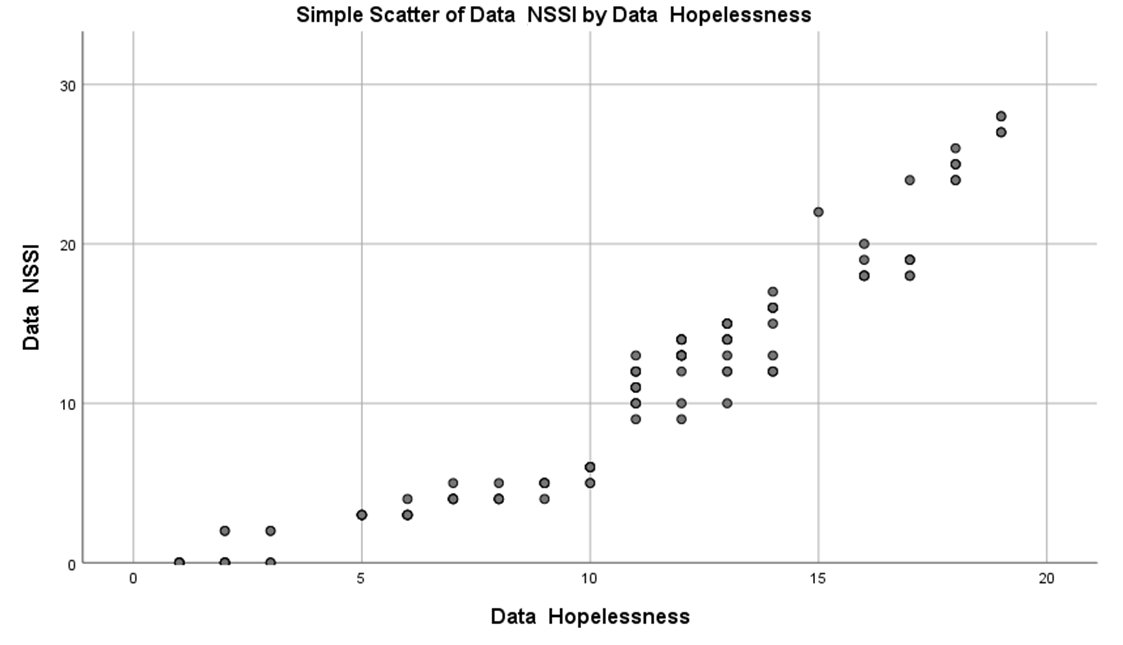
Health-Related Quality of Life, Sleep Disturbance, and Perceived Stress in Italian Adults Undergoing Dialysis: A Nationwide Descriptive Cross-Sectional Study
Ivan Rubbi 1†, Roberto Lupo 2†, Ritiana Marinelli 3, Federico Cucci 4*, Stefano Botti 5, Carmela
Triglia 6, Antonino Calabrò 7, Luana Conte 8,9‡, Elsa Vitale 10‡
- Department of Medical and Surgical Sciences, School of Nursing, University of Bologna, 40126 Bologna, Italy.
- Department of Surgery, ‘San Giuseppe da Copertino’ Hospital, Local Health Authority (ASL) of Lecce, 73100 Lecce, Italy.
- RSA “Oasi – Centro per la Terza Età”, Residential Socio‑Healthcare Facility, Via della Resistenza 105, 70013 Castellana Grotte, Bari, Italy.
- Città di Lecce Hospital, GVM Care & Research, 73100 Lecce, Italy.
- Hematology Unit, IRCCS Reggio Emilia Local Health Authority (Azienda USL), 42122 Reggio Emilia, Italy.
- Rizzoli Orthopedic Institute, Hospital of Argenta, Ferrara Local Health Authority, 44100 Ferrara, Italy.
- Department of Mental Health, Community Mental Health Center (CSM) of Biella, ASL BI, 13900 Biella, Italy.
- Laboratory of Advanced Data Analysis for Medicine (ADAM) at DReAM, University of Salento and Local Health Authority, "V. Fazzi" Hospital, 73100 Lecce, Italy.
- Department of Physics and Chemistry, University of Palermo, 90128 Palermo, Italy.
- Directorate of Health and Nursing Professions, Local Health Authority of Bari, 70100 Bari, Italy.
* Corresponding author: Federico Cucci, Città di Lecce Hospital, GVM Care & Research, 73100 Lecce, Italy. E-mail: fcucci@gvmnet.it
† These authors contributed equally to this work as first author.
‡ These authors contributed equally to this work as last author.
Cite this article
ABSTRACT
Background: Patients undergoing dialysis often experience reduced health-related quality of life, poor sleep quality, and increased perceived stress. These dimensions are closely interconnected and represent key aspects of holistic patient care. From a nursing perspective, their assessment is essential to support patient-centered interventions and improve clinical outcomes.
Aim: To evaluate health-related quality of life, sleep quality, and perceived stress in patients undergoing dialysis, and to explore differences across sociodemographic and clinical subgroups.
Methods: A cross-sectional study was conducted among adult patients aged 18 years or older undergoing dialysis. Data were collected using validated instruments, including the Short Form-36 Health Survey developed within the International Quality of Life Assessment Project, the Pittsburgh Sleep Quality Index, and the Perceived Stress Scale 10-item version. Descriptive statistics were computed, and inferential statistical analyses were performed to explore differences between groups and associations between variables. Comparisons between categorical variables were conducted using chi-square tests, while differences in continuous variables between groups were assessed using independent samples t-tests and analysis of variance. Correlations between variables were evaluated using Pearson correlation coefficients.
Results: A total of 148 patients were included. Overall, participants reported reduced quality of life, poor sleep quality, and moderate to high levels of perceived stress. Significant differences emerged across sociodemographic and clinical subgroups, particularly in relation to geographical area and selected clinical characteristics. Significant associations were also observed between quality-of-life domains, sleep quality, and perceived stress.
Conclusions: Patients undergoing dialysis experience multiple interrelated challenges affecting their well-being. From a nursing perspective, the systematic assessment of quality of life, sleep quality, and perceived stress represents a key component of comprehensive care. These findings support the role of nurses in identifying patient needs, guiding personalized care planning, and implementing targeted interventions aimed at improving overall patient outcomes.
Keywords: chronic kidney disease, dialysis, health-related quality of life, sleep quality, perceived stress, nursing.
INTRODUCTION
Chronic kidney disease (CKD) is defined by a persistent reduction in renal function, typically identified by a glomerular filtration rate below 60 mL/min/1.73 m² [1]. Affecting approximately 10% of the global population [2], CKD represents a major public health concern. The progressive increase in patients requiring renal replacement therapies, including dialysis, reflects an epidemiological context characterized by population aging and a high prevalence of cardiovascular and metabolic comorbidities [3]. Beyond its clinical burden, CKD profoundly influences daily functioning, psychosocial well-being, and healthcare organization.
Dialysis, although life-sustaining, imposes a complex and enduring impact on patients’ lives. Frequent treatment sessions, dietary and fluid restrictions, physical symptoms, and technological dependence significantly reshape daily routines and limit participation in work, social, and family roles. Health-related quality of life (QoL) in this context emerges as a multidimensional construct resulting from the interaction between physical health (Physical Component Summary, PCS), psychological-emotional status (Mental Component Summary, MCS), degree of autonomy, social relationships, and treatment-related constraints.
Psychological distress is increasingly recognized in individuals undergoing dialysis. Anxiety, depressive symptoms, and perceived stress are common and often underdiagnosed, despite their association with poorer treatment adherence, reduced quality of life, and adverse clinical outcomes [4]. Similarly, sleep disturbances—including insomnia, sleep apnea, restless legs syndrome, and excessive daytime sleepiness—are highly prevalent and have been linked to increased mortality risk, impaired daily functioning, and diminished well-being [5–8]. These dimensions frequently coexist and may interact, amplifying the subjective burden of chronic kidney failure. Within the Italian healthcare system, which is predominantly public and regionally organized, dialysis services are delivered across heterogeneous clinical contexts, including hospital-based units and home-based programs. Variability in service organization, availability of psychosocial support, and access to home dialysis modalities may influence patients lived experiences. While previous Italian studies have explored specific aspects such as depressive symptoms, stress, or the impact of educational interventions [9–13], recent nationwide data simultaneously examining health-related quality of life, sleep quality, and perceived stress in a heterogeneous dialysis population remain limited. Addressing these dimensions together may provide a more comprehensive understanding of the psychosocial burden associated with dialysis treatment and support the development of multidisciplinary care strategies tailored to the Italian context.
From a nursing perspective, the assessment of health-related quality of life, sleep quality, and perceived stress represents a fundamental component of holistic care in patients undergoing dialysis. Nurses play a central role in the continuous monitoring of these dimensions, as they are directly involved in patient education, symptom management, and the identification of psychosocial needs [14]. A comprehensive understanding of these aspects is essential to support individualized care planning and to improve patient outcomes in this population.
Primary objective
The primary objective of this study was to evaluate health-related quality of life, sleep quality, and perceived stress in patients undergoing dialysis.
Secondary objectives
The secondary objectives were to explore differences in these outcomes across sociodemographic and clinical subgroups and to examine the associations between quality of life, sleep quality, and perceived stress.
MATERIALS AND METHODS
Study design
This was a descriptive cross-sectional study with exploratory analytical components, conducted between January and October 2025 using an anonymous electronic questionnaire.
Questionnaire tools
Data were collected using a structured, self-administered questionnaire consisting of five sections.
- Sociodemographic variables
The first section included direct sociodemographic variables: sex, age (recorded in years and categorized into predefined age groups), marital status, educational level (highest qualification attained), and employment status.
Clinical characteristics included the presence of comorbidities and dialysis-related variables, such as the duration of dialysis treatment. Additional clinical information relevant to patients’ health status, including conditions associated with chronic kidney disease and treatment-related aspects, was also considered. Where available, information related to symptoms commonly reported by patients undergoing dialysis and potential behavioral adaptations to chronic illness was considered.
These variables were collected to characterize the sample and to allow subsequent stratified analyses (Table 1).
- Clinical characteristics, risk factors and lifestyle
The second section comprised structured items addressing:
- main known medical condition before dialysis initiation (single-response item);
- prior awareness of dialysis (defined as patients’ prior awareness or familiarity with dialysis treatment before its initiation, derived from information received through healthcare professionals, previous clinical experiences, or informal sources);
- symptoms and signs before diagnosis (multiple-response item);
- pre-diagnosis lifestyle habits (smoking, alcohol use, illicit drug use, salt intake, weight loss);
- behavioral changes and symptoms during or after dialysis initiation (multiple-response items).
For symptom-related questions, multiple answers were allowed; therefore, percentages may exceed 100% (Tables 2 and 3).
Pre-existing medical conditions were recorded as the main perceived disease rather than as a full multimorbidity profile.
- Health-related quality of life (SF-36)
Health-related quality of life was assessed using the official Italian version of the Short Form-36 Health Survey (SF-36) (IQOLA project)[15].
The instrument consists of 36 items grouped into eight domains:
- Physical Functioning (PF) – 10 items
- Role Limitations due to Physical Health (Role Physical, RP) – 4 items
- Role Limitations due to Emotional Problems (Role Emotional, RE) – 3 items
- Vitality (VT) – 4 items
- Mental Health (MH) – 5 items
- Social Functioning (SF) – 2 items
- Bodily Pain (BP) – 2 items
- General Health (GH) – 5 items
Scores are transformed to a 0–100 scale, with higher scores indicating better perceived health status. Physical and Mental Component Summary measures (PCS and MCS) were also derived[16].
- Sleep quality (PSQI)
Sleep quality was assessed using the Pittsburgh Sleep Quality Index (PSQI), developed by Buysse et al. The PSQI is a validated multidimensional instrument composed of 19 self-rated items generating seven components: subjective sleep quality, sleep latency, sleep duration, habitual sleep efficiency, sleep disturbances, use of sleeping medication, and daytime dysfunction.
The global score ranges from 0 to 21, with higher scores indicating poorer sleep quality. For analytical purposes, scores were categorized into three classes: good sleep quality (0–5), moderate impairment (6–10), and severe impairment (>10) [17].
- Perceived stress (PSS-10)
Perceived stress was measured using the 10-item version of the Perceived Stress Scale (PSS-10), developed by Cohen et al. This instrument evaluates the degree to which individuals perceive their life situations as stressful.
Items are rated on a five-point Likert scale (0 = never to 4 = very often), with four positively worded items reverse scored. Total scores range from 0 to 40, with higher scores indicating greater perceived stress. Scores were categorized as low (0–13), moderate (14–26), and high (27–40)[18].
Setting
Data were collected through an anonymous electronic questionnaire (Microsoft Forms) administered exclusively online between January and October 2025. The survey link was disseminated via major social networks (Facebook®, Instagram®, Reddit®) and through Italian provincial dialysis associations and patient support groups, allowing nationwide dissemination across Northern, Central, and Southern Italy and the Islands.
Participants completed the questionnaire independently using personal devices (smartphones, tablets, or computers), ensuring anonymity and voluntary participation.
Although data collection occurred in a virtual environment, respondents were individuals receiving dialysis treatment within established clinical settings in Italy, including hospital-based dialysis units, nephrology departments within the Italian National Health System, accredited private dialysis centers, and structured home-based dialysis programs (peritoneal dialysis and home hemodialysis). Therefore, the research setting was digital, whereas the clinical context of reference consisted of organized dialysis services within the Italian healthcare system.
The associations involved in disseminating the survey included regional branches of ANED and other Italian dialysis and transplant patient networks.
Participants
A non-probability convenience sampling strategy was adopted. Participants were recruited on a voluntary basis through online dissemination of the survey link via social networks (Facebook®, Instagram®, Reddit®) and provincial dialysis associations and patient support groups.
No formal a priori sample size calculation was performed. Given the exploratory and cross-sectional nature of the study, the aim was to obtain a nationwide snapshot of adults undergoing dialysis treatment in Italy rather than to test predefined hypotheses or estimate population parameters with predetermined statistical power. Eligible participants were adults aged 18 years or older, undergoing dialysis treatment and residing in Italy. Inclusion criteria were current dialysis treatment, residence in Italy, ability to understand the study information, and provision of electronic informed consent. Exclusion criteria were age below 18 years, failure to provide informed consent, and incomplete questionnaire completion. Participation was voluntary and unpaid. Participant recruitment, eligibility assessment, and inclusion in the final sample are summarized in a flow diagram (Figure 1).
Figure 1. Flow diagram of participant recruitment and inclusion.
Due to the open-access nature of the online survey and the anonymous recruitment process, it was not possible to determine the exact number of individuals who accessed the questionnaire or were excluded prior to completion.
The figure illustrates the online dissemination of the questionnaire, the eligibility assessment based on predefined inclusion criteria, and the final sample included in the analysis.
Statistical analysis
The dataset was created using Microsoft Excel (Microsoft Office®) and subsequently imported into Jamovi software (version 2.3.18) for statistical analysis. Descriptive statistics were performed. Continuous variables were expressed as mean ± standard deviation (SD), whereas categorical variables were reported as absolute frequencies and percentages. The internal consistency of the psychometric instruments (SF-36, PSQI, and PSS-10) was assessed using Cronbach’s alpha coefficient to evaluate their reliability within the study sample. The normality of continuous variables was assessed using the Shapiro–Wilk test and by visual inspection of histograms and Q–Q plots. Based on these assessments, parametric tests (independent samples t-test, one-way ANOVA, and Pearson’s correlation) were applied when normality assumptions were considered acceptable. Independent samples t-tests were used to compare mean SF-36 domain scores between two groups (e.g., sex, geographical area North/Central vs South/Islands, dialysis modality, number of weekly sessions). One-way analysis of variance (ANOVA) was applied to compare mean SF-36 domain scores across variables with more than two categories, specifically age groups and symptom categories reported during or after dialysis treatment. Chi-square (χ²) tests were used to examine associations between categorical variables, including PSQI and PSS-10 categories across sociodemographic and clinical groups. Correlations between continuous variables (PSQI total score, PSS-10 total score, and SF-36 domain scores) were analyzed using Pearson’s correlation coefficient (r). For analytical purposes, the geographical variable was dichotomized into two macro-areas (North/Central vs South/Islands). This grouping was adopted to ensure adequate sample size within each category and to improve the statistical stability of comparisons, given the relatively small sample size and the uneven distribution of participants across regions. All tests were two-tailed, and statistical significance was set at p-value < 0.05.
RISULTS
Sample characteristics
Although some deviations from normality were observed, parametric tests were considered appropriate given the sample size and the robustness of these methods.
Sociodemographic and clinical characteristics of our sample were reported in Table 1.
Socio-demographic characteristics n (%) Geographical area North
Central
South and Islands
51(34.5)
17(11.5)
80(54.1)
Gender Female
Male
75(50.7)
73(49.3)
Age 21-30 years
31-40 years
41-50 years
51-60 years
61-70 years
Over 71 years
11(7.4)
21(14.2)
36(24.3)
45(30.4)
23(15.5)
12(8.1)
Civil status Married
Unmarried
Divorced/Separated
84(56.8)
41(27.7)
23(15.5)
Educational level No qualifications
Middle school diploma
High school diploma
Bachelor's degree
Postgraduate education
4(2.7)
33(22.3)
64(43.2)
36(24.3)
11(7.4)
Work employment Housewife/househusband
Public employee
Freelancer
Factory worker
Retired
Student
Other occupation
16(10.8)
17(11.5)
16(10.8)
20(13.5)
41(27.7)
6(4.1)
32(21.6)
How old were you when you started dialysis? 43.9±14.7 Actually you: await a kidney transplant
already undergo a kidney transplant
undergo Automated Peritoneal Dialysis (APD)
undergo Continuous Ambulatory Peritoneal Dialysis (CAPD)
undergo home hemodialysis
undergo assisted home hemodialysis
undergo in-center hemodialysis
5(3.4)
6(4.0)
18(12.1)
10(6.8)
5(3.4)
4(2.7)
100(67.6)
Presence of symptoms/signs during or after dialysis Yes
No
81(54.7)
67(45.3)
How often do you undergo dialysis treatment? Every day
5 times/week
4 times/week
3 times/week
2 times/week
1 time/week
22(14.9)
4(2.7)
11(7.4)
92(62.2)
11(7.4)
8(5.4)
Table 1. Sociodemographic and clinical characteristics of the sample (n = 148)
A total of 148 participants were included in the analysis; of these, 50.7% were female (n=75). The most represented age group was 51–60 years, accounting for 30.4% of the sample and 45 participants, followed by 41–50 years with 24.3% and 36 participants, and 61–70 years with 15.5% and 23 participants. Most respondents were married, representing 56.8% and 84 individuals, whereas 27.7%, corresponding to 41 participants, were unmarried and 15.5%, corresponding to 23 participants, were divorced or separated.
Regarding educational level, the largest proportion of participants completed lower secondary school, accounting for 43.2% and 64 individuals, followed by upper secondary school with 24.3% and 36 individuals. A minority held a postgraduate degree, representing 7.4% and 11 participants. Retirement was the most common occupational status, accounting for 27.7% and 41 individuals, followed by factory work with 13.5% and 20 individuals, other occupations with 21.6% and 32 individuals, public employment with 11.5% and 17 individuals, and self-employment with 10.8% and 16 individuals. Only 4.1% of the sample, corresponding to 6 participants, were students.
The mean age at dialysis initiation was 43.9 years with a standard deviation of 14.7 years. At the time of survey completion, 67.6% of participants, corresponding to 100 individuals, were receiving in-centre hemodialysis.
The remaining participants were distributed across automated peritoneal dialysis, accounting for 12.1% and 18 individuals; continuous ambulatory peritoneal dialysis, 6.8% and 10 individuals; home hemodialysis, 3.4% and 5 individuals; and assisted home hemodialysis, 2.7% and 4 individuals. A small proportion reported being on the transplant waiting list, representing 3.4% and 5 individuals, while 4.0% and 6 individuals had already undergone kidney transplantation.
Most patients reported three dialysis sessions per week, accounting for 62.2% and 92 individuals. Smaller proportions underwent four sessions per week, representing 7.4% and 11 individuals; five sessions per week, 2.7% and 4 individuals; daily dialysis, 14.9% and 22 individuals; or lower frequencies of one to two sessions per week, representing 12.8% and 19 individuals.
Overall, 54.7% of the sample, corresponding to 81 participants, reported at least one symptom or sign during or after the dialysis session.
Medical history and lifestyle before dialysis initiation
More than half of the sample, representing 54.0% and corresponding to 80 participants, reported a known diagnosis of kidney failure before starting dialysis (Table 2). Hypertension was indicated as the main pre-existing medical condition by 18.9% of participants, corresponding to 28 individuals. Smaller proportions reported diabetes mellitus, accounting for 6.8% and 10 individuals, or no other medical condition, representing 11.5% and 17 individuals, indicating the absence of comorbidities beyond chronic kidney disease. Most participants, corresponding to 68.2% and 101 individuals, stated that they had heard about dialysis before initiating treatment, suggesting a certain degree of prior awareness of the therapeutic pathway. The most frequently reported symptoms before diagnosis were marked fatigue, accounting for 23.6% and 35 individuals, and swelling of the feet and ankles, reported by 22.9% and 34 individuals. Other symptoms, including nausea, vomiting, reduced urine output, itching, diffuse cramp-like pain, insomnia, or psychological complaints, were reported less frequently. A non-negligible proportion of participants reported no specific symptoms or only vague complaints.
Regarding lifestyle behaviors, 37.8% of participants, corresponding to 56 individuals, had smoked before diagnosis; 28.4%, corresponding to 42 individuals, reported alcohol consumption; and 12.2%, corresponding to 18 individuals, reported illicit drug use. Most participants did not experience marked weight loss prior to dialysis, accounting for 72.3% and 107 individuals, and 70.3%, corresponding to 104 individuals, did not habitually consume high-salt foods. Nevertheless, 85.1% of the sample, corresponding to 126 participants, stated that they had never received structured dietary counselling after diagnosis.
n (%) Main known medical condition before starting dialysis: Diabetes mellitus
Kidney failure
High blood pressure
No other medical condition
Other medical conditions
10(6.8)
80(54.0)
28(18.9)
17(11.5)
13(8.8)
Before dialysis, had you ever heard of dialysis? Yes
No
101(68.2)
47(31.8)
What were symptoms and signs before the diagnosis?
FatigueSwelling in feet and anklesAnxietyHeart palpitationsRenal colicMental confusionInvoluntary muscle contractionsRoutine checkups because my father had polycystic kidney disease
Depression
Diarrhea
Diffuse cramp-like pain
Postpartum hemorrhage
I was young when I found out. I suffered from urinary tract infections
Urinalysis
Bladder inflammation
Pregnancy
Insomnia
Red spots on lower limbs
Congenital disease
Loss of appetite
Nausea and vomiting
No symptoms
None
Vision problems
Heart problems
Protein in urine
Itching
Reduced urine output
Cyst rupture and severe bleeding, causing skyrocketing values
I have been suffering from CRF for a year, I already knew
Missing
35(23.6)
34(22.9)
1(0.7)
1(0.7)
1(0.7)
1(0.7)
4(2.7)
1(0.7)
1(0.7)
1(0.7)
3(2.0)
1(0.7)
1(0.7)
1(0.7)
1(0.7)
1(0.7)
5(3.4)
1(0.7)
1(0.7)
5(3.4)
19(12.8)
2(1.4)
3(2.0)
1(0.7)
1(0.7)
1(0.7)
1(0.7)
13(8.8)
1(0.7)
3(2.0)
3(2.0)
Had you ever smoked before your diagnosis? Yes
No
56(37.8)
92(62.2)
Had you ever consumed alcohol prior to your diagnosis? Yes
No
42(28.4)
106(71.6)
Had you used drugs before your diagnosis? Yes
No
18(12.2)
130(87.8)
Had you lost weight before undergoing dialysis? Yes
No
41(27.7)
107(72.3)
Did you consume foods high in salt before the onset of the disease? Yes
No
44(29.7)
104(70.3)
After your diagnosis, did you ever receive any dietary advice for your health problem? They told me to eat less salt, no bouillon cubes, canned
Foods, or cured meats
Nephrologist, and then I went to a nutritionist
No
Yes
1(0.7)
1(0.7)
7(4.7)
13(8.8)
126(85.1)
Table 2. Medical history and lifestyle before dialysis initiation.
Note to Table 2
Participants could report more than one symptom/sign; therefore, the total number of responses exceeds the sample size and percentages do not sum to 100%. Participants were asked to report the main known medical condition before the onset of chronic kidney disease (single-response item); therefore, these data do not capture the full burden of multimorbidity. The modality: “No other medical condition” indicates the absence of comorbidities other than chronic kidney disease.
Lifestyle, symptoms, and perceived health after dialysis initiation
Following diagnosis and dialysis initiation, clear changes in health-risk behaviors were observed (Table 3). A total of 81.8% of participants, corresponding to 121 individuals, reported no longer smoking; 87.8%, corresponding to 130 individuals, no longer consumed alcohol; and 90.5%, corresponding to 134 individuals, no longer used illicit drugs, suggesting a shift towards healthier lifestyles. With respect to body weight, 59.5% of the sample, corresponding to 88 participants, reported weight loss since starting dialysis, in many cases exceeding 6 kilograms and, for a relevant minority, more than 20 kilograms. Most participants, representing 83.8% and 124 individuals, stated that they no longer consumed high-salt foods, in line with nutritional recommendations for chronic kidney disease. During or after dialysis sessions, 54.7% of participants, corresponding to 81 individuals, experienced at least one treatment-related symptom. The most frequently reported complaints were swelling of the feet and ankles, accounting for 12.8% and 19 individuals; hypotension or blood pressure drop, 7.4% and 11 individuals; reduced urine output, 6.0% and 9 individuals; and headache, 6.8% and 10 individuals.
n (%) Did you continue smoking after your diagnosis? Yes
No
27(18.2)
121(81.8)
Did you continue to drink alcohol after your diagnosis? Yes
No
18(12.2)
130(87.8)
Did you continue to take drugs after your diagnosis? Yes
No
14(9.5)
134(90.5)
Indicate weight loss since diagnosis (for those who answered NO to the previous question, select the answer NONE)
None
0-5 kg
6-10 kg
11-20 kg
Over 21 kg
60(40.5)
18(12.2)
48(32.4)
8(5.4)
14(9.5)
Have you lost weight since starting dialysis? Yes
No
88(59.5)
60(40.5)
After your diagnosis, did you continue to eat foods high in salt? Yes
No
24(16.2)
124(83.8)
What symptoms and signs did you experience during or after dialysis treatment? Swelling in feet and ankles
Anxiety
Asthenia
Drop in blood pressure
Mental confusion
Involuntary muscle contractions
Diffuse cramp-like pain
Insomnia
Hypotension
Hypotension, fatigue
Low back pain
But in the head
Loss of appetite
Nausea and vomiting
None
Low blood pressure
Reduced urine output
Restless legs syndrome
Constipation
Fatigue and weakness
No symptoms
19(12.8)
1(0.7)
1(0.7)
5(3.4)
3(2.0)
2(1.4)
2(1.4)
1(0.7)
1(0.7)
1(0.7)
1(0.7)
10(6.8)
7(4.7)
1(0.7)
2(1.4)
11(7.4)
9(6.0)
1(0.7)
2(1.4)
1(0.7)
67(45.2)
Perceived health status Very good
Good
Bad
Very bad
17(11.5)
71(47.9)
50(33.8)
10(6.8)
Table 3. Lifestyle, symptoms, and perceived health status after dialysis initiation.
Other symptoms, including asthenia, diffuse cramps, gastrointestinal disturbances, restless legs syndrome, sleep problems, or psychological symptoms, were reported less frequently. Despite this symptom burden, 58.9% of participants, corresponding to 86 individuals, rated their health status as very good or good, whereas 41.0%, corresponding to 60 individuals, perceived their health as bad or very bad.
Psychometric properties of the instruments and score distribution
Table 4 summarizes the internal consistency of the study instruments in the present sample and the distribution of their scores, reported to document measurement reliability and to describe the clinical profile of the study population.
Scale n % Cronbach’s alpha (a) PSQI (Pittsburgh Sleep Quality Index) 0.724 Good sleep quality -- -- Moderately impaired sleep quality 76 51.4 Severely impaired sleep quality 72 48.6 PSS-10 (10-item Perceived Stress Scale) 0.728 Low 15 10.1 Moderate 106 71.6 High 27 18.2 SF-36 (Short Form-36 Health Survey) M SD Cronbach’s alpha (a) Physical Functioning (PF) 48.8 29.0 0.911 Role limitations due to physical health, (RP) 30.6 38.0 0.845 Role limitations due to emotional problems (RE) 36.5 41.4 0.822 Vitality (VT) 42.3 20.5 0.684 Mental Health (MH) 49.8 22.0 0.766 Social Functioning (SF) 52.4 23.0 0.716 Bodily Pain (BP) 62.1 25.2 0.878 General Health (GH) 33.5 20.5 0.648 Total 44.1 19.5 0.932 Table 4. Psychometric properties and score distribution of the instruments (PSQI, PSS-10, SF-36).
The Pittsburgh Sleep Quality Index demonstrated good internal consistency, with Cronbach’s alpha coefficient of 0.724. According to the predefined cut-offs, none of the participants fell within the good sleep quality category. Moderate sleep impairment was observed in 51.4% of the sample, corresponding to 76 individuals, while 48.6%, corresponding to 72 individuals, presented severe impairment. These findings indicate that clinically relevant sleep disturbances were highly prevalent within the sample.
The Perceived Stress Scale 10-item version showed satisfactory internal consistency, with a Cronbach’s alpha of 0.728. Low stress levels were reported by 10.1% of participants, corresponding to 15 individuals. The majority of the sample presented moderate stress, accounting for 71.6% and 106 individuals, whereas 18.2%, corresponding to 27 individuals, reported high perceived stress.
Regarding the SF-36, internal consistency coefficients across domains ranged from 0.648 for General Health to 0.911 for Physical Functioning, indicating overall acceptable to excellent reliability. The total SF-36 score showed excellent internal consistency, with a Cronbach’s alpha of 0.932.
The mean overall SF-36 score was 44.1 with a standard deviation of 19.5, suggesting a moderate level of health-related quality of life. Domain-level analysis revealed the lowest scores in Role Physical, with a mean of 30.6 and a standard deviation of 38.0, Role Emotional, with a mean of 36.5 and a standard deviation of 41.4, and General Health, with a mean of 33.5 and a standard deviation of 20.5. These findings indicate substantial limitations in both physical and emotional role functioning and in overall health perception. Conversely, Bodily Pain showed relatively higher scores, with a mean of 62.1 and a standard deviation of 25.2, and Social Functioning a mean of 52.4 with a standard deviation of 23.0, suggesting comparatively better preservation of these domains. Vitality and Mental Health displayed intermediate values, with means of 42.3 and 49.8, respectively, indicating moderate impairment in energy levels andmental health.
Health-related quality of life, sleep quality, and perceived stress across sociodemographic and clinical subgroups
Differences in SF-36 domain scores across sociodemographic and clinical variables are presented in Table 5.
SF – 36 (Mean±SD) PF RP RE VT MH SF BP GH Geographic area North and Central 54.4±31.3 39.0±40.4 44.6±41.0 42.6±21.4 50.8±24.0 54.6±23.4 63.5±24.5 36.2±20.8 South and Islands 44.1±26.2 23.4±34.5 29.6±40.7 42.1±19.9 48.9±20.3 50.6±22.8 61.0±25.9 31.3±20.2 p-value
t = 2.19; p = <0.03* t = 2.52; p = 0.01*
t = 2.23; p = 0.02* t = 0.13; p = 0.89 t = 0.51; p = 0.61 t = 1.04; p = 0.29 t = 0.60; p = 0.54 t = 1.44; p = 0.15 Age group 21-30 35.0±31.7 22.7±32.5 18.2±31.1 42.7±24.4 38.9±27.0 36.4±23.4 59.5±33.1 34.1±22.1 31-40 62.1±30.2 45.2±41.5 57.1±38.2 48.3±16.1 57.5±17.0 57.7±20.3 69.3±22.3 39.1±15.6 41-50 51.4±29.6 25.0±29.9 35.2±39.0 36.7±22.5 45.7±24.1 51.0±22.6 60.3±24.3 31.9±19.7 51-60 47.9±24.9 26.7±38.2 36.3±44.3 43.4±19.7 49.0±19.8 51.1±24.4 55.3±25.6 29.7±21.0 61-70 43.7±30.1 35.0±43.4 31.4±42.0 43.0±20.2 53.7±22.4 57.5±21.5 69.3±23.1 37.0±22.5 p-value
F = 2.15; p = 0.07 F = 1.34; p = 0.25
F = 2.04; p = 0.09 F = 1.19; p = 0.32 F = 1.98; p = 0.10 F = 2.18; p = 0.07 F = 2.08; p = 0.08 F = 1.26; p = 0.29 Gender Female 55.5±28.3 30.3±36.8 35.1±39.9 41.3±21.7 49.3±23.1 51.3±23.5 60.7±24.7 31.7±20.4 Male 42.0±28.3 30.8±39.4 37.9±43.1 43.4±19.2 50.2±21.1 53.6±22.7 63.6±25.9 35.5±20.7 p-value
t = 2.89; p = <0.01** t = -0.07; p = 0.93
t = -0.40; p = 0.68 t = -0.60; p = 0.52
t = -0.23; p = 0.81 t = -0.59; p = 0.55 t = -0.68; p = 0.49 t = -1.13; p = 0.26 Dialysis modality (‡) Peritoneal Dialysis 57.3±30.2 34.8±38.7 38.1±37.1 45.2±17.3 55.6±19.8 50.4±23.4 64.1±23.9 35.4±17.9 Hemodialysis 45.0±27.9 28.4±36.9 33.6±41.7 40.2±21.0 47.3±22.7 51.4±22.8 60.8±25.1 32.3±21.3 p-value
t = 2.04; p = <0.04* t = 0.80; p = 0.42 t = 0.51; p = 0.60 t = 1.14; p = 0.25 t = 1.76; p = 0.08 t = -0.19; p = 0.84 t = 0.62; p = 0.53 t = 0.69; p = 0.48 Dialysis sessions per week ≤3 sessions - week 47.6±28.4 31.1±38.3 37.5±43.4 41.5±21.0 48.1±22.6 53.7±22.3 63.4±23.9 34.3±21.0 3 sessions-week 52.6±30.8 29.1±37.5 33.3±35.1 44.9±19.1 54.6±19.6 48.6±25.1 58.4±29.0 31.4±19.3 p-value
t = -0.90; p = 0.36
t = 0.28; p = 0.78 t = 0.53; p = 0.59
t = -0.86; p = 0.38
t = -1.54; p = 0.12 t = 1.16; p = 0.24 t = 1.04; p = 0.29 t = 0.75; p = 0.45 Symptoms None 48.8±28.4 37.5±47.9 41.7±50.0 57.5±28.4 74.0±16.5 65.6±23.7 83.1±33.8 20.0±17.8 Gastrointestinal symptoms 46.8±29.3 33.8±37.4 40.0±39.9 51.8±16.7 50.2±20.3 55.6±23.1 62.1±27.9 42.8±19.8 Hypotension-hemodynamic instability 49.5±37.8 40.9±39.2 54.5±47.8 48.2±18.2 57.1±22.3 59.1±33.1 63.0±29.9 32.7±21.5 Musculoskeletal pain 52.5±37.2 28.1±41.1 37.5±45.2 54.4±17.4 58.5±18.0 56.3±25.0 59.4±20.0 35.0±21.9 Fatigue and weakness 47.4±26.8 23.4±34.7 29.4±40.0 35.5±20.5 44.1±22.0 48.5±21.2 58.6±23.5 28.8±19.7 Psychological 46.1±30.4 39.5±40.2 36.8±38.3 42.6±17.8 52.0±19.4 46.7±18.6 64.6±26.9 40.0±19.9 Other 65.0±28.7 50.0±48.6 60.0±43.9 52.5±17.4 63.2±22.1 71.3±21.3 77.3±21.1 44.0±19.3 p-value
F = 0.60; p = 0.72
F = 1.26; p = 0.27 F = 1.31; p = 0.25 F = 3.89; p <0.01**
F = 2.93; p = 0.01* F = 2.55; p = 0.04* F = 1.37; p = 0.22 F = 2.53; p = 0.02* Table 5. Differences in SF-36 domain scores across sociodemographic and clinical subgroups.
Note to Table 5
SF-36 = Short Form-36 Health Survey; PF = Physical functioning; RP = Role limitations due to physical health; BP = Bodily pain; GH = General health; VT = Vitality; SF = Social functioning; RE = Role limitations due to emotional problems; MH = Mental health;
Independent samples t-tests were used for dichotomous variables, whereas one-way ANOVA was applied to variables with more than two categories, namely age groups and symptom categories.
- Geographical area. Patients living in Northern and Central Italy displayed significantly higher mean scores than those from Southern Italy and the Islands for physical functioning, with a mean of 54.4 and a standard deviation of 31.3 compared with a mean of 44.1 and a standard deviation of 26.2, with a p-value lower than 0.03. Significant differences were also observed for role limitations due to physical health, with mean values of 39.0 and 23.4 and standard deviations of 40.4 and 34.5 respectively, with a p-value of 0.01, and for role limitations due to emotional problems, with mean values of 44.6 and 29.6 and standard deviations of 41.0 and 40.7 respectively, with a p-value of 0.02.
Sleep quality also differed significantly across geographical areas. Participants from Northern and Central regions more frequently showed moderate impairment and less frequently severe impairment compared with those from Southern and Island regions, with a p-value of 0.04, suggesting poorer sleep quality in the latter group. No statistically significant differences emerged for perceived stress levels.
- Age classes. No statistically significant differences in SF-36 domains, PSQI categories, or PSS-10 levels were observed across age groups, as all p-values were greater than 0.05. Nevertheless, some variation in mean scores was observed at a descriptive level.
- Women reported significantly better physical functioning than men, with a mean of 55.5 and a standard deviation of 28.3 compared with a mean of 42.0 and a standard deviation of 28.3, with a p-value lower than 0.01. No significant differences were observed for the remaining SF-36 domains. Sleep quality, however, was significantly worse among women, as the prevalence of severe sleep impairment was higher in females than in males, with a p-value lower than 0.01. Perceived stress levels did not differ significantly by gender.
- Dialysis modality. Patients undergoing peritoneal dialysis showed significantly higher physical functioning scores than those undergoing hemodialysis, with mean values of 57.3 and 45.0 and standard deviations of 30.2 and 27.9 respectively, with a p-value lower than 0.04. No statistically significant differences were observed for the other SF-36 domains, PSQI categories, or PSS-10 levels.
- Number of sessions per week. No significant differences were found in health-related quality of life, sleep quality, or perceived stress between patients undergoing three or fewer sessions per week and those undergoing more than three sessions per week, as all p-values were greater than 0.05.
- Presence and type of symptoms. The presence and type of symptoms during or after dialysis were significantly associated with several SF-36 domains. Significant associations were observed for vitality, with a p-value lower than 0.01; emotional well-being, with a p-value of 0.01; social functioning, with a p-value of 0.04; and general health, with a p-value of 0.02. Patients reporting fatigue and weakness, psychological symptoms, or more complex symptom clusters tended to show lower scores in these domains compared with asymptomatic patients or those reporting predominantly gastrointestinal symptoms.
The distribution of sleep quality (PSQI categories) and perceived stress (PSS-10 levels) across the same subgroups is reported in Table 6. Table 6 shows that sleep quality differed significantly according to geographical area, gender, and symptom burden. Participants living in Southern Italy and the Islands, women, and patients reporting fatigue, weakness, or psychological symptoms were more likely to experience severe sleep impairment. By contrast, perceived stress levels did not differ significantly across most sociodemographic and clinical subgroups, although patients with greater symptom burden tended to report higher stress levels. In particular, fatigue and weakness were more frequently associated with high perceived stress.
PSQI (Sleep quality) PSS-10 (Stress level) Moderately Severely Low Moderate High n (%) n (%) Geographical area North and Central Italy 41(53.9) 27(37.5) 11(73.3) 44(41.5) 13(48.1) South and Islands 35(46.1) 45(62.5) 4(26.7) 62(58.5) 14(51.9) c² = 4.03; p-value = 0.04* c² = 5.42; p-value = 0.66 Age group 21-30 3(3.9) 8(11.1) 1(6.7) 7(6.6) 3(11.1) 31-40 12(15.8) 9(12.5) 4(26.7) 12(11.3) 5(18.8) 41-50 21(27.6) 15(20.8) 3(20.0) 26(24.5) 7(25.9) 51-60 25(32.9) 20(27.8) 2(13.3) 34(32.1) 9(33.3) 61-70 15(19.7) 20(27.8) 5(33.3) 27(25.5) 3(11.1) c² = 4.87; p-value = 0.31 c² = 7.51; p-value = 0.48 Gender Female 28(36.8) 47(65.3) 8(53.3) 51(48.1) 16(59.3) Male 48(63.2) 25(34.7) 7(46.7) 55(51.9) 11(40.7) c² = 12.0; p-value = <0.01** c² = 1.12; p-value = 0.57 Dialysis modality (‡) Peritoneal Dialysis 14(19.7) 14(21.2) 5(35.7) 19(19.4) 4(16.0) Hemodialysis 57(80.3) 52(78.8) 9(64.3) 79(80.6) 21(84.0) c² = 0.04; p-value = 0.82 c² = 2.38; p-value = 0.30 Dialysis sessions per week ≤ 3 sessions - week 56(73.7) 55(76.4) 8(53.3) 83(78.3) 20(74.1) 3 sessions - week 20(26.3) 17(23.6) 7(46.7) 23(21.7) 7(25.9) c² = 0.14; p-value = 0.70 c² = 4.38; p-value = 0.11 Symptoms None 4(5.3) -- 2(13.3) 1(0.9) 1(3.7) Gastrointestinal symptoms 12(15.8) 8(11.1) 2(13.3) 15(14.2) 3(11.1) Hypotension - hemodynamicinstability 8(10.5) 3(4.2) 2(13.3) 8(7.5) 1(3.7) Musculoskeletalpain 1(1.3) 7(9.7) -- 8(7.5) -- Fatigue and weakness 37(48.7) 39(54.2) 7(46.7) 50(47.2) 19(70.4) Psychological 7(9.2) 12(16.7) -- 16(15.1) 3(11.1) Other 7(9.2) 3(4.2) 2(13.3) 8(7.5) -- c² = 14.4; p-value = 0.02* c² = 19.7; p-value = 0.07 Table 6. Distribution of sleep quality (PSQI) and perceived stress (PSS-10) across sociodemographic and clinical subgroups.
PSQI categories also differed significantly across symptom groups, with a p-value of 0.02, indicating that more symptomatic patients were more likely to experience severe sleep impairment.
The distribution of PSS-10 levels showed a near-significant trend, with a p-value of 0.07, suggesting a possible association between symptom burden and perceived stress.
Correlations between sleep quality, perceived stress, and quality of life
Table 7 presents the correlations between sleep quality measured through the Pittsburgh Sleep Quality Index, perceived stress assessed by the Perceived Stress Scale 10-item version, and selected SF-36 domains. A positive correlation emerged between PSQI and PSS-10 scores, with r equal to 0.199 and a p-value lower than 0.05. This finding indicates that poorer sleep quality, reflected by higher PSQI scores, was associated with higher levels of perceived stress. PSQI scores showed significant negative correlations with several SF-36 domains. A negative association was observed with vitality, with r equal to −0.178 and a p-value lower than 0.05, with social functioning, with r equal to −0.273 and a p-value lower than 0.05, and with bodily pain, with r equal to −0.256 and a p-value lower than 0.05. Overall, worse sleep quality was associated with lower energy levels, reduced social functioning, and a greater impact of pain. Similarly, PSS-10 scores were negatively correlated with several domains of health-related quality of life. Significant associations were found with physical functioning, with r equal to −0.376 and a p-value lower than 0.01, with role limitations due to physical health, with r equal to −0.294 and a p-value lower than 0.01, with role limitations due to emotional problems, with r equal to −0.433 and a p-value lower than 0.01, and with emotional well-being, where one of the strongest correlations was detected, with r equal to −0.676 and a p-value lower than 0.01. Additional negative correlations were found with vitality, with r equal to −0.673 and a p-value lower than 0.01, with social functioning, with r equal to −0.480 and a p-value lower than 0.01, with bodily pain, with r equal to −0.377 and a p-value lower than 0.01, and with general health, with r equal to −0.545 and a p-value lower than 0.01. These findings indicate that higher perceived stress was associated with poorer overall health perception, greater pain-related interference, reduced social participation, and broader impairments across both physical and psychological domains. Taken together, these results highlight a strong interplay between sleep quality, perceived stress, and health-related quality of life.
PSQI PSS-10 r p-value r p-value PSQI -- -- 0.199* < 0.05 SF-36 = Short Form-36 Health Survey, SF-36 Physical Functioning (PF) -0.030 0.71 -0.376* < 0.01 SF-36 Role limitations due to physical health (RP) -0.090 0.27 -0.294* < 0.01 SF-36 Role limitations due to emotional problems (RE) -0.151 0.06 -0.433* < 0.01 SF-36 Vitality (VT) -0.178* < 0.05 -0.673* < 0.01 SF-36 Mental health (MH) -0.100 0.22 -0.676* < 0.01 SF-36 Social functioning (SF) -0.273* < 0.05 -0.480* < 0.01 SF-36 Bodily Pain (BP) -0.256* < 0.05 -0.377* < 0.01 SF-36 General Health (GH) -0.061 0.46 -0.545* < 0.01 * = significant test, r = Pearson correlation coefficient Table 7. Pearson correlation analysis between sleep quality (PSQI), perceived stress (PSS-10), and SF-36 domains.
DISCUSSION
Dialysis is a life-sustaining therapy, but it entails a substantial and long-lasting burden on the everyday lives of people with chronic kidney disease. The findings of this study confirm that the dialysis experience simultaneously involves physical, psychological and social dimensions, and that the clinical management of end-stage renal disease cannot be reduced to the control of laboratory parameters alone [9,19,20].
This multidimensional burden has been widely documented in previous studies, which describe dialysis as a condition affecting physical, psychological, and social domains simultaneously, with significant implications for patients’ daily functioning and well-being [21,22].
The absence of data on dialysis vintage and caregiving support may have limited the interpretation of some findings, as these factors are known to influence patients’ adaptation to treatment and perceived burden.
Given the cross-sectional design of the study, the findings should be interpreted as associations observed at a single time point rather than causal relationships.
In our sample, SF-36 scores depict an overall moderate level of health-related quality of life, with marked impairment of role limitations due to physical and emotional problems and of general health perception. This pattern is consistent with previous studies in dialysis populations, which have shown that difficulties concern not only somatic symptom burden, but also the ability to maintain work, family and social roles that are coherent with one’s pre-morbid identity [10–13]. From this perspective, health-related quality of life emerges as the dynamic outcome of a continuous renegotiation between disease, treatment and life projects.
These findings are consistent with previous research showing that patients undergoing dialysis report significantly lower SF-36 scores compared to the general population, particularly in domains related to physical and emotional roles [23,24].
One of the most critical findings of this study is the virtual absence of “good sleepers” according to PSQI criteria and the very high prevalence of moderate or severe sleep disturbance. This observation aligns with a robust body of literature showing that sleep problems are highly prevalent among hemodialysis patients and are associated with substantially poorer quality of life across multiple domains [21,25,26].
Indeed, sleep disturbances have been reported in up to 50–80% of patients undergoing hemodialysis and are consistently associated with poorer quality of life and increased symptom burden [25,27,28].
In our sample, higher PSQI scores (worse sleep) were associated with lower scores in selected SF-36 domains, particularly vitality, social functioning and bodily pain. The association with vitality is particularly relevant, as it suggests that poor sleep may be closely linked to reduced energy levels and fatigue, which can substantially affect daily functioning and coping capacity [28].
This pattern echoes previous studies reporting significantly worse SF-36 profiles in “poor sleepers” than in “good sleepers”, and a negative correlation between global PSQI scores and overall health-related quality of life [21,25].
Clinically, sleep should therefore not be considered a secondary epiphenomenon of chronic kidney disease, but rather a relevant modulator of the dialysis experience: non-restorative sleep may reduce the cognitive and emotional resources required to cope with treatment demands, amplify fatigue, increase pain interference, and compromise the patient’s ability to sustain social participation [27,28].
This interpretation is supported by previous studies suggesting that poor sleep quality is an independent predictor of reduced quality of life and adverse clinical outcomes in dialysis populations [27]. Perceived stress, as measured by the PSS-10, showed significant associations with multiple domains of the SF-36, including physical functioning, role limitations due to physical and emotional problems, vitality, mental health, social functioning, bodily pain and general health. This is consistent with studies in hemodialysis populations reporting that higher stress levels are related to poorer quality of life and, in some cases, reduced resilience [29].
Previous evidence indicates that chronic stress in dialysis patients is associated with treatment burden, uncertainty, and reduced coping capacity, contributing to poorer psychosocial outcomes [30].
In our sample, this pattern suggests that stress may affect not only emotional adjustment but also the patient’s ability to maintain physical roles and daily functioning [29].
The most salient aspect, however, is the positive correlation between PSS-10 and PSQI scores, suggesting a bidirectional relationship between stress and sleep quality.
This bidirectional association has been previously described in the literature, where sleep disturbances and psychological distress mutually reinforce each other, creating a cycle that negatively affects both mental health and daily functioning [31]. On the one hand, chronic stress impairs the initiation and maintenance of sleep and reduces sleep depth; on the other, fragmented and non-restorative sleep weakens coping capacity, makes symptom management more difficult, and ultimately increases perceived stress. The concurrent associations observed between disturbed sleep, elevated stress and lower SF-36 scores—particularly in domains related to vitality, social functioning, pain and role functioning—suggest a potentially interrelated pattern among these dimensions, particularly involving energy levels, social participation, pain perception and role functioning within this cross-sectional sample. This model is in line with work showing that, among dialysis patients, symptom burden, poor sleep and impaired quality of life tend to co-occur and to mutually amplify one another [28]. Subgroup analyses revealed significant differences across macro-geographical areas, with poorer quality of life and worse sleep in some regions of the country. However, the interpretation of these findings should consider that geographical areas were grouped into two macro-categories for analytical purposes, which may have reduced the granularity of regional differences. These geographical differences may reflect regional variability in healthcare organization, access to home dialysis modalities, socioeconomic disparities, and availability of psychosocial support services within the Italian National Health System. However, as contextual variables were not directly measured, these interpretations remain speculative and should be explored in future analytical studies specifically designed to assess organizational and structural determinants. Although the cross-sectional design does not allow causal inferences and organizational variables were not directly measured, the observed geographical differences may reflect contextual variations that warrant further investigation in future analytical studies. This is a relatively unexplored area in Italian research and warrants further investigation from a health-equity perspective.
Differences by dialysis modality represent another clinically relevant aspect. These differences should be interpreted cautiously, as the non-probability sampling design does not allow adjustment for potential confounding variables. In our sample, patients on peritoneal dialysis reported better physical functioning than those on hemodialysis. This is coherent with studies showing more favorable quality-of-life profiles in peritoneal dialysis patients in some settings, possibly related to greater autonomy in treatment management and a stronger sense of control over daily routines [32].Symptom burden further reinforces this systemic view. Patients reporting fatigue, weakness, psychological symptoms or intradialytic/post-dialytic discomfort had markedly lower scores in vitality, mental healthand social functioning. This is consistent with the correlational findings, in which vitality emerged as a shared domain associated with both poorer sleep quality and higher perceived stress [28,29]. These findings, in line with previous work documenting the strong association between symptom distress, sleep disturbance and quality of life, support the view that symptom management is not only a biomedical objective but also a key psychosocial leverage point [28]. Taken together, our findings suggest that quality of life in dialysis patients should be conceptualised as the outcome of a dynamic system in which physical symptoms, sleep disturbance, perceived stress and contextual factors interact with each other. Within the limits of a cross-sectional design, these findings support the potential value of multidisciplinary approaches aimed at addressing sleep, stress, and symptom burden in dialysis populations. These findings are particularly relevant for nursing practice because nurses are ideally positioned to detect early changes in symptom burden, sleep quality, perceived stress, and quality of life during routine dialysis care. This perspective reinforces the role of nursing assessment as a key step in identifying unmet needs and tailoring supportive interventions. For nursing practice, at least three priority areas emerge:
- Routine screening:
1.1) systematic assessment of sleep quality (PSQI), perceived stress (PSS-10) and health-related quality of life (SF-36) as part of regular follow-up;
1.2) early identification of high-risk profiles combining poor sleep, high stress and markedly impaired quality of life.
2) Targeted interventions on sleep and stress:
2.1) tailored sleep-hygiene education that explicitly considers dialysis-related constraints (session schedules, intradialytic symptoms, daytime napping);
2.2) structured psychological and stress-management interventions (nurse-led counselling, peer groups, mindfulness-based programmes), which have shown promising effects on stress, sleep and quality of life in this population [3,33].
3) Personalisation of care pathways:
3.1) considering geographic area, dialysis modality and symptom profile when stratifying risk and designing educational and supportive pathways;
3.2) when clinically appropriate, promoting treatment options that enhance autonomy and perceived control.
In summary, the interplay between sleep, stress and quality of life observed in this study invites us to move beyond a fragmented view of care. Relatively focused interventions on sleep and coping may generate cascading benefits across the psycho-physical equilibrium of dialysis patients, potentially improving not only patient-reported outcomes but also long-term adherence and clinical trajectories.
From a nursing perspective, these findings are coherent with the rationale outlined in the Introduction, where health-related quality of life, sleep quality, and perceived stress were identified as key dimensions of holistic care in patients undergoing dialysis. The strong interrelationship observed among these variables highlights the importance of systematic assessment in routine nursing practice. Nurses play a central role in identifying sleep disturbances and psychological distress, providing patient education, and implementing supportive interventions aimed at improving coping strategies and overall well-being [14,34].
Study limitations
The decision to conduct a cross-sectional study prevents analysis and evaluation of the course of the previously listed disorders. A further limitation relates to the sample size, which is not representative of the entire Italian population undergoing dialysis treatment. Moreover, pre-existing medical conditions were assessed through a single self-reported item asking participants to indicate their main known disease before the onset of chronic kidney disease. As a result, our data do not allow a detailed quantification of multimorbidity, which is known to be highly prevalent in dialysis populations, and comorbid burden may therefore be underestimated in this sample. Furthermore, the use of convenience sampling and online recruitment may have introduced selection bias, potentially favoring individuals with greater digital literacy or engagement in patient associations. In addition, given the exploratory nature of the study and the absence of a priori hypotheses, inferential analyses were performed without adjustment for multiple comparisons. Therefore, subgroup differences and associations should be interpreted with caution and considered hypothesis-generating rather than confirmatory. Another limitation of this study is the lack of information on dialysis vintage, defined as the time elapsed since the initiation of dialysis treatment, which may significantly influence patients’ physical, psychological, and adaptive responses to therapy. In addition, variables related to the availability of informal or formal caregiving support, as well as work-related aspects such as absenteeism or presenteeism, were not assessed. These factors may play an important role in shaping patients perceived burden, quality of life, and stress levels. Future studies should incorporate these variables to provide a more comprehensive understanding of the multidimensional impact of dialysis on patients’ daily lives.
CONCLUSIONS
To our knowledge, this cross-sectional observational study represents one of the first Italian nationwide attempts to jointly assess health-related quality of life, sleep quality, and perceived stress in a heterogeneous adult dialysis population. Findings indicate a moderate overall level of health-related quality of life, with marked impairment in role limitations due to physical and emotional problems and in general health perception. Nearly all participants reported clinically relevant sleep disturbance, and more than two thirds experienced at least moderate levels of perceived stress. Significant associations between poorer sleep quality, higher perceived stress, and lower SF-36 domain scores suggest an interrelated pattern in which biological, psychological, and contextual dimensions converge to shape the lived experience of dialysis, influencing both functional capacity and psychosocial well-being. Within this framework, quality of life appears as the emergent outcome of a dynamic and multidimensional system rather than a purely physical construct. Observed differences across geographical areas and dialysis modalities, although not allowing causal inference, highlight potential contextual and organizational influences within the Italian healthcare setting and warrant further investigation.Overall, these findings support the systematic integration of sleep and stress assessment into nephrology care pathways and reinforce the value of multidisciplinary models addressing symptom burden, psychosocial distress, and patient-reported outcomes. Future longitudinal studies with larger samples are needed to clarify directional relationships and to evaluate the effectiveness of targeted interventions on patient-centered outcomes and long-term care trajectories. From a nursing perspective, the systematic assessment of quality of life, sleep quality, and perceived stress should be considered an integral part of routine dialysis care. These dimensions provide essential information to guide personalized nursing interventions, strengthen patient-centered care, and support improved clinical outcomes.
List of abbreviations
CKD – Chronic Kidney Disease;
QoL – Quality of Life
SF-36 – Short Form-36 Health Survey
IQOLA – International Quality of Life Assessment Project
PSQI – Pittsburgh Sleep Quality Index
PSS-10 – Perceived Stress Scale – 10-item version
PF – Physical Functioning
RP – Role Physical
RE – Role Emotional
VT – Vitality
MH – Mental Health
SF – Social Functioning
BP – Bodily Pain
GH – General Health
PCS – Physical Component Summary
MCS – Mental Component Summary
SD – Standard Deviation
ANOVA – Analysis of Variance
χ² – Chi-square test
r – Pearson correlation coefficient
Funding
The authors declare that no funds, grants, or other support were received during the preparation of this manuscript.
Competing Interests
The authors have no relevant financial or non-financial interests to disclose.
Ethics Approval
This study was conducted in accordance with the principles of the Declaration of Helsinki. Ethical approval was obtained from the Ethics Committee of IRCCS Istituto Oncologico “Gabriella Serio”, Bari, Italy (Protocol No. 568, data approval: July 30, 2024).
Consent to participate
Informed consent was obtained from all individual participants included in the study.
Data Availability
The datasets generated during and analyzed during the current study are available from the corresponding author on reasonable request.
Author Contributions
Ivan Rubbi and Roberto Lupo contributed to the study conceptualization and methodology, data collection, analysis and interpretation of results, and drafting of the first version of the manuscript. Luana Conte and Elsa Vitale made substantial contributions to conceptualization, methodology, scientific supervision, and critical revision of the manuscript. Ritiana Marinelli, Stefano Botti, Carmela Triglia, and Antonino Calabrò contributed to data collection and manuscript revision. Federico Cucci contributed to manuscript review and editing. All authors read and approved the final version of the manuscript. Ivan Rubbi and Roberto Lupo contributed equally as first authors. Luana Conte and Elsa Vitale contributed equally as senior authors.
REFERENCES
- Pretto CR, Winkelmann ER, Hildebrandt LM, Barbosa DA, Colet C de F, Stumm EMF. Quality of life of chronic kidney patients on hemodialysis and related factors. Rev Lat Am Enfermagem 2020;28. https://doi.org/10.1590/1518-8345.3641.3327.
- Italian Ministry of Health. Malattie renali croniche [Internet]. 2024 [cited 2026 Apr 11]. Available from: https://www.salute.gov.it/portale/salute/p1_5.jsp?area=Malattie_renali
- Alshammari B, Alkubati SA, Pasay-an E, Alrasheeday A, Alshammari HB, Asiri SM, et al. Sleep Quality and Its Affecting Factors among Hemodialysis Patients: A Multicenter Cross-Sectional Study. Healthcare 2023;11:2536. https://doi.org/10.3390/healthcare11182536.
- Schouten RW, Nadort E, Harmse V, Honig A, van Ballegooijen W, Broekman BFP, et al. Symptom dimensions of anxiety and their association with mortality, hospitalization and quality of life in dialysis patients. J Psychosom Res 2020;133:109995. https://doi.org/10.1016/j.jpsychores.2020.109995.
- Rahman S, Pradido R. The anxiety symptoms among chronic kidney disease patients who undergo hemodialysis therapy. International Journal of Public Health Science (IJPHS) 2020;9:281. https://doi.org/10.11591/ijphs.v9i4.20450.
- Davydov GG, Nashat H, Ghali S, Afifi S, Suryadevara V, Habab Y, et al. Common Sleep Disorders in Patients With Chronic Kidney Disease: A Systematic Review on What They Are and How We Should Treat Them. Cureus 2023;15:e44009. https://doi.org/10.7759/cureus.44009.
- Cheng E, Evangelidis N, Guha C, Hanson CS, Unruh M, Wilkie M, et al. Patient experiences of sleep in dialysis: systematic review of qualitative studies. Sleep Med 2021;80:66–76. https://doi.org/10.1016/j.sleep.2021.01.019.
- Tan L-H, Chen P-S, Chiang H-Y, King E, Yeh H-C, Hsiao Y-L, et al. Insomnia and Poor Sleep in CKD: A Systematic Review and Meta-analysis. Kidney Med 2022;4:100458. https://doi.org/10.1016/j.xkme.2022.100458.
- Bossola M, Angioletti L, Di Giovanni M, Mariani I, Di Stasio E, Balconi M. Perceived Stress Is Linked to Depression but Not to Clinical Outcomes in Maintenance Hemodialysis Patients. J Clin Med 2025;14:883. https://doi.org/10.3390/jcm14030883.
- Kim D-S, Kim S-W, Gil H-W. Emotional and cognitive changes in chronic kidney disease. Korean J Intern Med 2022;37:489–501. https://doi.org/10.3904/kjim.2021.492.
- Muflih S, Alzoubi KH, Al-Azzam S, Al-Husein B. Depression symptoms and quality of life in patients receiving renal replacement therapy in Jordan: A cross-sectional study. Annals of Medicine & Surgery 2021; 66:102384. https://doi.org/10.1016/j.amsu.2021.102384.
- Doan V, Shoker A, Abdelrasoul A. Quality of Life of Dialysis Patients: Exploring the Influence of Membrane Hemocompatibility and Dialysis Practices on Psychosocial and Physical Symptoms. Journal of Composites Science 2024;8:172. https://doi.org/10.3390/jcs8050172.
- Meo Stefania. Mutualità e qualità di vita nelle nefropatie: studio osservazionale longitudinale. IJN 2025;3:44–53.
- Wilkinson A, Whitehead L. Evolution of the concept of self-care and implications for nurses: A literature review. Int J Nurs Stud 2009;46:1143–7. https://doi.org/10.1016/j.ijnurstu.2008.12.011.
- Apolone G, Mosconi P, Ware JE Jr. Questionario sullo stato di salute SF-36: manuale d’uso e guida all’interpretazione dei risultati. Milano: Guerini e Associati; 1997.
- Ware JE, Sherbourne CD. The MOS 36-item short-form health survey (SF-36). I. Conceptual framework and item selection. Med Care 1992;30:473–83.
- Buysse DJ, Reynolds CF, Monk TH, Berman SR, Kupfer DJ. The Pittsburgh sleep quality index: A new instrument for psychiatric practice and research. Psychiatry Res 1989;28:193–213. https://doi.org/10.1016/0165-1781(89)90047-4.
- Cohen S, Kamarck T, Mermelstein R. A global measure of perceived stress. J Health Soc Behav 1983;24:385–96.
- Guerra F, Di Giacomo D, Ranieri J, Tunno M, Piscitani L, Ferri C. Chronic Kidney Disease, and Its Relationship with Mental Health: Allostatic Load Perspective for Integrated Care. J Pers Med 2021;11:1367. https://doi.org/10.3390/jpm11121367.
- Sanjay Kalra, Sourabh Sharma, Manisha Sahay. Dialysis Distress. J Pak Med Assoc 2024;74:1000–2. https://doi.org/10.47391/JPMA.24-37.
- Iliescu EA. Quality of sleep and health-related quality of life in haemodialysis patients. Nephrology Dialysis Transplantation 2003;18:126–32. https://doi.org/10.1093/ndt/18.1.126.
- D’Onofrio G, Simeoni M, Rizza P, Caroleo M, Capria M, Mazzitello G, et al. Quality of life, clinical outcome, personality and coping in chronic hemodialysis patients. Ren Fail 2017;39:45–53. https://doi.org/10.1080/0886022X.2016.1244077.
- Tel H. Determining Quality of Life and Sleep in Hemodialysis Patients. Dial Transplant 2009;38:210–5. https://doi.org/10.1002/dat.20296.
- Parvan K, Lakdizaji S, Roshangar F, Mostofi M. Quality of sleep and its relationship to quality of life in hemodialysis patients. J Caring Sci 2013;2:295–304. https://doi.org/10.5681/jcs.2013.035.
- Edalat-Nejad M, Qlich-Khani M. Quality of life and sleep in hemodialysis patients. Saudi Journal of Kidney Diseases and Transplantation 2013;24:514. https://doi.org/10.4103/1319-2442.111031.
- Brekke FB, Amro A, Østhus TBH, Dammen T, Waldum B, Os I. Sleep complaints, depression, and quality of life in Norwegian dialysis patients. Clin Nephrol 2013;80:88–97. https://doi.org/10.5414/CN107916.
- Elder SJ, Pisoni RL, Akizawa T, Fissell R, Andreucci VE, Fukuhara S, et al. Sleep quality predicts quality of life and mortality risk in haemodialysis patients: Results from the Dialysis Outcomes and Practice Patterns Study (DOPPS). Nephrology Dialysis Transplantation 2007;23:998–1004. https://doi.org/10.1093/ndt/gfm630.
- Wang R, Tang C, Chen X, Zhu C, Feng W, Li P, et al. Poor sleep, and reduced quality of life were associated with symptom distress in patients receiving maintenance hemodialysis. Health Qual Life Outcomes 2016;14:125. https://doi.org/10.1186/s12955-016-0531-6.
- García-Martínez P, Ballester-Arnal R, Gandhi-Morar K, Castro-Calvo J, Gea-Caballero V, Juárez-Vela R, et al. Perceived Stress in Relation to Quality of Life and Resilience in Patients with Advanced Chronic Kidney Disease Undergoing Hemodialysis. Int J Environ Res Public Health 2021;18:536. https://doi.org/10.3390/ijerph18020536.
- Turkmen K, Erdur, Turgut F, Altintepe L, Tonbul HZ, Abdel-Rahman EM, et al. Sleep quality, depression, and quality of life in elderly hemodialysis patients. Int J Nephrol Renovasc Dis 2012;5:135–142. https://doi.org/10.2147/IJNRD.S36493.
- Bilgic A, Akgul A, Sezer S, Arat Z, Ozdemir FN, Haberal M. Nutritional Status and Depression, Sleep Disorder, and Quality of Life in Hemodialysis Patients. Journal of Renal Nutrition 2007;17:381–8. https://doi.org/10.1053/j.jrn.2007.08.008.
- Reynaga-Ornelas L. Impact of sleep and dialysis mode on quality of life in a Mexican population. Southwest J PulmCrit Care 2019;18:122–34. https://doi.org/10.13175/swjpcc017-19.
- Alshammari SM, Shaheen AM, Alshammari AZ, Hamdan-Mansour AM. Mindfulness Meditation Effects on Sleep, Stress, and Physiological Biomarkers in Hemodialysis Patients: A Randomized Controlled Trial. Health Psychol Res 2025;13:e81240021. https://doi.org/10.14440/hpr.0186.
- Yang J-Y, Huang J-W, Peng Y-S, Chiang S-S, Yang C-S, Yang C-C, et al. Quality of sleep and psychosocial factors for patients undergoing peritoneal dialysis. Perit Dial Int 2007;27:675–80.
This work is licensed under a Creative Commons Attribution-NonCommercial-NoDerivatives 4.0 International License.
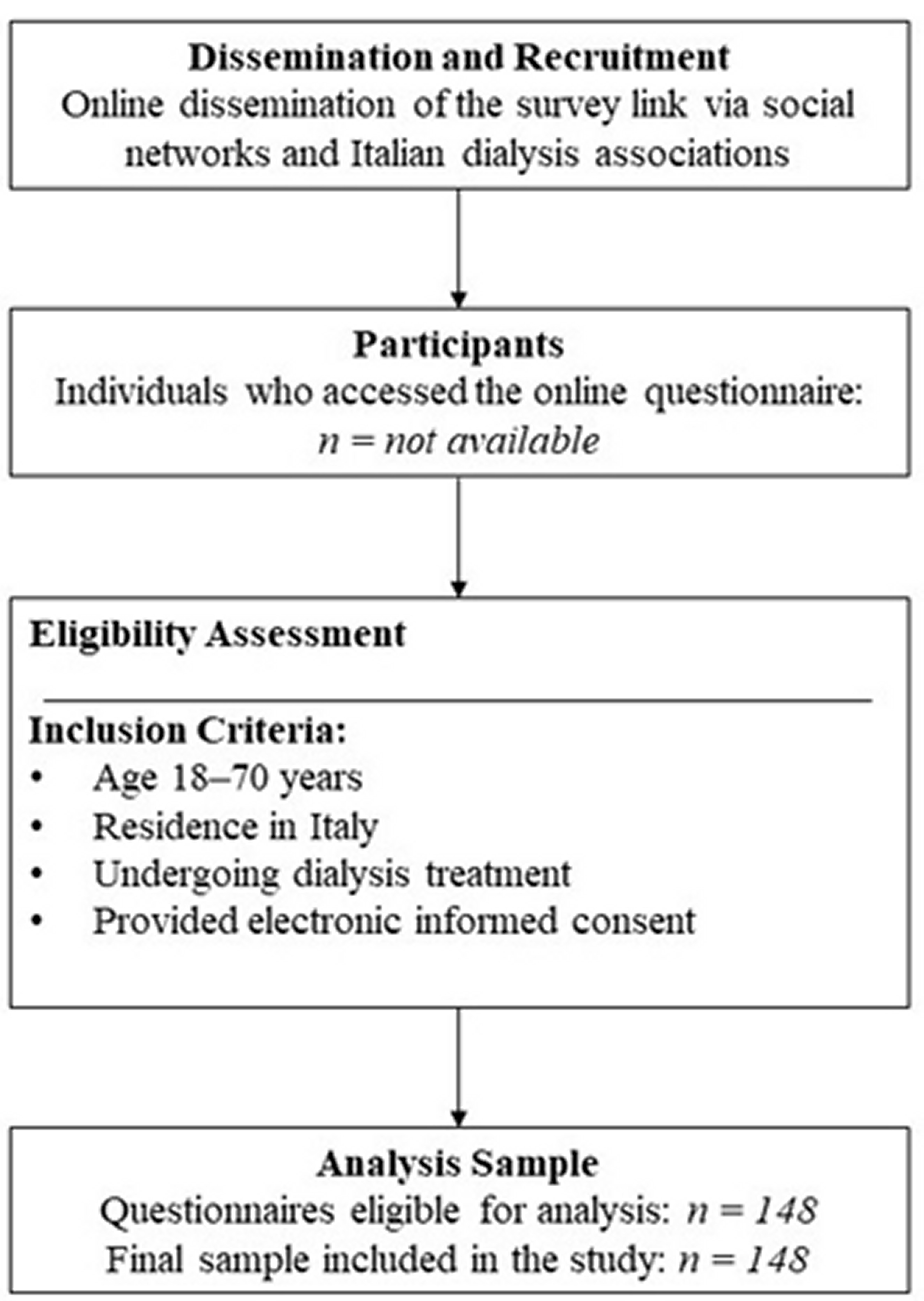
The Role of Acid–Base Understanding in Shaping Clinical Monitoring Skills Among Nurses: A Descriptive Cross-Sectional Correlational Study in Northeastern Pakistan
Muhammad Sohrab khan 1, Jihad Hussain 2, Muhammad Ishaq 2, Shams Ul Haq 2,
Hamza Khan 2, Muhammad Shayan 2, Zohaib Hussain 3, Mah Noor Mumtaz 4,
Wajid Hussain 4, Abdur Rahman 2*, Mahnoor Ali 5
- Medical B Ward, Bacha Khan Medical College / MTI Mardan Medical Complex, Mardan, Peshawar, Pakistan.
- Department of Nursing, Elizabeth Rani College of Nursing Mardan, Peshawar, Pakistan.
- Department of Nursing, Institute of Health Sciences, Mardan, Peshawar, Pakistan.
- Department of Biochemistry, Abdul Wali Khan University, Mardan, Peshawar, Pakistan.
- Department IPMH & BS, Khyber Medical University, Khyber Pakhtunkhwa, Pakistan.
* Corresponding author: Abdur Rahman, Department of Nursing, Elizabeth Rani College of Nursing Mardan, Peshawar, Pakistan. E-mail: abdurrahman888889998@gmail.com
Cite this article
ABSTRACT
Introduction: Acid-base balance is one of the most essential physiological terms, which play a crucial role in the examination of the patient and clinical observation. To control the patients well and detect changes when they start to deteriorate, nurses should have a good grasp of acid-base physiology.
Objective: The paper examined the impact of the level of knowledge of acid-base balance on clinical surveillance practices of nurses in Northeastern Pakistan.
Material & Methods: A cross-sectional, correlational, descriptive study was conducted on 403 registered nurses in different clinical settings in Northeastern Pakistan. The questionnaire was structured and validated, and it was completed by over four weeks by five sections: demographics; acid-base knowledge (10 items); clinical monitoring skills (12 items); knowledge to practice application (5 items); and barriers to effective monitoring. The statistical tests included descriptive statistics, Pearson correlation, independent t tests, one way ANOVA and linear regression.
Results: Nurses had high scores on acid-base knowledge (mean of 9.78/10, SD of 0.58) and clinical monitoring skills (mean of 53.8/60, SD of 6.2). There was a great deal of correlation between knowledge and skills (r = 0.82, p = 0.001). Greater qualification, experience, and formal training in ABG was an indicator of superior skills. Heavy workload was the most prevalent (54.1%) and lack of time (36.0%). Knowledge explained 52% of the variance in monitoring skills (R² = 0.52).
Conclusion: The clear understanding of acid-base balance is a key to the formation of clinical monitoring skills of nurses. The enhancement of patient monitoring practices will be achieved by the strengthening of acid-base education and barriers of workload.
Keywords: Clinical monitoring skills, acid -base balance, nurses, Pakistan, nursing education.
INTRODUCTION
One of the fundamental physiologic principles required during the evaluation and observation of patients is acid-base balance. As the first-line caregivers, nurses are very important in the early detection of acid-base disorders. One of their direct impacts on patient outcomes is their ability to detect subtle differences in respiratory patterns, state of consciousness, and vital signs [1]. Systematic observation, assessment, and interpretation of patient data is called clinical monitoring and is one of the core competences that distinguish expert nurses and novices and ensure patient safety [2,3]. Although the nursing curricula addresses the physiology of acid-base, there is most of the time a gap that exists between theory and practice. This gap between theory and practice is an important topic in nursing education with the potential threat to patient safety [4-6]. It has been reported that nursing students performed poorly on written exams, but they failed to apply their learning in the bedside [4,5]. Acid-base disturbances are common in the critically ill patients and are associated with a high mortality. Deviations in the parameters of arterial blood gases are also the foretellers of bad results among patients who are under intensive care [7], low blood pH is also a strong indicator of adverse final results [8]. Septic patients in Pakistan would have metabolic acidosis, and it was associated with fatal outcomes [9]. Physical examination (respiratory rate, depth, pattern, level of consciousness, vital signs) and analysis of diagnostic data, especially arterial blood gas (ABG) are part of clinical monitoring regarding acid-base balance [2,3,10]. The proper understanding of ABG requires a good theoretical foundation [10-12]. Nurses who understand the pathophysiology of acid-base have a greater advantage to diagnose the beginning of deterioration, care formulation, effective communication with the healthcare team, and predict complications [1,2,4,7-9,10-14]. There are a number of factors that determine the capability of nurses to use acid-base knowledge in clinical practice. Increased level of education, deep clinical experience, and formal training in ABG have been associated with better monitoring skills [1,3]. On the other hand, workload, time, lack of confidence, and inadequate continuing education are the obstacles [3,9,15]. Nursing education in Pakistan has evolved in the last thirty years. Pakistan Nursing Council regulates nursing education and licensure and the Generic Bachelor of Science in Nursing program includes pathophysiology and clinical rotations [3,9]. However, the evidence on the association between theoretical knowledge of acid-base and clinical monitoring skills in the Pakistani context among nurses is lacking [3,9]. Therefore, this study was aimed at exploring the role that the classification of acid-base can play in the building of clinical monitoring proficiency in nurses in Northeastern Pakistan.
Aim
This research will focus on the importance of acid-base knowledge in developing clinical monitoring competencies in nurses in Northeastern Pakistan.
Objective: The research questions of this research are as follows:
- To determine the degree of acid-base knowledge in nurses in Northeastern Pakistan.
- To determine the self-reported degree of clinical monitoring skills in nurses working in Northeastern Pakistan.
- To establish the relationship between the knowledge of acid-base and clinical monitoring skills of the nurses.
- To compare clinical monitoring skills among various demographic and professional groups such as gender, qualification, years of experience and the trainee status of ABG training.
- To determine the obstacles that do not allow the nurses to monitor patients effectively to detect acid-base imbalances.
- To produce evidence to guide nursing education and practice on the management of acid-base balances.
MATERIALS AND METHODS
Study Design and Setting
The study was a descriptive, cross-sectional, correlational study, which was carried out across four weeks among the Registered Nurses (RNs) in various clinical environments in Northeastern Pakistan. The purpose was to test the effect of the knowledge of acid-base concepts on the clinical monitoring ability of nurses.
Sampling and Eligibility
Study Period
The research was conducted for four weeks, between 1 December 2025 and 29 December 2025.
Type of Study
The relationship between acid-base knowledge and clinical monitoring competence in nurses was examined in a descriptive cross-sectional correlational design.
Study Population
The sample included RNs who were employed in a tertiary hospital, district hospital, private clinic, and community health center in Northeastern Pakistan. The student nurses, post RN nurses and diploma-nurse graduates were not included to give similar clinical experience and training.
Inclusion Criteria
- Registered Nurse and valid license.
- In use in a clinical environment.
- Willing to participate
- Capable of comprehending and filling the questionnaire.
Exclusion Criteria
- Unregistered (yet) student nurses.
- Nurses out on long leave or out during data collection.
- Informed consent was not given by nurses.
Sample Size Calculation
The OpenEpi v3.0 was used to calculate the sample size based on Cochran formula:
Where: Z = 1.96 (95% confidence level). p = 0.50 (proportion expected; this maximizes the sample size since there was no previous research in this population) and d = 0.05 (margin of error).
Since we did not know the RN total population, we did not make any correction in terms of a finite population. In this way, the minimum number of nurses was 385. All available and qualifying RNs were invited to minimize the non-response bias. There was adequate statistical power and 403 nurses were responding.
Sampling Technique
Non-probability convenience sampling technique was selected due to the practicality: access to the participants, time and the research exploratory nature. There was no possibility to use random or probability-based sampling since a full sampling frame of all registered nurses in all clinical settings in Northeastern Pakistan was not available. Moreover, the nurses were not always available on their units since they were on shifts, leaves, and caring of patients, which made the use of probability-based sampling impossible. We recognize that convenience sampling can be a source of selection bias because nurses who were available and willing to take part might differ with those who were not. This restricts the generalization of the findings.
Participants were recruited through personal contacts
Several clinical sites that were chosen offered administrative assistance to the nurses. Recruitment was done using nursing supervisors, head nurses and clinical coordinators who used the official communication channels to pass the information about the study.
Context of Participation
The paper questionnaires were issued within the clinical setting. They could be done by nurses during breaks or after shifts. The study details were provided in a concise manner and nurses were not pressured to join in the study.
Voluntary Participation
The participation was on a voluntary basis. Nurses were given a clear information regarding the objectives of the study, procedures and possible benefits and their informed consent form was signed. They were also promised that their participation would not have any impact on their jobs or professional status.
Bias Mitigation
Although convenience sampling may introduce self-selection bias, several measures were implemented to minimize this risk. All qualified nurses were invited irrespective of previous interest and knowledge. There were several reminders which increased representativeness. The fact that the study was represented by various clinical settings in the Northeastern part of Pakistan also minimized bias.
Ethical Considerations
The research received the consent of the Institutional Review Board (IRB) of Abdul Wali Khan University, Mardan.
- IRB Title: the institutional review board, Abdul Wali Khan University Mardan.
- IRB Number: IRB/2025/Acid-Base/Biochem/Nursing/0011
- Approval Date: 21-Nov-2025
The subjects were assured confidentiality, anonymity and the freedom to withdraw whenever they wished without consequences. No personal identifiable data was gathered, all the data were coded by number and safely kept by the research team.
Informed Consent
All the participants signed written consent before data collection. The consent form described the purpose of the study, which was voluntary, the right to leave, and to confidentiality.
Incentives
No economic or non-economic rewards were provided to take part.
Instruments
Data Collection Tool
Data were collected using an organized and tested questionnaire that was based on previous and confirmed research about the knowledge of acids and bases and clinical monitoring proficiencies. The questionnaire was created based on regular nursing teaching material and subject-matter experts revised the content of the questionnaires to ensure the content validity.
The questionnaire has been categorized into five parts as reported in Table 1.
Section Content Number of Items A Demographic Characteristics 6 items B Acid-Base Understanding (Knowledge Test) 10 items C Clinical Monitoring Skills (Self-Assessed Competency) 12 items D Knowledge-to-Practice Application 5 items E Barriers to Effective Monitoring 1 item (multiple response) Table 1. Section Number of Items Content.
Section A
Demographic Characteristics such as age, gender, qualification, years of experience, work area and ABG training status were included.
Section B
Acid-Base Understanding - involved ten multiple-choice question-based tests that evaluate pH, PaCO 2, -HCO 3, nature of disorders, compensatory responses, and typical clinical situations. One point was given a correct answer, making the possible score between 0 and 10.
Section C
Clinical Monitoring Skills- included twelve questions assessing self-reported abilities in respiratory assessment, ABG and risk identification, prioritisation and communication. The scale was based on a 5-point Likert scale:
- 1 Never/Not Confident,
- 2 Rarely/Slightly Confident,
- 3 Sometimes/Moderately Confident,
- 4 Often/Very Confident,
- 5 Always/Extremely Confident.
Total scores ranged from 12 to 60.
Section D
Knowledge-to-Practice Application - consisted of five questions which tested how knowledge is implemented in clinical practice.
Section E
Barriers to Effective Monitoring - had one item which provided the respondent with multi-choice possibility of selecting more than one perceived barrier.
Validity and Reliability
Two experts a nursing educator and a clinical instructor validated content validity. Face validity was developed through pilot testing ten registered nurses. Cronbach alpha (0.85) was used to measure Section C internal consistency, which was good.
Content validity was established by two experts (a nursing educator and a clinical instructor). Pilot testing was carried out to develop face validity using ten registered nurses.
The alpha of Cronbach was determined to determine the internal consistency of every section of the questionnaire:
- Section B (10 items): α = 0.81.
- Section C (12 items): α = 0.85.
- Section D (5 items): α = 0.79.
The values are all above the acceptable level of 0.70, which means good internal consistency.
Data Collection Procedure
The questionnaire was written and sent out to the clinical situations of participants. The researcher visited the selected health-care facilities at convenient times, approached the potential participants, informed them about the study, and invited them to participate in the study. Informed consent was received by means of written informed consent. The questionnaires were given out and collected on the same day to optimise the response rates. The collection of data went on till the required sample size was achieved.
Statistical Analysis
The data were read with the help of SPSS version 26. All the variables were computed using descriptive statistics. Means, standard deviations (SD), median, interquartile range (IQR), minimum, and maximum were presented as the variables were continuous (age, knowledge scores, skills scores, and so on). Categorical variables (gender, qualification, years of experience, work area, ABG training status) were described in the form of frequencies and percentages.
Shapiro-Wilk test was used to test the normality of knowledge and skills scores; p-values were found to be greater than 0.05, which proves that knowledge and skills scores were distributed normally and, accordingly, matches the use of parametric tests.
Pearson correlation coefficients were used to test a correlation between skills scores and total knowledge scores, and the assumption of linearity and normality was checked and fulfilled.
Independent-samples t-tests were applied to test the difference in mean scores of knowledge and skills between male and female nurses.
ANOVA was used to determine the difference between the mean scores of knowledges and skills by comparing groups of years of experience, the level of qualification and the area of work. The reason why the test was selected was that the independent variables had more than two levels. Premeditative homogeneity of variance and normality were investigated: the Shapiro–Wilk test demonstrated non-significant p-values (p > 0.05) in all groups, and Levene test showed that variance was equal (p > 0.05). Type I error was controlled when ANOVA showed significant differences by Tukey, Honestly Significant Difference (HSD) post-hoc tests.
The skills scores were predicted using knowledge score as the only predictor through simple linear regression. Multiple linear regression was used to determine the independent predictors of the skills scores, such as knowledge score, years of experience, qualification, and status of ABG training. All predictors were included using the enter method. Linearity, independence of residuals, homoscedasticity, and normality of residual assumptions were met. The 95% confidence interval for correlation and regression coefficients was reported to show precision.
Regression assumptions verification: The individual predictive effect of academic knowledge score of acid–base balance on clinical monitoring skills was assessed using simple linear regression. Multiple linear regression was used to determine the independent predictors of clinical monitoring skills after controlling for possible confounders, including qualification, years of experience, and ABG training status.
The linear regression assumptions were checked before analysis. Linearity was assessed by visual inspection of scatterplots of residuals against predicted values, which did not reveal any discernible pattern. Normal distribution of residuals was verified using the Shapiro–Wilk test (p > 0.05) and Q–Q plots. Homoscedasticity was assessed using the Breusch–Pagan test (p > 0.05), confirming constant variance of residuals. Multicollinearity, where multiple regression was used, was evaluated using variance inflation factor (VIF) values, which ranged from 1.12 to 1.89, indicating no significant multicollinearity. Independence of residuals was tested using the Durbin–Watson test (value = 1.98), indicating no autocorrelation.
The statistical significance level was established at p<0.05 and all the tests were two-tailed.
RESULTS
Demographic characteristics
There were 403 registered nurses who took part in the study. The average age of the sample was 34.8 (SD 7.2) and was between 22 and 52 years. The demographic characteristics are provided in Table 1, and the rest of the relevant findings are shown in Figures 1,2,3,4.
Variable Category Frequency (n) Percentage (%) Gender Male 207 51.4 Female 196 48.6 Qualification Diploma 253 62.8 BSN 117 29 MSN 33 8.2 Experience < 1 year 33 8.2 1-5 years 132 32.8 6-10 years 123 30.5 > 10 years 115 28.5 ABG Training Yes 310 76.9 No 93 23.1 Training Recency < 6 months 48 15.5 6-12 months 54 17.4 > 1 year 208 67.1 Table 1. Demographic Traits of Participants
Figure 1 indicates the gender distribution of the 403 registered nurses. The percentage distribution of males and females is 51.4 (207 nurses) and 48.6 (196 nurses), respectively, which is rather equal.
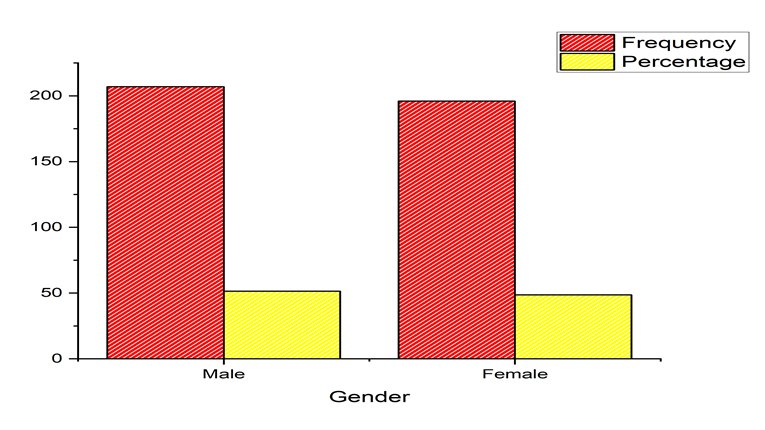
Figure 1. Gender of Participants.
Figure 2 shows the level of education of the nurses. The majority of them had a Diploma in Nursing (62.8% of 253 nurses), then a Bachelor of Science in Nursing (BSN) with 29.0% (117 nurses), and finally a Master of Science in Nursing (MSN) with 8.2% (33 nurses).
Figure 2. Qualification of the participants
Figure 3 provides the clinical experience of the nurses. The highest number was 1-5 years experience (32.8, 132 nurses), then 6-10 years (30.5, 123 nurses), over 10 years (28.5, 115 nurses) and less than one year (8.2, 33 nurses). The majority of nurses (76.9%, n=310) had received formal training in ABG, while 23.1% (n=93) had not.
Figure 4 shows the latest date in which the 310 trained nurses received the ABG training.
The majority (67.1%, 208 nurses) of them were trained more than one year ago, 17.4 percent (54 nurses) trained 6-12 months ago, and 15.5 percent (48 nurses) had been trained within the past six months.
Figure 3. Experience of the participants
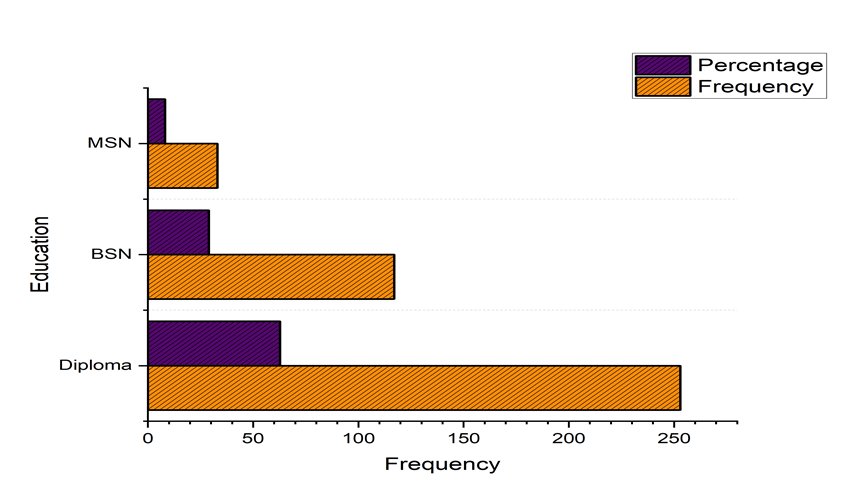
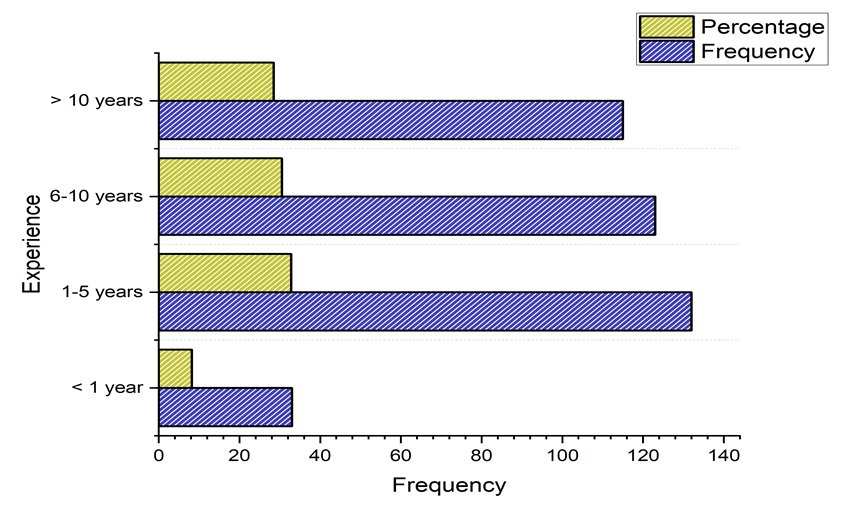
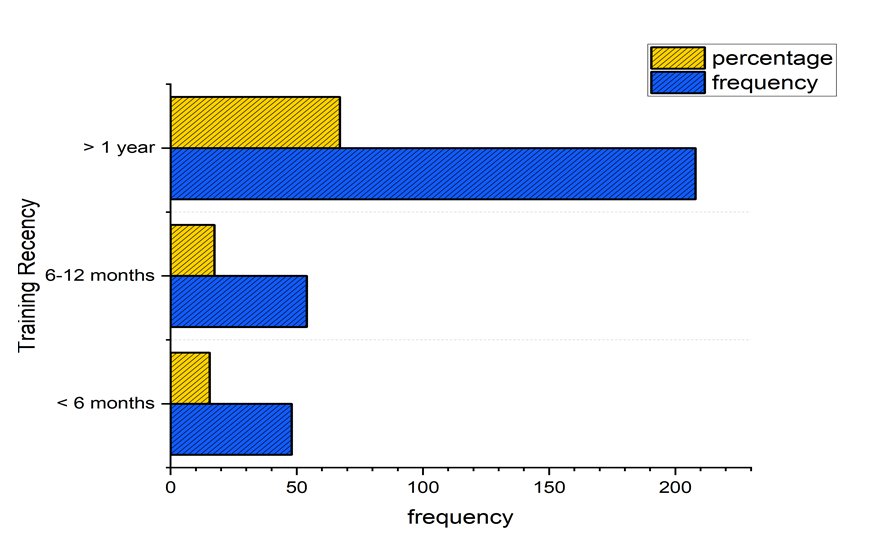
Figure 4. Training Recency of the participants
To Test the Acid-Base Knowledge Level of Nurses
Section 10 items assessed the knowledge that nurses had on the acid-base balance. Descriptive Statistics of Knowledge and Skills Scores were shown in Table 2.
Variable Mean SD Median Min Max Knowledge Score (out of 10) 9.78 0.58 10 8 10 Skills Score (out of 60) 53.8 6.2 56 38 60 Knowledge Score Distribution (Score) Frequency (n)
Percentage (%)
8 16 4 9 26 6.5 10 361 89.5 Skills Score Distribution (Score Range)
Frequency (n)
Percentage (%) 35–40 12 3 41–45 42 10.4 46–50 84 20.8 51–55 70 17.4 Table 2. Descriptive Statistics and Distribution of Knowledge and Skills Scores (N=403).
The mean score was 9.78 of 10 (SD=0.58), which means that there is high knowledge.
Very high percentage (89.5%) (n=361) scored 10, which depicts a very good understanding of acid-base concepts.
To Evaluate Self-Reported Clinical Monitoring Skills with the Nurses
Clinical monitoring skills were measured using section C (12 items) on a 5-point Likert scale. The average was 53.8 of 60 (SD = 6.2), which was high self-report competence. The highest range (56-60) had almost half (48.4) of the total scores, which reflects good monitoring skills.
To Establish the Relationship between the Acid-Base Knowledge and Clinical Monitoring Skills
Pearson’s correlation analysis was conducted to examine the relationship between knowledge scores (Section B) and skills scores (Section C). As shown in Table 2, a statistically significant, positive, and strong correlation was observed. Nurses with higher knowledge scores also demonstrated higher clinical monitoring skills scores.
Variable Pair Correlation Coefficient (r) 95% CI p-value Knowledge Score & Skills Score 0.82 [0.78, 0.86] < 0.001 Note: Pearson correlation assumptions were checked before analysis. The Shapiro-Wilk test was used to test normality (p > 0.05). Scatterplots were used to determine the linearity and the relationship was linear. No extreme outliers were observed (no values more than ±3 standard deviations of the mean) Table 3. Pearson coefficient of Knowledge and Skills Scores.
To Compare Clinical Monitoring Skills in the various demographic and professional groups
Comparison by Gender
The difference between the scores of the skills of male and female nurses did not show significant differences (p=0.156).
Comparison of Qualification
Higher level qualifications related with better clinical monitoring skills.
Comparison by Experience
As one becomes more skilled the skills increase. The distance between all the experience groups is significant (p < 0.01).
Comparison of ABG Training status
Table 3 summarizes differences in clinical monitoring skills scores according to demographic and professional variables, as assessed through t‑tests and one‑way ANOVA.
ABG trained nurses scored significantly higher (p < 0.001). Central Finding: The greater the level of qualifying is, the greater the monitoring skills. Post-hoc tests indicate that the MSN nurses had scores that were high as compared to the diploma nurses (p = 0.006).
Variable Categories N Mean Skills Score SD Statistic p-value Gender Male 207 54.2 6 t = 1.42 0.156 Female 196 53.4 6.4 Qualification Diploma 253 53.2 6.4 F = 4.89 0.008 BSN 117 54.6 5.8 MSN 33 56.1 5.2 Experience < 1 year 33 44.8 4.2 F = 48.2 < 0.001 1-5 years 132 51.2 5.1 6-10 years 123 55.4 5.3 > 10 years 115 57.8 4.6 ABG Training Yes 310 55.9 5.1 t = 12.4 < 0.001 No 93 46.8 5.5 Table.4 Comparison of Clinical Monitoring Skills by Demographic and Professional Groups
Knowledge-to-Practice Application
To assess the application of knowledge into clinical practice, Section D comprised five statements rated on a 5‑point Likert scale. Table 5 summarizes nurses’ responses in terms of mean scores and standard deviations.
Statement Mean SD D1: Theoretical knowledge helps recognize problems earlier 4.65 0.48 D2: Consciously apply acid-base concepts when assessing patients 4.42 0.69 D3: There is a gap between class learning and clinical practice 2.82 0.87 D4: Confident connecting lab results to physical assessment 4.38 0.71 D5: Continuing education would improve monitoring skills 4.92 0.27 Table 5. Knowledge-to-Practice Application Statements.
Key Findings:
- 8 percent said they agreed or strongly agreed that theoretical knowledge helps in early problem recognition.
- 1% said that they are aware of using acid-base concepts.
- Perceived gap between learning and practice in classrooms was seen in only 18.6% of the people.
- 5 percent strongly agreed that the continuation of the education would advance monitoring skills.
To Determine Bars to Counterproductive Nursing Care in the Surveillance of Acid-Base Imbalances in the Patient
Participants were asked to identify perceived barriers to effective acid–base monitoring. Table 6 summarizes the frequency and percentage distribution of the reported barriers, with heavy workload identified as the most common impediment.
Barrier Frequency (n) Percentage (%) Heavy workload / too many patients 218 54.1 Lack of time 145 36 Lack of confidence in interpreting results 32 7.9 Insufficient training 28 6.9 Limited access to ABG results 12 3 Lack of experienced staff to consult 8 2 None 18 4.5 Table 6. Hurdles to Successful Surveillance.
The most frequently reported barriers to effective acid–base monitoring were heavy workload and lack of time.
Regression Analysis
Simple Linear Regression
Simple linear regression was used to determine the prediction of clinical monitoring skills using acid-base knowledge scores.
Clinical monitoring skills were explained by knowledge score 0.52. The skills score increased by 8.82 points with each one-point increment in the knowledge score.
Model summary R2 F-statistic df numerator df denominator p-value 0.52 441.0 1 401 <0.001 Predictor Β SE t-statistic p-value 95% CI Knowledge Score 8.82 0.42 21 < 0.001 [7.99, 9.65] Table 7. Simple Linear Regression Analysis.
Multiple Linear Regression
To identify clinical monitoring skills as related to the knowledge score, qualification, experience, and status of the ABG training, the multiple linear regression was performed.
Model summary R2 F-statistic df numerator df denominator p-value 0.81 425.6 4 398 <0.001 Predictor β SE t-statistic p-value 95% CI Knowledge Score 7.45 0.38 19.6 < 0.001 [6.70, 8.20] Qualification 1.12 0.28 4 < 0.001 [0.57, 1.67] Experience 1.89 0.22 8.6 < 0.001 [1.46, 2.32] ABG Training (Yes) 4.32 0.48 9 < 0.001 [3.38, 5.26] Table 8. Multiple Linear Regression Analysis.
The entire model explained 81 percent of the variance in clinical monitoring skills. Knowledge score was the most significant one with experience coming in next, followed by ABG training status and qualification.
Critical Discussion of the Results
The researchers concluded that the majority of the nurses had a high level of knowledge and a good clinical monitoring ability associated with acid-base balance. However, on closer examination of the individual survey questions and subgroup analyses, there is a more detailed image. The nurses were not equally effective in exhibiting flawless competency in all the clinical monitoring activities. The level of knowledge was very high and K=89.5 and 10 is the highest possible mark, which means that the theoretical basis is strong. Contrastingly, the variation in terms of skills scores was less: 48.4 percent were in the upper tack (56-60), 20.8 percent were in the mid-range (46-50). This implies that academic knowledge may not necessarily become an ideal clinical practice. Self-reported skills differed even in the case of nurses who scored perfectly in terms of knowledge, which suggests that other variables have an impact on performance. Demographic analysis of skills scores was important in identifying some trends. Nurses who are less than one year experienced the lowest average skills score (44.8/60), and those who are over ten years experienced the highest (57.8/60). The gradual change highlights the importance of experiential learning but also brings up the issue of the willingness of novice nurses to be able to monitor the patients in isolation. The significant difference in means of 13 between novice and experienced nurses indicates that the development of skills with the help of structured mentorship might be faster. Formal ABG training was associated with much higher scores in skills (55.9 vs. 46.8, p 0.001). Nevertheless, 23.1 percent of nurses were not sufficiently trained on the use of ABG, which stands as a serious gap in the workforce susceptibility. On the Knowledge-to-Practice Application section, 95.8 percent of the nurses concurred that theoretical knowledge aids in diagnosing the problems at an earlier stage, but only 90.1 percent agreed to be conscious in applying the concepts of acid-base when evaluating patients. The 5.7 percent disparity is the indication of a small yet significant gap between the recognition and the regular use. Moreover, 18.6 per cent of nurses indicated that they felt disconnected between their classroom and clinical practice indicating that theory-practice gap was still present in some. The barriers analysis indicated that the most frequent barriers are heavy work load (54.1) and time (36.0). Such systemic conditions can hamper the implementation of competencies despite nurses being informed. The quality of monitoring is also a problem due to the high incidence of heavy workload which was the main area of concern regarding patient to nurse ratio. The regression models (R2 = 0.52; 0.81) and the correlation analysis (r = 0.82) indicate that there is a medium-high correlation between knowledge and skills. But the complete model predicts 81 per cent of the variance leaving 19 per cent unaccounted. The remaining variance can be due to factors that cannot be measured including personal motivation, cognitive burden, work culture, or access to mentors. When most nurses were found not lacking in confidence in their skills, quite a significant number showed concerns. Obstacles connected to the absence of confidence (7.9%), as well as the lack of training (6.9%), indicate that the knowledge does not necessarily ensure the lack of confidence or the positive attitude. These results highlight the importance of developing confidence-building techniques and workload management of nursing education and practice. In general, the findings suggest that even though the nurses are well-equipped in terms of acid-base knowledge, the usage of that knowledge in clinical monitoring is experience-dependent, training-dependent, as well as systemic. The educational interventions must be oriented not just on acquiring the knowledge, but also confidence development, exposure to practical experience in simulation and training exercises, and institutional concerns (workload, time limitations) to facilitate bedside implementation.
DISCUSSION
This paper discussed the relationship between acid-base knowledge and clinical monitoring competencies among nurses in Northeastern Pakistan. The results showed that the level of acid-base knowledge (mean = 9.78/10, SD = 0.58) and self-reported clinical monitoring skills (mean = 53.8/60, SD = 6.2) was high and there was a positive correlation between the two variables (r = 0.82, p < 0.001). Such results imply that an excellent theoretical basis in acid-base physiology is inextricably linked with improved clinical monitoring among nurses. The level of knowledge in this study (89.5% stating 10/10) is in line with Dakic et al. [1] in which interactions teaching method enhanced the students’ knowledge of acid-base physiology. On the same note, Brown et al. [2] observed that nursing students excel on written exams, but it is difficult to exercise the knowledge in clinical practice, and this correlates with the current research in which some respondents show a theory-practice gap. The correlation between knowledge and skills (r = 0.82) is strong, which is similar to those of international studies. In their study, Nassar and Schmidt [15] and Prasad et al. [18] noted that proper interpretation of ABG needs a sound theoretical foundation, which explains why we have found that knowledgeable nurses report higher monitoring skills. Moreover, Endacott et al. [5] discovered that successful monitoring involves the combination of technical skills and clinical reasoning, which is also consistent with the high level of skills given by our participants.
No differences in clinical monitoring skills were significant between the genders (p = 0.156), which concurs with Zhang et al. [10], who had no gender differences in metabolic abnormalities in nurses. But, higher qualified nurses showed much better monitoring skills (F = 4.89, p = 0.008), with the MSN-prepared nurses scoring higher than the diploma nurses (p = 0.006). This correlates with the study of Baiee and Ali [19] who observed that increased education is related to enhanced knowledge and skills. Clinical monitoring skills had a strong association with experience (F = 48.2, p < 0.001), which is consistent with Endacott et al. [5], who have found that advanced nursing competencies are acquired with time through clinical exposure. In the same vein, formal ABG training was also connected with much higher skills scores (t = 12.4, p < 0.001), which confirms the results of Fujimoto et al. [16], Zeserson et al. [17], and Prasad et al. [18] about the importance of structured training. Most of the nurses (95.8% said that theoretical knowledge would help them identify problems early and 96.5% said strongly that further education would enhance their monitoring abilities. These results indicate that continuous professional growth is necessary, as it is also stressed by Baiee and Ali [19]. The most common obstacles to effective monitoring were heavy workload (54.1) and lack of time (36.0). These findings are in line with those of Zhang et al. [10] who found that workload and shift-related stress are significant determinants of nurse behavior. These obstacles are especially applicable to the Pakistani environment, where the nurse-to-patient ratios are difficult [20]. The regression analysis showed that the knowledge score alone was sufficient to explain 52 percent of the variance in clinical monitoring skills (R2 = 0.52), whereas the complete model that contains knowledge, qualification, experience, and ABG training was sufficient to explain 81 percent (R2 = 0.81). Knowledge score was the strongest predictor (β = 7.45, p < 0.001), followed by experience (β = 1.89, p < 0.001), ABG training (β = 4.32, p < 0.001), and qualification (β = 1.12, p < 0.001).
CONCLUSION
This paper has shown that there is a close relationship between acid-base education and clinical monitoring competency among nurses in Northeastern Pakistan. These findings revealed that nurses had good acid-base knowledge (mean = 9.78/10) and clinical monitoring skills (mean = 53.8/60), and the two variables had a strong positive correlation (r = 0.82, p < 0.001). Increased qualification, experience, and formal training on ABG were linked to better monitoring skills. The barriers to effective monitoring were most often reported, 54.1%, and lack of time (36.0%).
Regression analysis found the best predictor of clinical monitoring skills is the acid-base knowledge, which explains 52% of variance. The entire model comprising experience, qualification, and training in ABG explained 81 percent of the variance. These results suggest that theoretical understanding of acid-base balance is one of the factors correlated with clinical monitoring competency in nurses.
Recommendation
For Nursing Education
The teaching of acid-base contents should be supported by interactive and case-based methods through nursing education programs to increase knowledge and memory [1,2]. The use of simulation-based training in the curricula is necessary to provide the students with a hands-on experience of ABG interpretation and clinical monitoring practice [5,7].
For Clinical Practice
A formal training process of practicing nurses should be developed by healthcare institutions since formal training was significantly associated with a higher level of monitoring skills [15,17,18]. Continuous education programs must be carried out on a regular basis to sustain and improve clinical competencies, particularly in acid -base management [19].
In the case of Healthcare Institutions
Workload and time issues should be handled with institutional leadership by maximizing the number of nurses per patient, since the issue of workload per patient is the most prevalent one that is reported as an obstacle to effective monitoring [10,20]. ABG results should be made available in a timely manner to assist in clinical decision-making and to enable some timely interventions [12,16].
For Future Research
Objective data in clinical monitoring skills including direct observation or simulation-based measures should be used in future studies to improve self-reported data [7]. Multi-centered research in the various areas of Pakistan is required to enhance the overall external validity of the results [20].
Limitations
This study has several limitations. To begin with, convenience sampling will restrict the generalizability of the findings to the whole population of nurses in Pakistan. Second, the skills reported by the self might not be the ones that are objective in clinical performance, because perceptions are not necessarily associated with competency. Third, the study design is cross-sectional and therefore no causal inferences can be made; despite a strong association, it is not possible to imply causality. Fourth, the research was only done in a single region (Northeastern Pakistan) and this could not be generalized to other geographical regions. Fifth, causal relationships cannot be drawn because of the cross-sectional design. The interrelationships mentioned in this research are not causal but correlational. These limitations could be overcome by future studies based on probability sampling, objective competency tests, and multi-center studies.
Funding statement
This research did not receive any specific grant from funding agencies in the public, commercial, or not for profit sectors.
Local ethics Committee Approval
The study was conducted in accordance with international ethical guidelines of conducting research with human participants. This was done to safeguard the rights, safety and well-being of participants by ensuring we had ethical approval prior to data collection. The study plan was discussed and reviewed by the Institutional Review Board (IRB) of Abdul Wali Khan University, Mardan.
- IRB Title: The Institutional Review Board, Abdul Wali Khan University Mardan
- IRB Number: IRB/2025/Acid-Base/Biochem/Nursing/0011.
- Date of Approval: November 21, 2025
The involvement was completely voluntary. The purpose, methodology, possible benefits and the right of the registered nurses to discontinue the study were explained to them without any penalty to their job or personal status. All the participants signed consent papers prior to data collection.
No personal identifiers were obtained, which guaranteed confidentiality and anonymity. Questionnaires were coded in numbers, and all the data were stored safely, in a place where only the research team can access. The data was only utilized in terms of academic and research purposes. The research did not produce any physical, mental, or professional damage. It was not a sensitive topic, and the participants were not required to answer any question that would not be comfortable to them, which was connected to the topic (acid-base understanding and clinical monitoring skills).
Conflict of interest
The authors do not claim any conflicts of interest.
Authors’ contribution
The conceptualization was done by Abdur Rahman and Jihad Hussain and the study design. The methodology and the instruments were developed by Shams Ul Haq, Zohaib Hussain, and Muhammad Shayan. Shams Ul Haq, Mah Noor Mumtaz and Wajid Hussain organized data collection and fieldwork. Zohaib Hussain, Mahnoor Ali and Abdur Rahman took part in the data analysis and interpretation. Muhammad Sohrab Khan, Muhammad Ishaq and Hamza Khan helped in the literature review, drafting of the manuscript and initial validation of data. Muhammad Shayan helped in logistics of the fieldwork and data entry. Abdur Rahman led the research, optimized the methodology, and supervised the writing, revision, and final approval of the manuscript.
The final version of the manuscript was approved by all the authors.
Additional Author Information
The email addresses and ORCID identifiers of the authors are reported below.
Muhammad Sohrab Khan: email: sohrab_dr2002@hotmail.com; ORCID: Not available
Jihad Hussain: email: legendenterprise094@gmail.com; ORCID: 0009-0009-4914-9045
Muhammad Ishaq: email: mishaqlkr0349@gmail.com; ORCID: 0009-0006-5906-1854
Shams Ul Haq: email: qaris729@gmail.com; ORCID: 0009-0004-6055-466X
Hamza Khan: email: khankhan983933@gmail.com; ORCID: 0009-0003-7618-7967
Muhammad Shayan: email: shayanmuhammad847@gmail.com; ORCID: 0009-0007-3498-828X
Zohaib Hussain: email: zk4542471@gmail.com; ORCID: Not available
Mah Noor Mumtaz: email: mahnoor@awkum.edu.pk; ORCID: 0009-0004-3699-7559
Wajid Hussain: email: wajid.awkum@gmail.com; ORCID: 0009-0007-4307-4287
Abdur Rahman: email: abdurrahman888889998@gmail.com; ORCID: 0009-0008-2170-146X
Mahnoor Ali: email: mahnorralimdcat2022@gmail.com; ORCID: 0009-0003-6475-2607
Acknowledgements
The authors are grateful to all registered nurses who took part in this study and also recognize the assistance of nursing supervisors, head nurses, and clinical coordinators that were used during recruitment.
Application of Artificial Intelligence Tools
No artificial intelligence software was applied other than a regular grammar and spell.
REFERENCES
- Dakic T, Cvetic Antic T, Jevdjovic T, Lakic I, Ruzicic A, Vujovic P. Balancing act: enhancing student comprehension of acid-base physiology through interactive, system-based teaching. Advances in Physiology Education. 2025;49(4):855-61. doi: 10.1152/advan.00133.2025.
- Brown CE, Henry ML, Hyslop RM. Identifying relevant acid–base topics in the context of a prenursing chemistry course to better align health-related instruction and assessment. Journal of Chemical Education. 2018;95(6):920-7. doi: 10.1021/acs.jchemed.7b00830.
- Jennings KM. The Roy adaptation model: a theoretical framework for nurses providing care to individuals with anorexia nervosa. Advances in Nursing Science. 2017;40(4):370-83. doi: 10.1097/ANS.0000000000000175.
- Bezuidenhout MC, Wiese OJ, Moodley D, Maasdorp E, Davids MR, Koegelenberg CF, et al. Correlating arterial blood gas, acid–base and blood pressure abnormalities with outcomes in COVID-19 intensive care patients. Annals of Clinical Biochemistry. 2021;58(2):95-101. doi: 10.1177/0004563220972539.
- Endacott R, Scholes J, Jones C, Boulanger C, Egerod I, Blot S, et al. Development of competencies for advanced nursing practice in intensive care units across Europe: A modified e-Delphi study. Intensive and Critical Care Nursing. 2022;71:103239. doi: 10.1016/j.iccn.2022.103239.
- Das R, Sobi RA, Sultana AA, Nahar B, Bardhan PK, Luke L, et al. A double-blind clinical trial to compare the efficacy and safety of a multiple amino acid-based ORS with the standard WHO-ORS in the management of non-cholera acute watery diarrhea in infants and young children: "VS002A" trial protocol. 2022;23(1):706. doi: 10.1186/s13063-022-06601-5.
- de Menezes HF, Camacho AC, de Sousa PA, Primo CC, Ferreira LB, da Silva RA. Validation of Nursing Diagnoses for people with chronic kidney conditions on conservative treatment. Revista da Escola de Enfermagem da USP. 2021;55:e20200396. doi: 10.1590/1980-220X-REEUSP-2020-0396.
- Zemlin AE, Sigwadhi LN, Wiese OJ, Jalavu TP, Chapanduka ZC, Allwood BW, et al. The association between acid–base status and clinical outcome in critically ill COVID-19 patients admitted to intensive care unit with an emphasis on high anion gap metabolic acidosis. Annals of Clinical Biochemistry. 2023;60(2):86-91. doi: 10.1177/00045632221134687.
- Chatchatee P, Nowak-Wegrzyn A, Lange L, Benjaponpitak S, Chong KW, Sangsupawanich P, et al. Tolerance development in cow's milk–allergic infants receiving amino acid–based formula: A randomized controlled trial. Journal of Allergy and Clinical Immunology. 2022;149(2):650-8. doi: 10.1016/j.jaci.2021.06.025.
- Zhang H, Wang J, Zhang S, Tong S, Hu J, Che Y, et al.Relationship between night shift and sleep problems, risk of metabolic abnormalities of nurses: a 2 years follow-up retrospective analysis in the National Nurse Health Study (NNHS). International Archives of Occupational and Environmental Health. 2023;96(10):1361-71. doi: 10.1007/s00420-023-02014-2.
- Pépin M, Klimkowicz‐Mrowiec A, Godefroy O, Delgado P, Carriazo S, Ferreira AC, et al. Cognitive disorders in patients with chronic kidney disease: approaches to prevention and treatment. European Journal of Neurology. 2023;30(9):2899-911. doi: 10.1111/ene.15928.
- Sanghani H, Bansal S, Parmar V, Shah R, Sanghani DH, Parmar Sr V. Study of arterial blood gas analysis in moderate-to-severe COVID-19 patients. Cureus. 2022;14(7):e26715. doi: 10.7759/cureus.26715.
- Kieninger M, Sinning A, Vadász T, Gruber M, Gronwald W, Zeman F, et al. Lower blood pH as a strong prognostic factor for fatal outcomes in critically ill COVID-19 patients at an intensive care unit: A multivariable analysis. PLoS One. 2021;16(9):e0258018. doi: 10.1371/journal.pone.0258018.
- Moreno-Perez O, Leon-Ramirez JM, Fuertes-Kenneally L, Perdiguero M, Andres M, Garcia-Navarro M, et al. Hypokalemia as a sensitive biomarker of disease severity and the requirement for invasive mechanical ventilation requirement in COVID-19 pneumonia: a case series of 306 Mediterranean patients. International Journal of Infectious Diseases. 2020;100:449-54. doi: 10.1016/j.ijid.2020.09.033.
- Nassar BS, Schmidt GA. Estimating arterial partial pressure of carbon dioxide in ventilated patients: how valid are surrogate measures?. Annals of the American Thoracic Society. 2017;14(6):1005-14. doi: 10.1513/AnnalsATS.201701-034FR.
- Fujimoto S, Suzuki M, Sakamoto K, Ibusuki R, Tamura K, Shiozawa A, et al. Comparison of end-tidal, arterial, venous, and transcutaneous PCO2. Respiratory Care. 2019;64(10):1208-14. doi: 10.4187/respcare.06094.
- Zeserson E, Goodgame B, Hess JD, Schultz K, Hoon C, Lamb K, et al. Correlation of venous blood gas and pulse oximetry with arterial blood gas in the undifferentiated critically ill patient. Journal of Intensive Care Medicine. 2018;33(3):176-81. doi: 10.1177/0885066616652597.
- Prasad H, Vempalli N, Agrawal N, Ajun UN, Salam A, Subhra Datta S, et al. Correlation and agreement between arterial and venous blood gas analysis in patients with hypotension—an emergency department-based cross-sectional study. International Journal of Emergency Medicine. 2023;16(1):18. doi: 10.1186/s12245-023-00486-0.
- Baiee NR, Ali SA. Critical Care Nurse’s Knowledge Regarding to Fluid and Electrolytes Administration in Al-Hilla, Iraq. Medical Journal of Babylon. 2025;22(3):717-22. doi: 10.4103/MJBL.MJBL_737_23.
- Kausar S, Advani R, Ali Z, Batool W. Prevalence of acid-base disorders and impact on outcome in sepsis in critically ill patients: A retrospective cohort study. Anaesthesia, Pain & Intensive Care. 2025;29(7):764-9. doi: 10.35975/apic.v29i7.2952.
- Ciabattoni A, Chiumello D, Mancusi S, Pozzi T, Monte A, Rocco C, et al. Acid–Base Status in Critically Ill Patients: Physicochemical vs. Traditional Approach. Journal of Clinical Medicine. 2025;14(9):3227. doi: 10.3390/jcm14093227.
This work is licensed under a Creative Commons Attribution-NonCommercial-NoDerivatives 4.0 International License.
THE IMPACT OF AN INTERACTIVE MODULE–BASED REFLECTIVE FLIPPED CLASSROOM ON SELF-EFFICACY AND REFLECTIVE THINKING IN SPIRITUAL CARE EDUCATION FOR NURSING STUDENTS IN INDONESIA: A QUASI-EXPERIMENTAL STUDY
Inggriane Puspita Dewi 1*, Popy Irawati 2, Sharifah Shafinaz Sh Abdullah 3,
Soviaturohmah Nur Rizky 4, Resti Febrianti 4, Santy Sanusi 1
- Department of Nursing, Faculty of Health Sciences, Universitas Aisyiyah, Bandung, West Java, Indonesia.
- Department of Nursing, Faculty of Health Sciences, Universitas Muhammadiyah, Tangerang, West Java, Indonesia.
- Centre for Nursing Studies, Faculty of Health Sciences, UiTM Selangor, Puncak Alam, Selangor, Malaysia.
- Nursing Department, Faculty of Health Sciences, Universitas Aisyiyah, Bandung, West Java, Indonesia.
* Corresponding author: Inggriane Puspita Dewi, Department of Nursing, Universitas Aisyiyah, Bandung, West Java, Indonesia. E-mail: inggriane.puspita@unisa-bandung.ac.id
Cite this article
ABSTRACT
Introduction: Spiritual care is essential in holistic nursing; however, nursing students often feel less confident and reflective in providing it. Innovative teaching methods combining active learning and reflection are needed to fill this gap.
Objective: This study evaluated the impact of reflective, flipped-classroom spiritual care training on students' self-efficacy and reflective thinking.
Methods: A quasi-experimental pretest–posttest design with a control group was conducted among 82 undergraduate nursing students from two universities in Indonesia. Participants were allocated to an intervention group (n = 41) or a control group (n = 41) based on existing class enrollment. The intervention consisted of a 16-week reflective flipped classroom supported by an interactive e-module, while the control group received conventional lecture-based instruction. Self-efficacy and reflective thinking were measured at baseline and post-intervention. Data normality was assessed using the Shapiro–Wilk test. Within-group differences were analyzed using the Wilcoxon signed-rank test or paired sample t-test as appropriate, and between-group differences were examined using the Mann–Whitney U test.
Results: Within-group analyses showed statistically significant improvements in self-efficacy and reflective thinking in the intervention group (p < 0.001). In the control group, changes in reflective thinking were not statistically significant (p = 0.062). Between-group post-test comparisons demonstrated significantly higher self-efficacy and reflective thinking scores in the intervention group than in the control group (p < 0.001), with a large effect (r = 0.67 for self-efficacy and r = 0.61 for reflective thinking).
Conclusion: The findings indicate that a reflective flipped classroom approach is associated with higher self-efficacy and reflective thinking among nursing students in spiritual care education. While causal conclusions cannot be drawn, the results support the educational value of reflective and interactive learning strategies in undergraduate nursing curricula.
Keywords: spiritual care, flipped classroom, reflective learning, self-efficacy, nursing education.
INTRODUCTION
Spirituality is increasingly recognized as a core component of holistic nursing, encompassing individuals' search for meaning, purpose, connection, and transcendence amid health, illness, and suffering [1,2]. In clinical practice, spiritual care plays a crucial role in supporting patients' emotional well-being, coping processes, and psychological adjustment, particularly among individuals facing chronic illness, serious health conditions, and end-of-life situations [3,4].
A growing body of empirical evidence indicates that spiritual care interventions are associated with positive patient outcomes across diverse healthcare settings. Previous studies have reported that spiritual care may contribute to reducing anxiety, enhancing emotional regulation, improving coping strategies, and a greater sense of meaning and connectedness among patients experiencing vulnerability or existential distress [5,6]. These findings underscore nurses' professional responsibility to competently assess and address patients' spiritual needs as an integral part of person-centered care. Despite its recognized importance, spiritual care remains one of the areas in which nurses and nursing students report the lowest levels of confidence. Numerous studies have shown that nurses often feel uncertain, uncomfortable, or inadequately prepared to engage in spiritual care, even when they acknowledge its relevance to quality nursing practice [2,7,8]. This discrepancy suggests a persistent gap between professional expectations and cultural clinical practice. One contributing factor to this gap lies in undergraduate nursing education. Although spirituality is frequently included in nursing curricula, it is often addressed at a conceptual or theoretical level, with limited opportunities for experiential learning, structured reflection, and skill-based application [9,10]. As a result, nursing students may develop theoretical awareness of spiritual care without sufficient confidence or readiness to engage in spiritual conversations and interventions during clinical encounters [11,12]. Research focusing on nursing students highlights particular challenges related to self-efficacy and reflective capacity in spiritual care. Self-efficacy, defined as an individual's belief in their ability to perform specific tasks [9,10], plays a key role in translating knowledge into action. Students with low self-efficacy may avoid initiating spiritual care interactions, even when they possess adequate theoretical understanding [13,14]. In parallel, reflective thinking is essential for effective spiritual care, as it enables nurses to critically examine their personal values, emotional responses, and professional responsibilities when addressing patients' existential concerns [15,16]. However, reflective practice is not consistently embedded in nursing education. Previous studies have reported that nursing curricula often lack structured reflective activities, standardized guidance, and intentional pedagogical planning to support the development of reflective thinking alongside clinical competence [17,18]. This limitation may hinder students' ability to integrate spiritual care knowledge with self-awareness and ethical sensitivity. To address these educational challenges, active and student-centered learning strategies that intentionally integrate reflection are increasingly recommended. The flipped classroom model, which shifts content delivery to pre-class learning and utilizes in-class time for higher-order cognitive activities, has gained recognition as an effective pedagogical approach in nursing education [19,20]. Additionally, flipped classrooms support self-regulated learning and increase student confidence, which are linked to the development of self-efficacy [21,22]. However, the use of flipped classroom strategies in spiritual care education remains limited, particularly when reflective learning is not intentionally integrated into the teaching approach. Within a flipped classroom framework, interactive learning modules can function as structured pre-class resources that integrate content, reflection, and formative feedback. In this study, an interactive module is conceptualized as a structured instructional unit that combines case-based scenarios, guided reflective questions, and multimedia content to support self-directed and meaningful learning [4,19,23]. In a flipped classroom, it serves as a pre-class tool that prepares students for higher-order activities during in-class sessions, which focus on discussion, reflection, and the application of spiritual care concepts in simulated or case-based contexts [24].
The interactive and reflective nature of the module aligns with key outcomes in spiritual care education. Active engagement with realistic scenarios and reflection helps develop self-efficacy and reflective thinking, especially in emotional sensitivity and existential care [16,25]. Despite existing spiritual care competency frameworks, guidance on pedagogical methods that foster reflective thinking and self-efficacy through innovative, student-centered learning is limited.
A significant gap remains in nursing education regarding the effective implementation of spiritual care competencies through integrated, reflective, and interactive flipped classroom approaches.
Objective
This study investigates the impact of a reflective flipped classroom, supplemented by an interactive module, on the self-efficacy and reflective thinking of undergraduate nursing students in spiritual care. It is expected that students engaging with this innovative learning model will show notably greater self-efficacy and reflective thinking than those taught through traditional methods approaches.
MATERIALS AND METHODS
Design
A quasi-experimental pre-post-test design with a control group was used to examine differences in self-efficacy and reflective thinking between students who participated in a reflective flipped classroom intervention and those who received traditional instruction.
strong>Participants and Setting
The study population comprised undergraduate nursing students in Indonesia. The sample size calculation was performed using G*Power version 3.1, based on the Wilcoxon–Mann–Whitney test for two independent groups, with a significance level of 0.05 and a statistical power of 80% [26,27]. This choice was made because the outcome variables were expected to be analyzed using a nonparametric approach if the assumption of normality was violated. A moderate effect size (d = 0.60) was selected based on previous meta-analyses of flipped classroom interventions in nursing education, which report medium to large effects on educational outcomes [26,27]. This conservative estimate was chosen to avoid overestimating intervention effects in applied educational settings.
Based on this calculation, a minimum of 37 participants per group was required. To account for potential participant attrition, an additional 10% was added to the total sample size, resulting in a final sample of 82 participants (41 per group).
A purposive sampling technique was employed. The inclusion criteria were undergraduate nursing students in their third year of academic study who were actively enrolled and willing to participate in the study. The exclusion criteria included undergraduate nursing students who were on academic leave during the data collection period.
The study was conducted at two universities in West Java that had supportive curricula, classrooms, and labs for learning activities and data collection processes.
Group Allocation and Baseline Comparability
Participants were allocated to either the intervention or control group based on their existing class assignments at each institution to minimize contamination between groups. Random assignment was not feasible due to academic scheduling constraints.
To reduce selection bias, both groups were drawn from the same academic year and comparable institutional settings. Baseline comparability was assessed using demographic characteristics (age, gender, and religion), which showed similar distributions between groups (Table 1), supporting demographic equivalence at study entry. However, no baseline psychometric measurements were collected for the outcome variables.
Assessments and Measures
Post-intervention data on self-efficacy and reflective thinking were collected from the intervention group after the instructional intervention concluded. Control group data were collected simultaneously at the corresponding time point in separate classrooms to ensure temporal equivalence and minimize cross-group contamination. The estimated time to complete the questionnaires was 25-30 minutes.
The self-efficacy instrument was adapted from Bandura's (1997) [25] General Self-Efficacy, and reflective thinking was measured using the Level of Reflective Thinking Questionnaire developed by Kember et al. (2000) [28]. Prior to the main study, the translated instruments were tested for validity with a pilot sample of 30 undergraduate nursing students. The instruments were translated into Indonesian using a forward–back translation procedure, followed by expert review to ensure semantic and conceptual equivalence. A pilot test was conducted with 30 undergraduate nursing students to assess clarity and cultural appropriateness.
Reliability testing demonstrated high internal consistency, with Cronbach's alpha coefficients of 0.882 for self-efficacy and 0.984 for reflective thinking. While these values indicate strong reliability, the very high alpha for reflective thinking may also suggest potential item redundancy, which should be considered when interpreting results.
Each questionnaire consisted of 20 items, both the reflective thinking and self-efficacy instruments used the same scoring classification, categorizing scores as very (1) very poor [0,20[, (2) poor [20,40[, (3) average [40,60[, (4) good [60,80[, and (5) excellent (≥80).
Intervention Procedures
The intervention was developed using a constructive alignment framework to ensure coherence among course learning outcomes (CLOs), learning activities, and assessment strategies. It was grounded in the principles of flipped classroom pedagogy and reflective learning. The total workload was equivalent to 2 academic credit units (approximately 58 hours), delivered over 16 weeks with an average of 4 hours of learning activities per week [9]. The full set of intervention procedures is outlined in Table 1.
Phase Timing Learning Activities Learning Materials / Tools Purpose Preparation Phase Before semester 1. Development of an interactive e-module 2. Alignment of course learning outcomes, activities, and assessment
3. Facilitator briefing (lecturers, chaplain, palliative nurses)
4. Learning management system (LMS) setup
1. Interactive e-module 2. Semester learning plan
3. Google Classroom
Ensure instructional consistency and constructive alignment Baseline Assessment (Pre-Test) Week 0 (before intervention) 1. Orientation session and informed consent 2. Administration of baseline questionnaires to both groups
1. Self-efficacy (pre-test) 2. Reflective thinking (pre-test)
Assess baseline equivalence between intervention and control groups Pre-Class Learning (Flipped Component) Weekly (≈ 2 hours/week) 1. Independent study using an interactive module 2. Viewing instructional videos
3. Analysis of case-based spiritual care scenarios
4. Completion of guided reflective questions
5. Formative quizzes
1. Interactive e-module 2. Instructional videos
3. Case scenarios
4. Online quizzes
Build foundational knowledge and support self-directed learning In-Class Learning (Reflective & Active Learning) Weekly (face-to-face / synchronous sessions) 1. Facilitated case-based group discussions 2. Guided reflective dialogue
3. Role play and communication skills practice
4. Spiritual assessment exercises
5. Practice of religion-based spiritual care (Islamic context)
1. Case discussion guides 2. Reflection prompts
3. Skills demonstration tools
Apply theoretical knowledge, enhance reflective thinking, and strengthen self-efficacy Reflection and Feedback Throughout semester 1. Submission of structured reflective journals 2. Facilitator feedback on reflection and participation
3. Ongoing formative assessment
1. Reflective journal templates 2. LMS feedback features
Deepen self-awareness and reinforce reflective learning Post-Intervention Assessment End of semester 1. Completion of the self-efficacy questionnaire 2. Completion of the reflective thinking questionnaire
1. Self-efficacy scale 2. Reflective thinking questionnaire
Evaluate post-intervention outcomes and compare groups Control Group (Comparison) Throughout semester 1. Traditional lecture-based instruction 2. Classroom discussion without structured reflection or flipped classroom elements
1. Lecture materials 2. Standard classroom resources
Provide a comparison condition without reflective flipped learning Table 1. Intervention Procedures.
Data Collection and Statistical Analysis
Descriptive statistics, including means, standard deviations, frequencies, and percentages, were used to summarize participants' demographic characteristics and study variables. Instrument reliability was assessed using Cronbach's alpha coefficients.
The Shapiro–Wilk test was used to assess the normality of the distributions of self-efficacy and reflective thinking scores in both the intervention and control groups. In particular, a p-value greater than 0.05 indicates that the null hypothesis of normality cannot be rejected.
To examine within-group differences between pre-test and post-test scores in both the intervention and control groups, paired-sample t-tests were used to assess differences between means. When data were not normally distributed, the non-parametric Wilcoxon signed-rank test was applied as an alternative. To compare between-group differences in outcome scores, independent-sample t-tests were used. In cases of non-normal distribution, the Mann–Whitney U test was employed as a non-parametric alternative.
Effect sizes for the Mann–Whitney U test were calculated using the rank-biserial correlation (r) derived from the standardized Z value to estimate the magnitude of group differences and were interpreted according to established criteria. A two-tailed p-value < 0.05 was considered statistically significant.
All statistical analyses were performed using SPSS software (version 27).
RESULTS
Participants Characteristic
In Table 2 we have reported the main characteristics of our sample of undergraduate nursing students. Participants in both groups were predominantly in early adulthood. The intervention group had a mean age of 21.51 years (median = 21; range, 19–28), while the control group had a mean age of 20.54 years (median = 20; range, 19–26). In the intervention group, the highest proportion of participants was aged 21 years (29%), whereas in the control group, the majority of participants were aged 20 years (51%). Female participants constituted the majority in both groups. In the intervention group, 71% of participants were female, and 29% were male. Similarly, the control group consisted of 85% female and 15% male participants. All participants in the Islamic religion.
Comparable age and gender characteristics across groups indicate baseline demographic homogeneity, thereby supporting the internal validity of the quasi-experimental design.
Characteristics Intervention Group Control Group f % f % Age (years) 19 4 10 5 12 20 7 17 21 51 21 12 29 10 24 22 9 22 2 5 23 5 12 1 2 24 2 5 1 2 25 1 2 0 0 26 0 0 1 2 28 1 2 0 0 Gender Male 12 29 6 15 Female 29 71 35 85 Religion Islam 41 100 41 100 Christianity 0 0 0 0 Buddhist 0 0 0 0 Hinduism 0 0 0 0 Table 2. Participants Characteristics
In the intervention group, the Shapiro–Wilk test showed that both pre-test and post-test scores for self-efficacy (p < 0.0001) and reflective thinking (pre-test p = 0.001; post-test p < 0.0001) were not normally distributed. Therefore, non-parametric statistical tests were considered appropriate for within-group analyses in the intervention group. In contrast, in the control group, the Shapiro–Wilk test indicated that pre-test and post-test scores for self-efficacy (pre-test p = 0.214; post-test p = 0.149) and reflective thinking (pre-test p = 0.123; post-test p = 0.057) were normally distributed (p > 0.05). Accordingly, parametric tests were applied for within-group analyses in the control group (Table 3).
Intervention Group Control point n p-value Self-Efficacy Pre-test 41 < 0.001 Post-test 41 < 0.001 Reflective Thinking Pre-test 41 0.001 Post-test 41 < 0.001 Control Group Control point n p-value Self-Efficacy Pre-test 41 0.214 Post-test 41 0.149 Reflective Thinking Pre-test 41 0.123 Post-test 41 0.057 Table 3. The Shapiro–Wilk Normality Test
Table 4 presents within-group comparisons of pre- and post-test scores for self-efficacy and reflective thinking in the intervention and control groups.
Variables Group Pre-Test (Mean ± SD)
Post-Test (Mean ± SD)
p-value Self-Efficacy Intervention 82.10 ± 9.11 90.32 ± 9.59 < 0.001 a Control 73.49 ± 8.73 80.15 ± 11.66 < 0.001 b Reflective Thinking Intervention 80.54 ± 9.19 87.10 ± 9.97 < 0.001 a Control 73.05 ± 8.19 77.49 ± 12.00 0.062 b Note: a = (Wilcoxon Signed-rank); b = (Paired Sample T-Test)
Table 4. Pre-Test and Post-Test Comparison within Intervention and Control Groups
In the intervention group, statistically significant differences were observed between pre- and post-test scores for both self-efficacy and reflective thinking (p < 0.001), indicating higher post-test scores than at baseline. In contrast, within the control group, no statistically significant differences were found between pre- and post-test scores for self-efficacy or reflective thinking (p = 0.062). These findings suggest different patterns of change over time between the intervention and control groups.
Table 5 further supports these findings through inferential analysis. Nursing students who participated in the reflective flipped classroom showed notably higher self-efficacy scores (mean = 90.32 ± 9.59) than those in the control group (mean = 80.15 ± 11.66), with a difference of 10.17 points (p < 0.001). Similarly, reflective thinking scores were substantially higher in the intervention group (87.10 ± 9.97) than in the control group (77.49 ± 12.00), with a difference of 9.61 points (p < 0.001). These significant and statistically strong differences suggest a meaningful educational impact rather than a minor effect improvement.
variables n mean±SD mean difference (IC 95%)
p-value Z Effect size Self-efficacy (intervention group) 41 90.32±9.59 10.17 <0.001 6.10 r = 0.67 large effect
Self-efficacy (control group) 41 80.15±11.66 Reflective thinking (intervention group) 41 87.10±9.97 9.61 <0.001 5.65 r = 0.61 large effect
Reflective thinking (control group) 41 77.49±12.00 Table 5. Comparison of Post-Test Self-Efficacy and Critical Reflection Scores Between Intervention and Control Groups (Mann–Whitney U Test).
Comparison of Post-Test Self-Efficacy and Critical Reflection Scores Between Intervention and Control Groups (Mann–Whitney U Test)
The analysis of effect sizes showed a significant educational benefit from the reflective flipped classroom approach to spiritual care education. The effect sizes were large for both self-efficacy (r = 0.67) and reflective thinking (r = 0.61), indicating substantial differences between the intervention and control groups. These results demonstrate that the improvements are both statistically significant and educationally important, indicating a strong enhancement of effective and cognitive skills among nursing students. Reporting effect sizes along with p-values is recommended to provide information on the practical significance of the findings and to help compare results across studies [29].
DISCUSSION
This study examined changes in self-efficacy and reflective thinking among nursing students participating in an interactive, module–based reflective flipped classroom compared with those receiving traditional instruction. By incorporating both within-group and between-group analyses, the findings provide a more nuanced understanding of how students' learning outcomes evolved over the intervention period.
Within-group analyses showed that students in the intervention group experienced statistically significant improvements in both self-efficacy and reflective thinking from pre-test to post-test. These findings suggest that participation in a structured learning environment combining flipped classroom strategies and guided reflection was associated with higher post-intervention scores. Such outcomes align with theoretical perspectives that emphasize the role of active engagement and reflective processes in strengthening learners' confidence and cognitive development [25], [28]. Reflective learning activities, such as guided journals and case-based discussions, may help students make sense of complex learning experiences and integrate theoretical knowledge with professional values [15,16]. In contrast, in the control group, only self-efficacy showed a statistically significant pre–post change, while reflective thinking did not. This pattern suggests that conventional lecture-based instruction may support certain aspects of learning, such as perceived confidence, but may be less effective in fostering deeper reflective capacities without explicit reflective structures. Previous studies have similarly reported that the absence of intentional reflective pedagogies can limit students' development of reflective thinking skills, particularly in professional nursing education contexts [29,30].
Between-group comparisons at post-test further indicated that students in the intervention group reported higher levels of self-efficacy and reflective thinking than those in the control group, with statistically significant differences for both outcomes. These findings align with existing evidence demonstrating that flipped classroom approaches in nursing education are associated with improved learning-related outcomes, including self-efficacy, engagement, and reflective abilities [19,26]. Technology-enhanced flipped learning environments may allow learners to engage with content at their own pace while reserving classroom time for higher-order cognitive activities, which may contribute to these observed differences [24,31,32]. The relevance of these findings is particularly pronounced in the context of spiritual care education. Previous research has identified persistent gaps in nursing students' preparedness, confidence, and competence in delivering spiritual care, often attributed to limited curricular integration and insufficient experiential learning opportunities [3,9]. The reflective flipped classroom approach implemented in this study may offer a pedagogical structure that supports students in engaging with spiritual care content in a more meaningful and culturally grounded manner, particularly within Islamic nursing education contexts [33,34].
Overall, this study contributes to the growing literature on reflective and flipped learning strategies in nursing education by demonstrating differential patterns of change in self-efficacy and reflective thinking across instructional approaches. Future research employing randomized controlled designs, longitudinal follow-up, and qualitative inquiry may further elucidate the mechanisms through which reflective flipped classroom models support the development of nursing students' professional confidence and reflective capacity.
CONCLUSION
This study examined changes in self-efficacy and reflective thinking among nursing students participating in an interactive, module–based reflective flipped classroom, compared with those receiving traditional instruction. The findings showed statistically significant within-group improvements in both outcomes among students in the intervention group, along with higher post-test scores than in the control group. In contrast, changes in the control group were more limited and inconsistent across outcomes.
Together, these results suggest that integrating reflective learning activities and flipped classroom strategies is associated with more favorable learning outcomes in spiritual care education. Although causal conclusions cannot be drawn from the quasi-experimental design, the findings provide empirical support for the educational value of reflective, interactive pedagogical approaches in undergraduate nursing education.
Implications for nursing education and future research
This study advocates integrating reflective flipped classrooms into undergraduate nursing education, particularly for complex topics such as spiritual care. Activities that involve reflective exercises, interactive modules, and active participation can enhance students' confidence and depth of reflection. Educators could blend these approaches with traditional teaching methods to promote student-centered learning. Utilizing culturally relevant materials, such as Islamic perspectives on spiritual care, can further enhance engagement in contexts where religion plays a significant role. Future research should focus on randomized controlled trials, longitudinal studies, and qualitative methods to investigate the long-term effects and underlying mechanisms of these strategies. Expanding research across diverse settings will provide a more comprehensive assessment of their generalizability and effectiveness in nursing education.
Limitations
This study employed a quasi-experimental design without randomization, limiting causal inference. The sample was drawn from two institutions within a specific cultural and religious context, potentially limiting generalizability. Outcomes were measured using self-reported instruments, which may be subject to response bias. Additionally, the use of different statistical tests due to variations in data distribution and the absence of long-term follow-up should be considered when interpreting the findings.
Ethical Approval
Ethical approval for this study was obtained from the Ethics Committee of Universitas Aisyiyah Bandung (date approval May 15, 2025; no. 1270/KEP.01/UNISA-BANDUNG/V/20). The study was conducted in accordance with the principles outlined in the Declaration of Helsinki. All participants were informed about the study objectives, procedures, and their right to withdraw at any time, and written informed consent was obtained prior to data collection.
Funding statement
This research was funded by the Majelis Pendidikan Tinggi, Pimpinan Pusat' Aisyiyah, under contract number 036A/PPA/I/IX/2025 and was facilitated by the Institute for Research and Community Service (Lembaga Penelitian dan Pengabdian kepada Masyarakat) at Universitas' Aisyiyah Bandung.
Conflict of interest
The authors declare that they have no competing interests.
Authors' contribution
Inggriane Puspita Dewi: Conceptualization, study design, development of the interactive module, and drafting of the original manuscript.
Popy Irawati: Contribution to spiritual care content expertise, educational evaluation, and critical manuscript revision.
Sharifah Shafinaz Sh Abdullah: Methodology development, data analysis, and critical revision of the manuscript
Soviaturohmah Nur Rizky: Data collection, participant coordination, and data organization
Resti Febrianti: Assistance in data collection, preliminary data processing, and support in manuscript preparation.
Santy Sanusi: Supervision of the flipped classroom implementation, validation of instruments, and manuscript review.
Acknowledgements
The authors appreciate all nursing students who volunteered for this study. They also extend their gratitude to the faculty members and academic staff for their support during the reflective flipped classroom activities.
REFERENCES
- Taylor EJ. Healing communication: A precision instrument for spiritual care. Semin Oncol Nurs. 2021 Oct 1;37(5). https://doi.org/10.1016/j.soncn.2021.151213
- Taylor EJ, Pariñas S, Mamier I, Atarhim MA, Angeles L, Aslan H, et al. Frequency of nurse-provided spiritual care: An international comparison. J Clin Nurs. 2023 Feb 1;32(3–4):597–609.https://doi.org/10.1111/jocn.16497
- Stephens MT, Rochmawati E. The need for palliative care education and training in Liberia and Indonesia: A literature review. Jurnal Aisyah : Jurnal Ilmu Kesehatan. 2022 Feb 8;7(1):277–86. https://dx.doi.org/10.30604/jika.v7i1.881
- van Leeuwen R, Attard J, Ross L, Boughey A, Giske T, Kleiven T, et al. The development of a consensus-based spiritual care education standard for undergraduate nursing and midwifery students: An educational mixed methods study. J Adv Nurs. 2021 Feb 1;77(2):973–86. https://doi.org/10.1111/jan.14613
- Komariah M, Hatthakit U, Boonyoung N. Impact of Islam-based caring intervention on spiritual well-being in muslim women with breast cancer undergoing chemotherapy. Religions (Basel). 2020;11(7):1–13. https://doi.org/10.3390/rel11070361
- Wulandari M, Muhith A. Islamic spiritual care in supporting emotional stability in high care unit patients: A systematic review. Journal of Applied Nursing and Health [Internet]. 2024 Dec 29;6(2):182–92. https://doi.org/10.55018/janh.v6i2.243
- Alch CK, Wright CL, Collier KM, Choi PJ. Barriers to addressing the spiritual and religious needs of patients and families in the intensive care unit: A qualitative study of critical care physicians. American Journal of Hospice and Palliative Medicine. 2021 Sep 1;38(9):1120–5. https://doi.org/10.1177/1049909120970903
- Momeni G, Hashemi MS, Hemati Z. Barriers to providing spiritual care from a nurses' perspective: A content analysis study. Iran J Nurs Midwifery Res. 2022 Nov 1;27(6):575–80. https://doi.org/10.4103/ijnmr.ijnmr_422_21
- Dewi IP, Haroen H, Agustina HR, Pahria T, Arisanti N, Keawpimon P. Spiritual care competencies among nursing students in the Middle East and Asia: A systematic review. BMC Nurs [Internet]. 2025 Apr 10;24(1):401. https://doi.org/10.1186/s12912-025-03047-3
- Setiowati D, Said HA. Spiritual care readiness among newly graduated Muslim nurses: A qualitative approach. Islam Transformatif : Journal of Islamic Studies. 2024;8(1):24–44. http://dx.doi.org/10.30983/it.v8i1.8422
- Linda NSB, Klopper HC, Phetlhu DR. Development of a conceptual framework for teaching-learning of spiritual care in nursing education. Curationis. 2024 Feb 29;47(1). https://doi.org/10.4102/curationis.v47i1.2461
- Afonso A, Sitefane S, Fabri J, Rabiais I, Caldeira S. Teaching spirituality in nursing: A bibliometric analysis. J Relig Health. 2025. https://doi.org/10.1007/s10943-024-02247-6
- Jang K, Kim SH, Oh JY, Mun JY. Effectiveness of self-re-learning using video recordings of advanced life support on nursing students' knowledge, self-efficacy, and skills performance. BMC Nurs 20(1):1–10. https://doi.org/10.1186/s12912-021-00573-8
- Sahebi Z, Barkhordari-Sharifabad M. Spiritual care competency and its relationship with clinical self-efficacy in nursing students. BMC Med Educ. 2023 Dec 1;23(1). https://doi.org/10.1186/s12909-023-04937-3
- Naicker K, van Rensburg GH. Facilitation of reflective learning in nursing: Reflective teaching practices of educators. Afr J Nurs Midwifery. 2018;20(2):1–15. https://doi.org/10.25159/2520-5293/3386
- Azizah Khoiriyati, Novita Kurnia Sari. Reflective practice on nursing students: A qualitative study. Indonesian Nursing Journal of Education and Clinic (INJEC). 2021 Sep 7;6(2):201–9. https://doi.org/10.24990/injecv6i2.391
- El Atmani Z. Exploring the development of reflective practice knowledge in nursing students. Journal of Research in Environmental and Science Education. 2025 Jan 2;2(1):29–37.https://doi.org/10.70232/jrese.v2i1.8
- Kapachika M, Baluwa MA, Mbakaya BC, Mhango L, Bvumbwe T. Knowledge, practices and barriers of reflective practice among undergraduate nursing and midwifery students in Malawi. Adv Med Educ Pract. 2025;16:825–36. https://doi.org/10.2147/AMEP.S507766
- Barranquero-Herbosa M, Abajas-Bustillo R, Ortego-Maté C. Effectiveness of flipped classroom in nursing education: A systematic review of systematic and integrative reviews. Vol. 135, International Journal of Nursing Studies. Elsevier Ltd; 2022. https://doi.org/10.1016/j.ijnurstu.2022.104327
- Andargeery SY, Bahri HA, Alhalwani RA, Alahmedi SH, Ali WH. Using a flipped teaching strategy in undergraduate nursing education: students' perceptions and performance. BMC Med Educ. 2024 Dec 1;24(1). https://doi.org/10.1186/s12909-024-05749-9
- Chu TL, Wang J, Monrouxe L, Sung YC, Kuo CL, Ho LH, et al. The effects of the flipped classroom in teaching evidence based nursing: A quasi-experimental study. PLoS One [Internet]. 2019;14(1). https://doi.org/10.1371/journal.pone.0210606
- Mohseni S, Motlagh MK, Ashrafifard H, Rasti A. The effectiveness of the technology-enhanced flipped class on the learning and satisfaction of nursing students in the immunology course: A quasi-experimental study. Nurse Educ Today. 2024 Oct 1;141. https://doi.org/10.1016/j.nedt.2024.106314
- Emily Ka Lai Ng. Student engagement in the flipped classroom in nursing education: An integrative review. Vol. 68, Nurse Education in Practice. Elsevier Ltd, 2023. https://doi.org/10.1016/j.nepr.2023.103585
- Ruzafa-Martínez M, Molina-Rodríguez A, Pérez-Muñoz V, Leal-Costa C, Ramos-Morcillo AJ. Effectiveness of the flipped classroom methodology on the learning of evidence-based practice of nursing students: Quasi-experimental design. Nurse Educ Today. 2023 Sep 1;128. https://doi.org/10.1016/j.nedt.2023.105878
- Albert Bandura. Self-efficacy: The exercise of control. New York: Freeman and Company; 1997.
- Park I, Suh Y. Meta-analysis of flipped learning effects in nursing education. Int J Environ Res Public Health. 2021 Dec 1;18(23). https://doi.org/10.3390/ijerph182312814
- Kang H. Sample size determination and power analysis using the G*Power software. Vol. 18, Journal of Educational Evaluation for Health Professions. Korea Health Personnel Licensing Examination Institute; 2021. https://doi.org/10.3352/jeehp.2021.18.17
- Kember D, Leung DYP, Jones A, Loke AY, McKay J, Sinclair K, et al. Development of a questionnaire to measure the level of reflective thinking. Vol. 25, Assessment and Evaluation in Higher Education. 2000. p. 381–95. https://doi.org/10.1080/713611442
- Cohen J. A power primer. Psychol Bull. 1992;1(July):155.
- Mamat WHW, Zubaidi EEEE, Shariff NM, Jaafar SNI, Ahmad AC, Hairi NAHM, et al. Spiritual care: What do nursing students say about it? Malaysian Journal of Medicine and Health Sciences. 2025 May 1;21(3):404–11. http://irep.iium.edu.my/id/eprint/122427
- Setiowati D, Utomo WB, Agustina M. Integration in nursing curriculum for building Islamic nurses' character in Indonesia: a descriptive qualitative approach. Healthc Low Resour Settings. 2023 Dec 28;11(2). https://doi.org/10.4081/hls.2023.11739
- Baig N. The Islamic theological basis for spiritual care and hospital chaplaincy. In: complexities of spiritual care in plurals: Education, praxis and concepts. De Gruyter; 2022. p. 99–122.https://doi.org/10.1515/9783110717365-005?urlappend=%3Futm_source%3Dresearchgate.net%26utm_medium%3Darticle
- Baig N. Theology of the heart and spiritual care-reflections from an Islamic perspective [Internet]. Copenhagen University; 2007 [cited 2018 Sep 18]. Available from: http://ikstudiecenter.dk/wp-content/uploads/2014/02/Theology-of-the-heart-and-spiritual-care.pdf
- Rothman A, Coyle A. Toward a framework for Islamic psychology and psychotherapy: An Islamic model of the soul. J Relig Health. 2018 Oct 1;57(5):1731–44. https://doi.org/10.1007/s10943-018-0651-x
This work is licensed under a Creative Commons Attribution-NonCommercial-NoDerivatives 4.0 International License.
Effect of simulation on situational awareness of final-year nursing students at the Higher Institute of Nursing Sciences of Tunis, Tunisia: A quasi-experimental study
Abdelbasset Ghalgaoui 1,2,*, Rihab Salhi 3, Sawsen Rahmani 3, Yasmine Darrag 4, Imen Achouri 5,6
- Department of Nursing, Hamad Medical Corporation (HMC), Doha, Qatar.
- Institut Universitaire de Formation des Cadres (INUFOCAD), Port-au-Prince, Haiti.
- Higher Institute of Nursing Sciences of Tunis, Tunis, Tunisia.
- Private College of Nursing, Arar, Saudi Arabia.
- Higher Institute of Sport and Physical Education of Sfax, University of Sfax , Sfax, Tunisia.
- Research Laboratory Education, Motricity, Sport Health EM2S, LR19JS01, High Institute of Sport and Physical Education of Sfax, University of Sfax, Sfax, Tunisia.
* Corresponding author: Abdelbasset Ghalgaoui, Graduate Registered Nurse, Department of Nursing, Hamad Medical Corporation (HMC), Doha, Qatar. PhD Student in Education and Governance, Institut Universitaire de Formation des Cadres (INUFOCAD), Port-au-Prince, Haiti. Email: ghalgaouiabdelbasset@gmail.com
Cite this article
ABSTRACT
Introduction: Clinical simulation has become an essential strategy in nursing education, particularly for developing cognitive skills such as situational awareness (SA), which is critical for patient safety and effective clinical decision-making. However, evidence on the impact of simulation on SA among nursing students in Tunisia remains limited.
Objective: To evaluate the effect of clinical simulation on the situational awareness of final-year nursing students at the Higher Institute of Nursing Sciences of Tunis.
Methods: A quantitative, quasi-experimental, longitudinal study was conducted with 133 final-year nursing students during the academic year 2024–2025. Situational awareness was assessed using an adapted Situation Awareness Global Assessment Technique (SAGAT), measuring perception, comprehension, and projection. Assessments were performed before simulation training and three months after the intervention. Data were analyzed using descriptive statistics and Wilcoxon signed-rank tests.
Results: Significant improvements were observed across all dimensions of situational awareness. Mean perception scores increased from 3.75 (SD = 1.25) to 3.98 (SD = 1.19), comprehension from 0.96 (SD = 0.67) to 1.17 (SD = 0.62), and projection from 0.64 (SD = 0.86) to 1.17 (SD = 0.80). The total situational awareness score increased from 5.35 (SD = 1.95) to 6.32 (SD = 1.76). All differences were statistically significant (p < 0.001).
Conclusion: Clinical simulation significantly enhances nursing students’ situational awareness, with sustained effects observed three months post-intervention. These findings support the integration of structured simulation-based training into nursing curricula to strengthen cognitive competencies and improve patient safety.
Keywords: Clinical competence; Nursing education; Simulation; Situation awareness; Students
INTRODUCTION
Nursing education has increasingly embraced simulation as a key component of training, aiming to enhance various aspects of clinical competence among students. Clinical simulation has become a cornerstone of modern nursing education, offering a safe and controlled environment for students to practice and refine clinical skills, integrate theoretical knowledge, and develop complex cognitive competencies before exposure to real patients[1–3]. Simulation offers a controlled environment where nursing students can practice and refine their skills without risking patient safety. It provides an opportunity to engage in realistic scenarios that mimic real-life situations, allowing students to develop critical thinking and decision-making skills crucial for effective patient care. It is essential for cultivating nursing students’ knowledge, skills, collaboration, and confidence[4–7].
The role of nurses in the healthcare system is critically important. Multiple scoping review and systematic reviews studies show that clinical expertise, situational awareness, interprofessional coordination, and specialized training across different hospital departments are essential for significantly improving patient safety, care quality, and clinical outcomes[8–12]. Given the crucial role of nurses in patient care, simulation‑based training is essential for enhancing the situational awareness of future nurses.
Situation awareness, the ability to perceive, comprehend, and predict information about the environment and ongoing situations[13].It is fundamental for nurses to provide safe and effective care. Effective situation awareness allows nurses to anticipate potential issues, make informed decisions quickly, and respond to changing conditions in a timely manner. However, despite its importance, research specifically examining the impact of simulation on SA in nursing students remains limited. A recent scoping review suggests that SBE may be effective in cultivating SA skills, yet highlights a paucity of experimental studies and standardized assessment methods[14–17].
Furthermore, there is limited research focusing on the specific impact of simulation-based training on situation awareness among nursing students in Tunisia.
In Tunisia’s context, where nursing education is evolving rapidly to meet international standards. Robust learner support and multimodal engagement are the key drivers of nursing students’ satisfaction and self‑confidence in simulation‑based education[18]. while adding a structured, hands‑on simulation session to traditional lectures markedly boosts nursing students’ BLS‑CPR knowledge and psychomotor skills[19]. Although, some studies focus on affective reaction, cognitive learning, and procedural learning, there is no research examining real‑time cognition by assessing students’ situational awareness. Understanding how simulation affects situation awareness can provide valuable insights. The Higher Institute of Nursing Sciences of Tunis plays a pivotal role in shaping future nurses in the country. Assessing the impact of simulation on students’ situation awareness at this institution could offer important implications for educational strategies and curriculum development.
This research seeks to fill a gap in the current literature by exploring how simulation influences the situation awareness of nursing students at the Higher Institute of Nursing Sciences of Tunis. By investigating this relationship, the study aims to contribute to the improvement of nursing education practices and enhance the overall quality of healthcare training in Tunisia.
Situation awareness, the ability to perceive, comprehend, and predict information about the environment and ongoing situations, is fundamental for nurses to provide safe and effective care. Effective situation awareness allows nurses to anticipate potential issues, make informed decisions quickly, and respond to changing conditions in a timely manner. Despite its importance, there is limited research focusing on the specific impact of simulation-based training on situation awareness among nursing students in Tunisia.
MATERIALS AND METHODS
Study Design
A single-group pre- and post-test quantitative, quasi-experimental, longitudinal design to evaluate the impact of simulation-based training on the situational awareness (SA) of final-year nursing students at the Higher Institute of Nursing Sciences of Tunis. The study was conducted in a controlled environment using simulation scenarios that mirror real-life clinical situations.
Assessments of situational awareness were conducted both before and three months after the simulation training to evaluate both immediate and retained effects.
Study period
2024–2025 academic year.
Participants
All final-year students enrolled in the Bachelor of Science in Nursing program at the Higher Institute of Nursing Sciences of Tunis were invited to participate. The anticipated sample size is N=133 students.
Inclusion criteria
- Completion of relevant coursework in clinical nursing.
- Provision of informed consent to participate.
Exclusion criteria
- Inability to attend all required sessions or follow-up assessments due to scheduling conflicts or personal circumstances.
Instruments
The primary tool for assessing situational awareness will be an adapted version of the Situation Awareness Global Assessment Technique (SAGAT). SAGAT is a validated method for measuring SA across three hierarchical levels: Perception, Comprehension, and Projection (based on Endsley’s model).
Situational awareness was assessed using a questionnaire derived from the Situation Awareness Global Assessment Technique (SAGAT), originally developed by Mica R. Endsley[20]. The instrument was adapted from the Team Situation Awareness Global Assessment Technique (TSAGAT)[21]. The questionnaire included nine items corresponding to the three levels of situational awareness described in Endsley’s model: perception (5 items), comprehension (2 items), and projection (2 items).
The original TSAGAT questions were modified to reflect the simulated patient deterioration scenario used in this study and to ensure relevance to the Tunisian nursing education context. Minor linguistic and contextual adjustments were made while preserving the conceptual structure of the SAGAT framework. The adapted items were reviewed by nursing educators and clinical experts to ensure clarity, relevance, and alignment with local clinical practice.
Each item was scored dichotomously (1 = correct answer; 0 = incorrect), resulting in a total possible score ranging from 0 to 9, with higher scores indicating greater situational awareness. The internal consistency of the adapted instrument was assessed using Cronbach’s alpha based on baseline responses from 133 nursing students, yielding α = 0.633 (standardized α = 0.649). Corrected item–total correlations ranged from 0.106 to 0.431, indicating moderate internal consistency for this multidimensional construct.
Adapted SAGAT Questionnaire
The adapted questionnaire included 9 items, distributed across the three levels of situational awareness:
- Level 1 – Perception (5 items)
- Check the patient’s oxygen saturation
- Check the patient’s blood pressure
- Check the patient’s pulse
- What is on the wall next to the patient?
- What is on the patient’s chest?
- Level 2 – Comprehension (2 items)
- Is the patient well oxygenated?
- What is the problem with this patient?
- Level 3 – Projection (2 items)
- If you do not intervene properly, what will happen to the pulse?
- If you do not intervene properly, what will happen to the blood pressure?
The SAGAT questionnaire was administered twice: once before the simulation training (baseline) and again three months after the training (follow-up).
Each correct response was assigned a score of one point, while incorrect responses were scored as zero. Scores were calculated for each situational awareness level (perception, comprehension, and projection), as well as a total situational awareness score.
Simulation Training
Scenario Development
Simulation scenarios were developed to reflect critical clinical situations (e.g., patient deterioration, emergency response). The simulation scenario involved the management of a critically ill patient presenting signs of clinical deterioration requiring rapid assessment of vital signs and appropriate clinical decision-making. The simulation was conducted using a moderate-fidelity mannequin to reproduce realistic clinical conditions while allowing students to practice patient assessment and intervention in a controlled educational environment. These scenarios were designed to test and develop situational awareness through realistic, immersive experiences.
Simulation Sessions
- Each simulation session will last approximately 2–3 hours, including pre-briefing, active simulation, and debriefing.
- All participants will engage in the simulation training during a designated session period.
- The simulation sessions were supervised by instructors who were faculty members at the Higher Institute of Nursing Sciences of Tunis with prior experience in simulation-based education and clinical training.
Data Collection
Data will be collected in two phases:
- Pre-Simulation Assessment (Baseline):
Participants will complete the adapted SAGAT questionnaire before undergoing any simulation training to assess their baseline situational awareness.
- Simulation Training:
- Participants will take part in a simulation session, designed to challenge and enhance SA in real-time.
- Post-Simulation Assessment (Follow-Up after 3 Months):
- After three months, participants will again complete the same SAGAT questionnaire to evaluate the retention and long-term impact of the simulation training on their situational awareness.
Data Analysis
Data from the pre- and post-simulation SAGAT assessments will be analyzed using SPSS-26. The following statistical techniques were applied:
- Descriptive statistics to summarize demographic data and SA scores.
- The normality of continuous variables was evaluated using the Shapiro–Wilk test, which revealed a non-normal distribution (p < 0.05). Consequently, Wilcoxon signed-rank tests were performed to compare SA scores at baseline and after 3 months.
- A significance level of p-value (p) < 0.05 was used to determine statistical significance.
Ethical Considerations
Ethical approval was sought from the Institutional Review Board (IRB) of the Higher Institute of Nursing Sciences of Tunis (Approval No.: 01-07-10/2024; Date: 07/10/2024). Informed consent was obtained from all participants prior to their involvement in the study. Participants were assured of confidentiality and the right to withdraw from the study at any time without penalty.
RESULTS
Sociodemographic Characteristics of Participants
The sample consisted of 133 participants, with 52.63% identifying as female (n = 70) and 47.37% as male (n = 63). This represents a sex ratio of approximately 90 males for every 100 females, indicating a slight predominance of females in the study population.
The participants' ages ranged from 21 to 23 years, with a mean age of 22.01±0.38 years, indicating a very homogeneous age group. The median age was 22, matching the mean, which suggests a symmetrical distribution. In terms of frequency, the vast majority of participants were 22 years old (85.71%), while smaller proportions were 21 years old (6.77%) and 23 years old (7.52%) (Figure 1).
Figure 1. Distribution of participants by age
Descriptive Statistics of Pre- and Post-Training Scores
The data show an increase in mean (M) scores from pre-training to post-training across all measured variables (Table 1).
Statistical indexes
Pre-training
Perception
Comprehension
Projection
Total Score
Min
0
0
0
0
Max
5
2
2
9
Median
4
1
0
5
Interqurtile Range (IQR)
[3, 5]
[1, 1]
[0, 1.5]
[4, 7]
Mean
3.75
0.96
0.64
5.35
Standard Deviation (SD)
1.25
0.67
0.86
1.95
Post-training
Perception
Comprehension
Projection
Total Score
Min
0
0
0
1
Max
5
2
2
9
Median
4
1
1
6
Interqurtile Range (IQR)
[4, 5]
[1, 2]
[0.5, 2]
[5, 8]
Mean
3.98
1.17
1.17
6.32
Standard Deviation (SD)
1.19
0.62
0.80
1.76
Table1. Descriptive Statistics of Pre- and Post-Training Scores
Perception scores increased from M = 3.75, SD = 1.25 to M = 3.98, SD = 1.19. Comprehension scores increased from M = 0.96, SD = 0.67 to M = 1.17, SD = 0.62. Projection scores increased from M = 0.64, SD = 0.86 to M = 1.17, SD = 0.80. The total score increased from M = 5.35, SD = 1.95 to M = 6.32, SD = 1.76.
3. Pre- and Post-Training comparison
The Wilcoxon signed-rank tests were conducted to compare pre-training and post-training scores on Perception, Comprehension, Projection, and Total Score variables. Results indicated statistically significant increases across all measures following the training intervention. Specifically, the Perception scores showed a significant increase, Z = 4.71, p < 0.001, indicating a difference in median perception scores after training. Similarly, Comprehension scores increased significantly, Z = 5.01, p < 0.001, suggesting improved understanding post-training. Projection scores showed a larger effect, with Z = 6.44, p < 0.001, reflecting enhanced ability to apply or extend knowledge after training. The Total Score also increased significantly, Z = 7.70, p < 0.001, highlighting an overall improvement in combined performance measures (Table 2).
Variable
Test Statistic
Standardized
Z-Statistic)
p-value
Perception (pre vs post)
325.0
4.71
< 0.001
Comprehension (pre vs post)
351.0
5.01
< 0.001
Projection (pre vs post)
1326.0
6.44
< 0.001
Total Score (pre vs post)
2850.0
7.70
< 0.001
Table 2. Pre- and Post-Training comparison
Multivariate Linear Regression Analysis of Factors Associated with Improvement in Total Score
A multivariate linear regression analysis was conducted to examine whether demographic variables were associated with improvement in total score after the training intervention. The overall regression model was statistically significant (F = 12.90, p < 0.001) and explained 16.6% of the variance in score improvement (R² = 0.166, Adjusted R² = 0.153).
Sex was significantly associated with improvement in total score (B = −0.932, β = −0.407, p < 0.001), indicating that male participants showed greater improvement than female participants. In contrast, age was not significantly associated with changes in total score (B = 0.025, β = 0.008, p = 0.919), suggesting that the observed improvements were not influenced by participants’ age.
These findings indicate that the improvement in total score following the training intervention was primarily influenced by sex, while age did not play a significant role (see Table 3).
Variable
B
Standard Error (SE)
Standardized β
p-value
95% Confidence Interval
Sex
-0.932
0.183
-0.407
<0.001
-1.295 to -0.569
Age
0.025
0.242
0.008
0.919
-0.455 to 0.504
Constant
1.846
5.339
0.730
-8.716 to 12.408
Table 3. Multivariate Linear Regression Analysis of Factors Associated with Improvement in Total Score.
DISCUSSION
The present study examined the effect of simulation-based training on the situational awareness (SA) of final-year nursing students at the Higher Institute of Nursing Sciences of Tunis. Findings demonstrated significant improvements across all three dimensions of situational awareness perception, comprehension, and projection as well as in the overall SA score following simulation training. These results confirm the efficacy of simulation as a pedagogical strategy for strengthening cognitive and decision-making capacities that are critical for safe clinical practice.
Our findings are consistent with earlier work emphasizing the positive impact of simulation on nursing students’ knowledge acquisition, confidence, and decision-making abilities [4,6]. In particular, the observed improvement in projection scores aligns with [13] theoretical model of SA, in which the ability to anticipate future states represents the most advanced and clinically decisive dimension of situational awareness. Such gains suggest that immersive, scenario-based learning environments foster higher-order cognitive processing that extends beyond simple recognition or comprehension of patient data.
Moreover, this study contributes novel evidence in the Tunisian context, where research on simulation-based learning remains limited despite growing curricular reforms in nursing education [18,19]. Our results reinforce the idea that integrating simulation into undergraduate nursing curricula does not merely enhance psychomotor skills but also supports real-time cognitive processes essential for clinical safety and patient-centered care. This is particularly relevant given the documented importance of situational awareness in preventing adverse events and improving interprofessional team performance [9,10,12].
The current study found that demographic variables had a limited influence on improvement in total score following the training intervention. The multivariate regression model explained a modest proportion of variance (16.6%), suggesting that while sex significantly predicted improvement, the majority of performance gains were likely influenced by other factors such as baseline knowledge, prior experience, or engagement during training. Specifically, male participants demonstrated significantly greater improvement than female participants, whereas age was not associated with score changes. This finding aligns partially with prior simulation-based education research, which indicates that performance gains may be influenced by individual differences, although many studies report comparable improvements across sex and age groups [1,6,7]. The observed sex difference may reflect variations in confidence, prior exposure, or learning preferences within the study sample, rather than inherent ability, and should be interpreted cautiously. Overall, these results suggest that the training intervention effectively improved performance across participants, with sex-related differences accounting for a small but significant portion of the variance. Future research should explore additional factors, such as baseline competency and engagement levels, to better understand the predictors of skill acquisition in simulation-based training.
Another contribution of this study is the longitudinal assessment of SA. By conducting follow-up measurements three months after training, the results indicate that knowledge retention and cognitive benefits persist beyond the immediate post-simulation phase. This durability underscores the value of simulation as a sustainable educational strategy rather than a short-term intervention.
Despite these promising findings, several limitations should be acknowledged. First, the study relied on the adapted Situation Awareness Global Assessment Technique (SAGAT), which, although validated, may not fully capture the complexity of situational awareness in dynamic clinical environments. Second, this study employed a quasi-experimental single-group pre–post design without a control group, limiting causal inference. While significant improvements in situational awareness were observed, the absence of a control group prevents ruling out alternative explanations for the observed changes, such as concurrent learning experiences or natural maturation effects. The quasi-experimental design does not allow for causal inference with the same rigor as randomized controlled trials. Third, the study was confined to a single institution, potentially limiting the generalizability of results to other nursing programs with differing curricula, resources, or student populations. Fourth although the adapted SAGAT questionnaire was reviewed by nursing educators and clinical experts, a full psychometric validation was not conducted. Cronbach’s alpha (α = 0.633) indicated moderate internal consistency, and a few items had lower item–total correlations, which may affect the precision of situational awareness measurement.
Addressing these limitations in future research would strengthen the evidence base and allow for more nuanced insights into contextual factors that influence simulation effectiveness.
Future research should explore the integration of interprofessional simulation scenarios to evaluate how situational awareness develops in team-based contexts, which more closely mirror real-world healthcare environments [5]. Additionally, examining the role of structured debriefing in consolidating situational awareness would provide valuable pedagogical insights. Finally, comparative studies across diverse institutional and cultural settings would further validate the broader applicability of these findings.
CONCLUSION
This study provides empirical evidence that simulation significantly enhances nursing students’ situational awareness at all levels: perception, comprehension, and projection. The improvements observed both immediately and three months after training underscore the effectiveness of simulation not only as an instructional tool but also as a long-term capacity-building strategy in nursing education. By fostering the ability to detect, interpret, and anticipate clinical cues, simulation prepares students to act decisively in rapidly evolving healthcare contexts—an essential competency for ensuring patient safety and improving care outcomes. In the Tunisian context, where nursing education continues to align with international standards, these findings have important implications for curriculum design. Greater incorporation of simulation-based education may bridge the gap between theoretical knowledge and clinical competence, equipping future nurses with the cognitive agility and confidence necessary for professional practice.
Ultimately, embedding structured, simulation into nursing programs is not merely an educational innovation but a pedagogical imperative. As healthcare systems face increasing complexity, preparing nurses with advanced situational awareness through simulation represents a crucial step toward improving both individual clinical performance and overall quality of patient care.
Local Ethics Committee approval
The study was approved by the Institutional Review Board (IRB) of the Higher Institute of Nursing Sciences of Tunis (Approval No.: 01-07-10/2024; Date: 07/10/2024).. All procedures were conducted in accordance with the principles of the Declaration of Helsinki and relevant ethical guidelines for research involving human participants. Participant anonymity and data confidentiality were strictly maintained throughout all stages of the study. This study was conducted in accordance with ethical standards. All participants provided informed consent prior to participation.
Conflicts of interest
The authors declare no conflict of interest.
Sources of funding
This research did not receive any specific grant from funding agencies in the public, commercial, or not-for-profit sectors.
Author contributions
Conception and design: Abdelbasset Ghalgaoui
Data collection: Rihab Salhi, Sawsen Rahmani
Data analysis and interpretation: Abdelbasset Ghalgaoui
Drafting of the manuscript: All authors
Critical revision of the manuscript: All authors
Final approval of the manuscript: All authors.
Acknowledgements
The authors would like to thank the administration, faculty members, and students of the Higher Institute of Nursing Sciences of Tunis for their cooperation and support during the conduct of this study.
REFERENCES1. Lin M-Y, Huang M-Z, Lai P-C. Effect of virtual reality training on clinical skills of nursing students: A systematic review and meta-analysis of randomized controlled trials. Nurse Education in Practice. Elsevier; 2024;81:104182. https://doi.org/10.1016/j.nepr.2024.104182
2. Benfatah M, Youlyouz-Marfak I, Saad E, Hilali A, Nejjari C, Marfak A. Impact of artificial intelligence-enhanced debriefing on clinical skills development in nursing students: A comparative study. Teaching and Learning in Nursing. Elsevier; 2024;19:e574–9. https://doi.org/10.1016/j.teln.2024.04.007
3. Alinier G, Shehatta AL, Makker R. Simulation for Clinical Skills in Healthcare Education. In: Nestel D, Reedy G, McKenna L, Gough S, editors. Clinical Education for the Health Professions [Internet]. Singapore: Springer Nature Singapore; 2023 [cited 2026 Mar 8]. p. 1395–415. https://doi.org/10.1007/978-981-15-3344-0_93
4. Fegran L, ten Ham-Baloyi W, Fossum M, Hovland OJ, Naidoo JR, van Rooyen D (R. M, et al. Simulation debriefing as part of simulation for clinical teaching and learning in nursing education: A scoping review. Nursing Open. 2023;10:1217–33. https://doi.org/10.1002/nop2.1426
5. Jonsson K, Brulin C, Härgestam M, Lindkvist M, Hultin M. Do team and task performance improve after training situation awareness? A randomized controlled study of interprofessional intensive care teams. Scandinavian Journal of Trauma, Resuscitation and Emergency Medicine. 2021;29:73. https://doi.org/10.1186/s13049-021-00878-2
6. Kiegaldie D, Shaw L. Virtual reality simulation for nursing education: effectiveness and feasibility. BMC Nurs. 2023;22:488. https://doi.org/10.1186/s12912-023-01639-5
7. Li YY, Au ML, Tong LK, Ng WI, Wang SC. High-fidelity simulation in undergraduate nursing education: A meta-analysis. Nurse Education Today. 2022;111:105291. https://doi.org/10.1016/j.nedt.2022.105291
8. Abdalhafith O, Rababa M, Hayajneh AA, Alharbi TAF, Alhumaidi B, Alharbi MN. Critical care nurses’ knowledge, confidence, and clinical reasoning in sepsis management: a systematic review. BMC Nursing. 2025;24:424. https://doi.org/10.1186/s12912-025-02986-1
9. Holtsmark C, Larsen MH, Steindal SA, Solberg MT. Critical care nurses’ role in rapid response teams: A qualitative systematic review. Journal of Clinical Nursing. 2024;33:3831–43. https://doi.org/10.1111/jocn.17196
10. Komatsu H, Hara A, Koyama F, Komatsu Y. Enhancing High Reliability in Oncology Care: The Critical Role of Nurses—A Systematic Review and Thematic Analysis. Healthcare. Multidisciplinary Digital Publishing Institute; 2025;13:283. https://doi.org/10.3390/healthcare13030283
11. Padinha S, Fernandes JB, Castro C. Nursing Interventions in Approaching Trauma Victims: Scoping Review. Journal of Clinical Medicine. Multidisciplinary Digital Publishing Institute; 2025;14:3016. https://doi.org/10.3390/jcm14093016
12. Rae PJL, Pearce S, Greaves PJ, Dall’Ora C, Griffiths P, Endacott R. Outcomes sensitive to critical care nurse staffing levels: A systematic review. Intensive Crit Care Nurs. 2021;67:103110. https://doi.org/10.1016/j.iccn.2021.103110
13. Endsley MR, Garland DJ. Situation awareness analysis and measurement [Internet]. CRC press; 2000 [cited 2025 July 3]. https://books.google.com/books?hl=fr&lr=&id=WrJGDsjJakcC&oi=fnd&pg=PP1&dq=situation+awareness+Mica+R.+Endsley&ots=XK9hwqYsAP&sig=-iBAwX3BfYJ0z2IqyguSRMyWCzs. Accessed 3 July 2025
14. Sun Y, Li X, Liu H, Li Y, Gui J, Zhang X, et al. The effectiveness of using situational awareness and case-based seminars in a comprehensive nursing skill practice course for undergraduate nursing students: a quasi-experimental study. BMC Med Educ. 2024;24:118. https://doi.org/10.1186/s12909-024-05104-y
15. Caloca-Amber S, Mauriz E, Vazquez-Casares AM. Exploring eye-tracking data as an indicator of situational awareness in nursing students during a cardiorespiratory arrest simulation. Nurse Education in Practice. Elsevier; 2024;76:103911. https://doi.org/10.1016/j.nepr.2024.103911
16. Chandanani M, Laidlaw A, Brown C. Extended reality and computer-based simulation for teaching situational awareness in undergraduate health professions education: a scoping review. Adv Simul. 2025;10:18. https://doi.org/10.1186/s41077-025-00343-5
17. Priambodo AP, Nurhamsyah D, Lai W-S, Chen H-M. Simulation-based education promoting situation awareness in undergraduate nursing students: a scoping review. Nurse Education in Practice. Elsevier; 2022;65:103499. https://doi.org/10.1016/j.nepr.2022.103499
18. Bdiri Gabbouj S, Zedini C, Naija W. Nursing Students’ Satisfaction and Self-Confidence with Simulation-Based Learning and Its Associations with Simulation Design Characteristics and Educational Practices. Advances in Medical Education and Practice. Dove Medical Press; 2024;15:1093–102. https://doi.org/10.2147/AMEP.S477309
19. Bdiri Gabbouj S, Zedini C, Naija W. Effect of Simulation-Based Education of Adult BLS-CPR on Nursing Students’ Skills and Knowledge Acquisition. Advances in Medical Education and Practice. Dove Medical Press; 2025;16:663–73. https://doi.org/10.2147/AMEP.S500156
20. Endsley MR. Direct measurement of situation awareness: Validity and use of SAGAT. Situational awareness [Internet]. Routledge; 2017 [cited 2026 Mar 10]. p. 129–56. https://api.taylorfrancis.com/content/chapters/edit/download?identifierName=doi&identifierValue=10.4324/9781315087924-9&type=chapterpdf. Accessed 10 Mar 2026
21. Crozier MS, Ting HY, Boone DC, O’Regan NB, Bandrauk N, Furey A, et al. Use of human patient simulation and validation of the Team Situation Awareness Global Assessment Technique (TSAGAT): a multidisciplinary team assessment tool in trauma education. Journal of Surgical Education. Elsevier; 2015;72:156–63. https://doi.org/10.1016/j.jsurg.2014.07.001
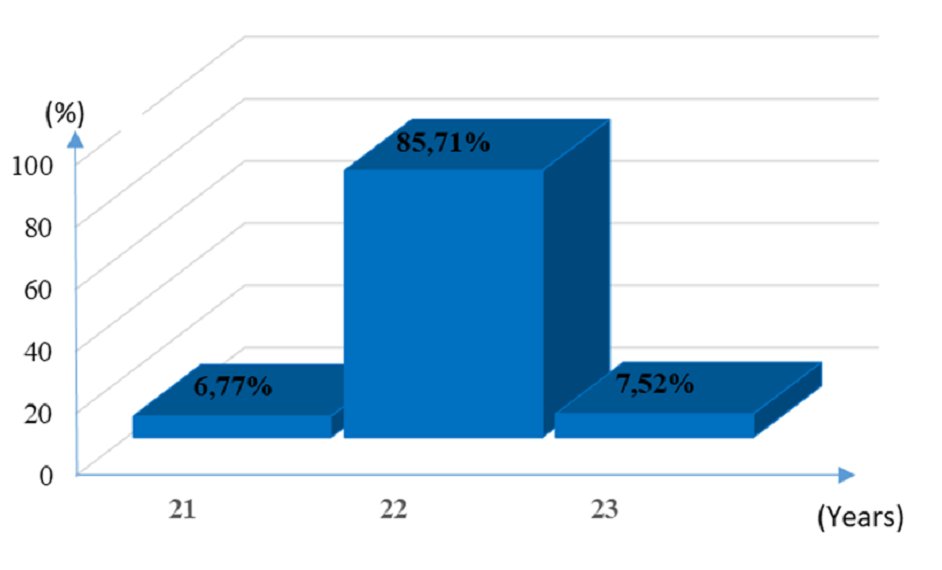

This work is licensed under a Creative Commons Attribution-NonCommercial-NoDerivatives 4.0 International License.
Are Future Health Workers Protected? A Cross-Sectional Study of SARS-CoV-2 Infection Control Practices Among Clinical Students at the University of Zimbabwe
Pfupajena Barbara1, Ndaimani Augustine2, Doreen Mukona3, Maxwell Mhlanga4
- Department of Primary Health Sciences, Faculty of Medicine and Health Sciences, University of Zimbabwe, Harare, Zimbabwe.
- Center for Nursing and Midwifery, University of Global Health Equity, Kigali, Rwanda.
- Fatima College of Health Sciences, Department of Nursing, Ajman, United Arab Emirates
- Department of Humanities and Social Medicine, University of Global Health Equity, Kigali, Rwanda
* Corresponding author: Maxwell Mhlanga., Department of Humanities and Social Sciences, University of Global Health Equity. Rwanda. E-mail: mmhlanga@ughe.org
Cite this article
ABSTRACT
Background: SARS-CoV-2 poses a persistent occupational risk to healthcare workers (HCWs) and, by extension, to health professions students undertaking clinical placements. Undergraduate clinical students represent a bidirectional transmission risk potentially carrying infection between campus and clinical environments, yet their specific infection prevention and control (IPC) practices remain poorly characterised in sub-Saharan African academic settings. This study examined IPC practices among health professions students at the University of Zimbabwe during the active phase of the COVID-19 pandemic.
Methods: An analytical cross-sectional survey was conducted between April and July 2021 at the University of Zimbabwe's Faculty of Medicine and Health Sciences. Using convenience lottery sampling, 320 undergraduate health professions students were enrolled. Data were collected via a researcher-administered structured questionnaire the Clinical Student IPC Practices Questionnaire (CSIPQ) comprising 38 items across five domains: (1) hand hygiene, (2) medical mask use, (3) personal protective equipment (PPE) use, (4) scrubs and clinical wear management, and (5) community IPC conduct. The manuscript was prepared in accordance with the STROBE Statement checklist for cross-sectional observational studies.
Results: The cohort comprised 320 frontline clinical students, predominantly young adults aged 20-25 years (95.3%) with a male preponderance (65.0%). Participants were drawn from five clinical programmes, with Medicine and Surgery (35.6%) and Nursing Science (28.8%) representing the largest groups, and half were in their fourth year of study, indicating advanced clinical exposure.
The prevalence of optimal IPC practice was critically low across all clinical domains: medical mask use (0.6%), PPE use (0.3%), and handwashing (15.3%). Significant associations were observed between handwashing and degree programme (p=0.002) and age (p<.0001). No significant demographic or academic associations were identified for mask use or PPE use, indicating that deficits were uniformly distributed across the cohort.
Conclusion: While specific student demographics were associated with better hand hygiene, near-universal gaps in PPE and medical mask use indicate a systemic failure transcending individual characteristics. Transformative, competency-based IPC education, resource security, and institutional safety culture reform are urgently needed to protect future health professionals and their patients.
Keywords: Health Professions Students; Infection Control; Hand Hygiene; Personal Protective Equipment; COVID-19; Cross-Sectional Studies; Zimbabwe.
INTRODUCTION
The Coronavirus Disease 2019 (COVID-19) pandemic, declared by the World Health Organization (WHO) in March 2020, has posed an unprecedented threat to global health systems, with health care workers (HCWs) bearing a disproportionate burden of infection and mortality [1]. HCWs face a significantly elevated risk, with studies indicating they are over three times more likely to contract SARS-CoV-2 than the general public [2]. This vulnerability extends to trainee HCWs, clinical students who operate at the critical nexus of academic and healthcare settings. As essential participants in patient care, these students are exposed to both community and occupational transmission risks, yet their specific infection prevention and control (IPC) practices remain an underexplored determinant of personal and patient safety [3].
Infection prevention and control (IPC) is the cornerstone of pandemic response, defined by WHO as a practical, evidence-based approach to preventing avoidable infections in patients and health workers [1]. Core non-pharmaceutical interventions, including hand hygiene, respiratory etiquette, and the correct use of personal protective equipment (PPE), are universally acknowledged as critical for breaking chains of transmission [4]. However, adherence to these protocols is influenced by a complex interplay of knowledge, resource availability, institutional policy, and sociodemographic factors [5]. In low-resource settings, which characterize much of sub-Saharan Africa, challenges such as PPE shortages, high-density living conditions, and financial constraints on students can severely compromise ideal IPC practice [6].
Although the WHO declared the end of the COVID-19 public health emergency of international concern on 5 May 2023, SARS-CoV-2 continues to circulate globally and poses an ongoing risk, particularly to elderly individuals and those with comorbidities or disabilities [7]. Furthermore, the clinical sequelae of infection extend beyond the acute phase: Long COVID characterised by persistent fatigue, cognitive impairment, dyspnoea, and multi-system dysfunction lasting weeks to months after infection represents a significant individual and societal burden that reinforces the continued importance of robust IPC practices among all healthcare workers [6].
Vaccination constitutes a primary prevention strategy against SARS-CoV-2 transmission and severe disease. However, studies among nurses and nursing students have identified significant vaccination hesitancy, influenced by social media exposure, misinformation, and attitudinal factors underscoring that immunisation alone is insufficient and must be complemented by strong IPC practice competencies [8 -10].
The context of higher education introduces unique vulnerabilities. Universities are high-density, mobile environments where large gatherings and shared facilities can accelerate outbreaks [11]. When clinical students rotate through healthcare facilities, they become potential bidirectional vectors of SARS-CoV-2, capable of carrying infection from campus to clinic and vice versa [12]. This risk is not merely theoretical; reports from Zimbabwe have documented significant COVID-19 outbreaks among student nurse cohorts within major teaching hospitals [9]. Despite regional and national commitments to strengthen IPC training and PPE provision, compliance gaps persist, suggesting that global guidelines may not adequately address the contextual realities of resource-limited academic and clinical environments [13].
Importantly, the psychological burden of the pandemic on health professions students must be acknowledged. COVID-19 phobia, academic exhaustion, and social isolation have been associated with increased dropout intention among nursing and health sciences students [14]. Fear of infection can erode students' confidence in clinical environments, contributing to burnout and attrition from health workforce training pipelines further amplifying the importance of adequately protecting students through robust IPC systems.
This study therefore aims to examine SARS-CoV-2 IPC practices among clinical students at the University of Zimbabwe, Faculty of Medicine and Health Sciences. By identifying strengths, gaps, and associated factors, this research seeks to inform targeted, context-specific interventions to better protect future healthcare professionals and the communities they serve.
Objective
The purpose of this study is to assess SARS-CoV-2 Infection Prevention and Control (IPC) practices among undergraduate health professions students specifically those enrolled in Medicine and Surgery, Nursing Science, Physiotherapy, Occupational Therapy, and Radiography at the University of Zimbabwe who had commenced clinical placements.
MATERIALS AND METHODS
Study Setting and Design
This was an analytical cross-sectional survey, prepared in accordance with the STROBE Statement checklist for cross-sectional observational studies [15]. The study was conducted at the University of Zimbabwe, Faculty of Medicine and Health Sciences the oldest and most prestigious university in Zimbabwe, with an enrolment of over 17,000 undergraduate students. The Faculty comprises approximately 23 teaching departments, one School of Pharmacy, and an Institute of Continuing Health Education, offering programmes including Medicine, Dentistry, Pharmacy, Nursing Science, Medical Laboratory Sciences, Rehabilitation, Radiology, and Health Education and Health Promotion. Data were collected between April and July 2021, over 30 weekday data collection sessions. The survey was administered as a researcher-administered, in-person, paper-based questionnaire.
Study Population
The target population comprised undergraduate health professions students who had commenced clinical placements. Eligible year groups were: Years 3–5 for Medicine and Surgery (clinical rotations beginning in Year 3), and Years 2–4 for Nursing Science, Physiotherapy, Occupational Therapy, and Radiography (clinical placements beginning in Year 2). It is important to note that not all eligible students were included participation was opportunity-based, as described below.
Sample Size Determination
The sample size was calculated using Cochran’s formula with finite population correction. The target population consisted of approximately 4,000 undergraduate clinical students. A 95% confidence level (Z = 1.96) and a 5% margin of error (e = 0.05) were selected.
Because no institutional data were available on infection prevention and control (IPC) practices among clinical students, we used an expected prevalence of 30% for “good IPC practices.” This value was informed by previous studies among health professions students in sub‑Saharan Africa, which consistently report low-to-moderate adherence to IPC measures. Banda et al. (2023) found that fewer than one‑third of pharmacy students in Zambia demonstrated good IPC practices [16]; Olum et al. (2020) reported similarly modest practice levels among Ugandan medical students [17]; and Sethi et al. (2021) observed that good IPC practices among Nigerian health professions students generally ranged between 30% and 40% [18]. These findings support the use of p = 0.30 for planning purposes.
Using Cochran’s formula for an infinite population:
Applying the finite population correction for N = 4000:
Thus, the minimum required sample size was 299 participants.
To ensure that this minimum would be met after accounting for non‑response and incomplete questionnaires, we applied a planned inflation about 7%. Therefore, the target sample size was set at 320 students.
Sampling
Convenience lottery sampling was used to select 320 health professions students. During lunchtime sessions in a student common area frequented by students from all eligible programmes, eligible students who were present were invited to draw a card labelled 'Yes' or 'No' from a container (with replacement). Students who drew a 'Yes' card were enrolled until the required sample size was reached. To minimise duplication, all approached students were asked whether they had previously completed the questionnaire; those confirming prior participation were not re-enrolled. No formal participant tracking log was maintained, which is acknowledged as a limitation. Because participation was opportunity-based at lunchtime, students on afternoon clinical rotations or off-campus placements on sampled days were less likely to be represented, constituting a potential source of selection bias.
Eligibility Criteria
The study included all students currently enrolled at the University of Zimbabwe, Faculty of Medicine and Health Sciences, in the fields of Medicine, Nursing Science, Physiotherapy, Occupational Therapy, or Radiography, and who had attended at least one clinical placement since the onset of the COVID-19 pandemic. Students who had experienced prior COVID-19 illness were excluded, as their practices may have been influenced by prior infection experience.
Data Collection
Data were collected over 30 weekday lunchtime sessions between April and July 2021, in the student common area at the University of Zimbabwe, Faculty of Medicine and Health Sciences. Two trained research assistants, supervised by the principal investigator, administered the structured paper questionnaire in person and were available to address any technical difficulties or survey-related questions. No identifying information appeared on completed questionnaires, which were stored in a lockable cabinet accessible only to the research team.
Measurement/Instrument
A single structured questionnaire the Clinical Student IPC Practices Questionnaire (CSIPQ) was used for data collection. The instrument was developed deductively, drawing on the WHO IPC Framework (2020) and the CDC COVID-19 Infection Control Guidance (2021) as theoretical frameworks, and incorporating items adapted from three peer-reviewed questionnaire-based studies on IPC practices among healthcare workers and students [19]; Hossain et al. 2021 [20]; Olum et al. 2020 [17]). A supplementary table listing the reviewed source studies and the elements adapted from each is provided.
The CSIPQ comprised 38 items across two sections: the first section captured four demographic variables (age, sex, degree programme, academic year); the second section contained 38 behavioural items across five IPC domains: hand hygiene (5 items), medical mask use (6 items), PPE use (8 items), scrubs and clinical wear management (7 items), and community IPC conduct (8 items). Items used binary Yes/No responses for frequency-of-behaviour questions and 5-point Likert-type frequency scales (Never to Always) for behavioural habit items. 'Optimal practice' within each domain was defined a priori as consistently endorsing all behaviours within that domain consistent with WHO IPC recommendations.
Content validity was assessed by a panel of three subject-matter experts (two infection control practitioners and one nursing education specialist) prior to the pilot study. A Content Validity Index (CVI) of 0.88 was achieved, and two items were revised based on expert feedback. The CSIPQ demonstrated strong content validity, with Item-Level Content Validity Indices (I-CVIs) ranging from 0.83 to 1.00 and a Scale-Level Content Validity Index (S-CVI/Ave) of 0.94, confirming excellent relevance and clarity of the items as assessed by the expert panel. To ensure clarity, relevance, and face validity, the instrument was pre-tested with 10 students at the University of Zimbabwe who met the inclusion criteria (mixed programme composition, minimum Year 2 with clinical exposure); their data were excluded from the main analysis.
The internal consistency of the tool was evaluated using Cronbach's alpha (α = 0.82), indicating acceptable reliability.
Data Analysis
Data were analysed using the Statistical Package for Social Sciences (SPSS) version 22. Descriptive statistics including absolute frequencies, relative frequencies (percentages), and 95% confidence intervals for proportions (Wilson score method) were used to describe demographic characteristics and adherence to IPC practices across all five domains. The chi-square test or Fisher's Exact Test (where cell counts were <5) was used to examine associations between demographic and academic variables and IPC practice categories.
For the handwashing outcome where prevalence was 15.3% (n ≈ 41 events) Poisson regression with robust variance estimation was performed to estimate crude Prevalence Ratios (PR) and Adjusted Prevalence Ratios (aPR), with 95% confidence intervals (CI) and p-values. This method is appropriate for common outcomes and avoids the overestimation of relative risk inherent in logistic regression.
For the medical mask use outcome (prevalence 0.6%; n = 2 events) and the PPE use outcome (prevalence 0.3%; n = 1 event), the extremely low event counts precluded reliable regression modelling due to risks of quasi-complete separation and model non-convergence. For these outcomes, Fisher's Exact Test was used for subgroup comparisons, as recommended for sparse data. In addition, directly calculated unadjusted Prevalence Ratios (simple relative risks computed directly from 2×2 tables, not model outputs) are reported as descriptive effect measures to communicate the uniformity of deficits across subgroups. These directly calculated PRs are mathematically valid regardless of outcome prevalence and are presented for descriptive completeness only, with their limitations explicitly acknowledged in table footnotes. All tests were two-sided; p < 0.05 was considered statistically significant.
Ethical Considerations
The study received ethical approval on 14 June 2021 from the Joint Research Ethics Committee of Parirenyatwa Group of Hospitals and the University of Zimbabwe Faculty of Medicine and Health Sciences (JREC Ref 243/2021).
Written informed consent was obtained from all participants before enrolment. Confidentiality was maintained by anonymising participant data, and access was restricted to authorised researchers.
RESULTS
Socio-demographic characteristics of participants
The demographic characteristics of the 320 frontline clinical students are summarised in Table 1. The cohort was predominantly young, with 95.3% (n=305) aged 20–25 years, and predominantly male (65.0%, n=208). Students were drawn from five clinical programmes, with Medicine and Surgery (35.6%, n=114) and Nursing Science (28.8%, n=92) comprising the largest groups. Half of the participants (50.0%, n=160) were in their fourth academic year, indicating advanced clinical exposure.
Variable Frequency Percentage Age range 20-25 305 95.3 26-30 14 4.4 31-35 1 0.3 Sex Male 208 65.0 Female 112 35.0 Degree Programme Medicine and Surgery 114 35.63 Nursing Science 92 28.75 Occupational Therapy 10 3.13 Physiotherapy 54 16.88 Radiotherapy 50 15.63 Academic year Second 64 20.0 Third 64 20.0 Fourth 160 50.0 Fifth 32 10.0 Total 320 100.0 Table 1. Demographic characteristics of frontline college students (n = 320)
Adherence to specific Infection Prevention and Control (IPC) measures was variable (Table 2). While foundational practices after exposure risks were near-universal, such as hand hygiene after contact with body fluids (99.4%) and consistent mask-wearing in clinical areas (98.1%), critical procedural precautions demonstrated significant gaps.
Less than half of students reported optimal handwashing between patients (53.1%) or before aseptic procedures (88.1%), and only 26.9% consistently used N95 respirators during aerosol-generating procedures.
In community settings, personal hygiene was prioritized (77.5%), but avoidance of high-risk activities like public transport (9.1%) and social gatherings (27.2%) was low.
Frequency Percentage Handwashing Before and after touching a patient 205 64.1 Wash hands with soap for at least 20 seconds 114 35.6 Before aseptic procedures 282 88.1 After contact with body fluids 318 99.4 Between Patients 170 53.1 Consistent use of a medical mask Always wear a mask when in the clinical area 314 98.1 Always remove when feeding but wear a new one before resuming my shift 40 12.5 Never pull my mask down to rest around my chin 80 25.0 I never wear a single mask for more than one day 62 19.3 I have never washed or reused a surgical mask 194 60.6 Always wear an N95 respirator when participating in aerosol-producing procedures 86 26.9 Use of §PPE Always wash/disinfect my hands before gloving 105 32.8 Always change gloves between patients 264 82.5 Use two pairs of gloves for routine procedures 91 28.4 Always wear goggles whenever there is risk of splashes from bodily fluids 99 30.9 Always wear an apron/gown if there is risk of splashes from bodily fluids 168 52.5 Always remove gown and apron whenever I leave ward 240 75.0 Always put on fresh §PPE gown, apron whenever I return to the clinical area from breaks or errands 102 31.9 Always use separate shoes for inside and outside the clinical area 47 14.7 Use of scrubs Always wash my scrubs/white coat after each use 73 22.8 Always wash my scrubs/white coat immediately after use 26 8.1 Always store my scrubs/white coat separately in a tightly sealed plastic bag until I can wash them 39 12.2 I always wash my scrubs/white coat separate from other clothes 106 33.1 Always wash my scrubs/white coat in hot water 11 3.4 I use disinfectant when washing my scrubs/white coat 59 18.4 Never visit common areas around campus (the library, canteen, class) in my scrubs/white coat 89 27.8 IPC practices in the community Always pay closer attention to personal hygiene 248 77.5 Always avoid public transport 29 9.1 Always use soap and water or use an alcohol-based disinfectant for hand washing 243 75.9 Always wash/disinfect my hands after leaving public space 160 50.0 I stay at home as much as possible 103 32.2 I avoid shaking hands when greeting others 138 43.1 I avoid hugging when greeting others 77 24.1 I avoid social gatherings 87 27.2 § PPE – personal protective equipment
Table 2. Infection Prevention and Control (IPC) practices of frontline health students (N=312).
The prevalence of comprehensive adherence to core IPC protocols was critically low across all domains (Table 3). The proportion of students demonstrating optimal practice was highest for community conduct (28.8%, 95% CI: 24.0–34.0), yet fell markedly for essential clinical practices: handwashing (15.3%, 95% CI: 11.8–19.7) and scrubs management (11.6%, 95% CI: 8.5–15.6). The prevalence of correct PPE and medical mask use was exceptionally low, at 0.3% (95% CI: 0.04–2.2) and 0.6% (95% CI: 0.2–2.5) respectively, with confidence intervals indicating these deficits are not due to chance.
Variable Proportion (%)
95% Confidence Interval Lower limit Upper limit Handwashing 15.31 11.75 19.71 Mask Use 0.63 0.16 2.48 PPE Use 0.31 0.043 2.21 Scrubs 11.56 8.48 15.58 Community IPC conduct 28.75 24.03 33.98 Table 3. Prevalence of PPE Use
A composite analysis of optimal Infection Prevention and Control (IPC) practice revealed critically low adherence across all clinical domains (Figure 1).
Figure 1. Number of students who performed optimally on different aspects of IPC
The prevalence of optimal practice was highest for community conduct (28.8%), yet remained below one-third of the cohort. Adherence was markedly lower for essential clinical safeguards: only 15.3% of students demonstrated optimal handwashing, and 11.6% adhered to proper scrubs management. Most alarmingly, the proportion of students performing optimally in correct PPE use (0.3%) and medical mask use (0.6%) was negligible, indicating a near-universal failure to implement these fundamental protective measures.
Association and Regression Analyses by IPC Domain
Mask Use
The analysis of factors associated with optimal mask use revealed no evidence of association between mask use and any demographic or academic subgroup (Table 4).
Variable Frequency *(%) PR (95%CI) aPR (95%CI) p-value Age range 20-25 303 (95.28) Ref. Ref. 26-30 14 (4.40) 1.00 (0.69; 1.46) 1.00 (0.996; 1.01) 0.32 31-35 1 (0.31) 1.00 (0.25; 4.01) 1.01 (0.99; 1.03) 0.31 Sex Female 206 (64.78) Ref. Ref. Male 112 (35.22) 0.996 (0.85; 1.17) 0.99 (0.98; 1.01) 0.31 Degree Programme Medicine and Surgery 113 (35.53) Ref. Ref. Nursing Science 92 (28.93) 0.99 (0.82; 1.21) 0.996 (0.99; 1.00) 0.32 Occupational Therapy 10 (3.15) 1.00 (0.37; 2.69) 1.00 (0.995; 1.00) 0.99 Physiotherapy 54 (16.98) 1.00 (0.80; 1.26) 1.00 (0.998; 1.00) 0.37 Radiotherapy 49 (15.41) 1.00 (0.79; 1.27) 1.00 (0.998; 1.00) 0.55 Academic year Second 64 (20.13) Ref. Ref. Third (19.81) 1.01 (0.79; 1.29) 1.01 (0.99; 1.02) 0.31 Fourth 159 (50.00) 1.01 (0.82; 1.24) 1.01 (0.99; 1.02) 0.31 Fifth 32 (10.06) 1.01 (0.75; 1.36) 1.01 (0.99; 1.02) 0.31 * Row percentage 50% with suboptimal mask use were in fourth year
Table 4. Characteristics associated with mask use among frontline students.
Fisher's Exact Test showed no significant difference in the distribution of the single optimal-mask-use event across sex, degree programme, or academic year categories (all p > 0.30). Directly calculated unadjusted PRs for all categories approximated 1.00, with 95% confidence intervals crossing the null value, confirming that the critically low prevalence of optimal mask use (0.6%) was uniformly distributed across the cohort. No multivariable adjustment was performed given the insufficient event count (n = 2 events).
Handwashing
The analysis of factors associated with optimal handwashing practice revealed significant associations with specific degree programmes. After adjustment, Occupational Therapy students had a significantly higher prevalence of optimal handwashing compared to Medical students (aPR = 1.08, 95% CI: 1.03–1.14; p = 0.002). A borderline significant association was also observed for Radiotherapy students (aPR = 1.06, 95% CI: 1.001–1.12; p = 0.046). No significant associations were observed for sex or academic year. For the age group 31–35 years, the aPR was 0.55 (95% CI: 0.52–0.58; p < 0.0001), though this estimate is based on a single participant and should be interpreted with extreme caution.
Variable Frequency (%) PR (95%CI) aPR (95%CI) p-value Age range 20-25 259 (95.57) Ref. Ref. 26-30 12 (4.43) 1.00 (0.67; 1.49) 1.06 (0.93; 1.20) 0.40 §31-35 0 (0.00) 0.54 (0.08; 3.85) 0.55 (0.52, 0.58) 0.00 Sex Female 176 (64.94) Ref. Ref. Male 95 (35.06) 1.00 (0.85; 1.19) 0.98 (0.93; 1.03) 0.48 Degree Programme Medicine and Surgery 97 (35.79) Ref. Ref. Nursing Science 72 (26.57) 0.96 (0.79; 1.18) 0.96 (0.89; 1.03) 0.220 § Occupational Therapy 7 (2.59) 1.08 (0.40; 2.91) 1.08 (1.03; 1.14) 0.002 Physiotherapy 47 (17.34) 1.01 (0.83; 1.35) 0.99 (0.93; 1.06) 0.85 §Radiotherapy 48 (17.71) 1.06 (0.83; 1.35) 1.06 (1.001; 1.12) 0.046 Academic year Second 52 (19.19) Ref. Ref. Third 54 (19.93) 1.02 (0.79; 1.31) 0.97 (0.89; 1.06) 0.49 Fourth 140 (51.66) 1.03 (0.83; 1.28) 1.00 (0.94; 1.07) 0.93 Fifth 25 (9.23) 0.98 (0.72; 1.35) 0.94 () 0.31 * Used row percentages; § Statistically significant association
Table 5. Characteristics associated with suboptimal handwashing
PPE Use
The analysis of factors associated with optimal PPE use showed no significant associations with any demographic or academic variable. Fisher's Exact Test showed no significant difference across any subgroup (all p > 0.30). Directly calculated unadjusted PRs approximated 1.00 with confidence intervals crossing the null, consistent with the interpretation that the critically low prevalence of optimal PPE use (0.31%) was uniformly distributed across the cohort irrespective of student characteristics. No multivariable adjustment was performed given the single-event outcome (n = 1 event).
Variable
Frequency (%)
PR (95%CI)
aPR (95%CI)
p-value
Age range
20-25
304 (95.30)
Ref.
Ref.
26-30
14 (4.39)
1.00 (0.69; 1.46)
1.00 (0.996; 1.01)
0.32
31-35
1 (0.31)
1.00 (0.25; 4.01)
1.00 (0.99; 1.03)
0.31
Sex
Female
208 (65.20)
Ref.
Ref.
Male
111 (34.80)
0.996 (0.85; 1.17)
0.99 (0.98; 1.01)
0.31
Degree Programme
Medicine and Surgery
114 (35.74)
Ref.
Ref.
Nursing Science
91 (28.53)
0.99 (0.82; 1.21)
0.996 (0.99; 1.00)
0.32
Occupational Therapy
10 (3.14)
1.00 (0.37; 2.69)
1.00 (0.995; 1.00)
0.99
Physiotherapy
54 (16.93)
1.00 (0.80; 1.26)
1.00 (0.998; 1.00)
0.37
Radiotherapy
50 (15.67)
1.00 (0.79; 1.27)
1.00 (0.998; 1.00)
0.55
Academic year
Second
63 (19.75)
Ref.
Ref.
Third
64 (20.06)
1.01 (0.79; 1.29)
1.01 (0.99; 1.02)
0.31
Fourth
160 (50.16)
1.01 (0.82; 1.24)
1.01 (0.99; 1.02)
0.31
Fifth
32 (10.03)
1.01 (0.75; 1.36)
1.01 (0.99; 1.02)
0.31
*Used row percentages
Table 6. Characteristics associated with PPE use among frontline students. (AIC=2.68)
In addition, we wish to clarify that the statistical validity of the analysis was not compromised by the missing responses. The minimum required sample size, based on our calculation, was 299 participants. The study targeted 320 students, incorporating an anticipated 7% non‑response rate to ensure that the analytic sample would remain above this threshold. Although eight participants did not complete all questionnaire items, the resulting analytic sample sizes (ranging from 312 to 319 across tables) remained well above the minimum requirement. Therefore, the effective analytic sample remained above the minimum required threshold in all tables, ensuring that no sample‑size–related bias was introduced into the analysis.
DISCUSSION
This cross-sectional study assessed SARS-CoV-2 IPC practices among undergraduate health professions students including Medical, Nursing, Physiotherapy, Occupational Therapy, and Radiography students at the University of Zimbabwe. Few global studies have explored this topic specifically among health professions students in sub-Saharan African contexts, and several have reported suboptimal adherence [11–15]. The present study found a similar pattern, with near-universal deficits in high-stakes clinical IPC practices.
Infection Prevention and Control Practices Among Frontline College Students
Hand Hygiene
Hand hygiene was evaluated using WHO's five key moments for handwashing. Students reported high overall compliance especially when at risk of contact with blood or body fluids (99.4%). However, compliance was lowest (32.8%) before and after wearing gloves. Only 36% of students washed their hands with soap for at least 20 seconds.
This pattern suggests a positive correlation between perceived infection risk and hand hygiene compliance. Fuller and colleagues, in their study "The Dirty Hand in the Latex Glove," found hand hygiene compliance decreased by 9% when gloves were worn, supporting our finding [21]. A common misconception exists that gloves are a full substitute for hand hygiene. A similar study found that 38% of medical students were unsure of proper hand hygiene practices when gloves were used [22. In our study, medical and nursing students scored highest on IPC, possibly due to their increased exposure to procedures requiring aseptic techniques.
Being an occupational therapy student was associated with an 8% increase in suboptimal hand hygiene (aPR = 1.08, p < 0.001), likely due to fewer opportunities for performing aseptic procedures. Age also played a role: students aged 31–35 were 45% less likely to demonstrate suboptimal handwashing (aPR = 0.55, p < 0.001), possibly due to greater clinical experience and professional training.
Mask Use
While 98.1% reported wearing masks in clinical areas, only 39.4% used them correctly. A significant proportion (75%) rested masks around their chins while eating or drinking, only 12.5% changed masks between breaks, and 80.7% reused single-use masks. Alarmingly, 39.4% washed and reused disposable masks, similar to findings in Ethiopia where the median duration of single-use mask wear was six days [23]. This contrasts with findings from Poland, where only 24.3% reused single-use masks [24], likely reflecting economic disparities. No demographic variable significantly influenced mask use.
Personal Protective Equipment (PPE)
Consistent PPE use in clinical settings was reported by only 35% of students, higher than the 24.2% reported in a Bangladeshi study [24]. Stockouts and discomfort were identified as barriers, consistent with findings from Tirivavi and others [25]. Proper donning and doffing were practiced by 53.5% of participants, comparable to the Bangladesh study (59.8%), suggesting knowledge gaps in correct PPE use [26]. Reuse of protective gowns was common (68.1%), often due to stockouts.
Fourth-year students had the highest rate of good IPC practices (48.8%; p = 0.02), possibly due to increased clinical exposure. Paradoxically, fifth-year students had the lowest scores (6.9%; p = 0.02). Nursing science students recorded the highest proportion of good IPC practices (34.4%; p = 0.05), likely due to more frequent patient contact and higher perceived infection risk.
This category had the lowest IPC compliance, with only 5.6% reporting consistent practice. Few students washed clinical wear after use (22.8%), washed it separately (33.1%), or used disinfectant soap (18.4%). These figures are lower than those reported in Saudi Arabia, where over half of dental students washed white coats after each use [27]. Limited access to running water in Zimbabwe may explain the low compliance.
Despite low hygiene, 72.2% reported visiting common areas in scrubs/white coats, citing inconvenience in changing attire during short breaks. Demographic variables did not significantly affect white coat/scrub hygiene.
IPC Practices in the Community
Most participants (77.5%) reported improved personal hygiene since the pandemic began, similar to Jordanian medical students (84%) [28]. However, fewer reported increased handwashing (50% vs. 87%), social distancing (24.1% vs. 70%), or avoiding handshakes (43.1% vs. 68.3%). These differences may reflect perceived infection risk and prior experiences with outbreaks. Jordan, having faced SARS (2012) and MERS (2015), recorded higher COVID-19 incidence than Zimbabwe in 2021 (73,305 vs. 4,136 cases/million) [29].
Proximity to the outbreak epicenter also seems to matter. In China’s Henan province, close to Wuhan, 89.7% of healthcare workers adhered to proper IPC [13], while in Ethiopia, compliance was lower at 38.7% [22]. Cultural norms, lockdown enforcement, and public health messaging may explain these differences.
In this study, gender, academic year, and degree program were significant. Female students had better community IPC practices than males (71.4% vs. 28.6%; p = 0.02), consistent with findings from Pakistan [30]. Women are often more hygiene-conscious and socialized to follow rules [31].
Fourth-year students again showed better community IPC practices (41.0%; p = 0.00), a trend supported by studies in Uganda showing older students and health trainees had better IPC compliance [32-33]. Nursing students also had the best community IPC scores (37.3%; p = 0.02), consistent with findings from Ethiopia, where nurses outperformed other healthcare workers in IPC adherence.
Study Implications for Nursing Practice
The findings of this study yield several critical implications for nursing education, clinical training, and institutional policy:
- Targeted IPC Curriculum Integration: The severe deficits in PPE use (0.3%) and medical mask protocols (0.6%) which showed no association with student demographics—point to a universal training failure. Nursing curricula must move beyond theoretical knowledge to include mandatory, simulation-based competency training on the correct donning, doffing, and disposal of PPE. This training should be standardized, recurrent, and include objective assessment before students enter clinical placements.
- Contextualized Education on Resource-Limited Practice: The high rates of PPE reuse and suboptimal scrubs hygiene, heavily influenced by stockouts and lack of facilities, require a pragmatic educational approach. Nursing education should explicitly address IPC adaptations and safety-conscious improvisation for low-resource settings, equipping students to make informed risk assessments without compromising core safety principles.
- Leveraging Professional Socialization and Role Modeling: The finding that Nursing students consistently demonstrated comparatively better IPC practices underscores the potential of professional socialization. Clinical training should intentionally leverage positive peer influence and ensure nursing preceptors exemplify impeccable IPC adherence, as students in high-exposure roles (like nursing) are pivotal in establishing safety norms for interprofessional teams.
- Institutional Accountability for a Safe Learning Environment: The uniform lack of association between student factors and critical IPC failures shifts the onus to institutions. Nursing schools and their affiliated healthcare facilities must co-develop and enforce clear policies guaranteeing consistent access to essential IPC materials (soap, water, PPE) for students. Creating a safety culture where students are not penalized for refusing unsafe assignments due to lack of equipment is paramount.
- Bridging the Community-Clinical IPC Gap: The disparity between higher community hygiene awareness and poor clinical-specific practice indicates a compartmentalization of knowledge. Nursing education should explicitly connect community-based prevention with clinical infection control, framing both as integral components of the professional role. This holistic approach can foster the consistent, context-independent application of IPC principles.
Future research should include: (1) longitudinal studies tracking IPC competency development across clinical years; (2) observational studies using direct observation to validate self-reported practices; (3) intervention trials evaluating simulation-based IPC training programmes in low-resource African settings; and (4) multi-institutional comparative studies across Zimbabwe and sub-Saharan Africa to establish generalisable baseline data for IPC preparedness among future health professionals.
Study Limitations
Several limitations of this study must be acknowledged. First, the cross-sectional design and reliance on self-reported practices limit causal inference and carry risk of social desirability bias; reported adherence likely overestimates actual compliance, which would be better captured by direct observation. Second, the convenience lottery sampling method whereby students self-selected into a common area during lunchtime does not guarantee equal probability of inclusion across all eligible students; those on off-campus rotations or afternoon practicals were likely underrepresented, and no formal mechanism was employed to detect participation bias. Third, data were collected from a single institution, limiting generalisability to other health training institutions in Zimbabwe and the region. Fourth, important potential confounders including prior IPC training quality, individual risk perception, specific clinical rotation exposures, and PPE availability during the survey period were not measured. Fifth, the Clinical Student IPC Practices Questionnaire (CSIPQ) underwent reliability testing (Cronbach's α = 0.82) but was not subjected to construct validation through exploratory or confirmatory factor analysis; the domain structure is theoretically derived rather than empirically confirmed, and future studies should conduct full psychometric validation of the instrument. Finally, the extremely low prevalence of optimal mask use and PPE use (≤2 events each) precluded multivariable regression modelling for these outcomes; the directly calculated PRs reported for these outcomes are descriptive only and do not represent adjusted estimates.
CONCLUSION
This study reveals a paradox in IPC preparedness among future healthcare professionals at the University of Zimbabwe: while awareness of general hygiene is high, adherence to essential, high-stakes clinical protocols particularly correct PPE and medical mask use is near-universally deficient across all health professions programmes studied. Alarmingly, these critical gaps showed no association with any individual student characteristic, indicating a systemic failure transcending demographics, training year, or programme of study.
The findings underscore an urgent need to move beyond knowledge-based IPC education. Protecting the health workforce pipeline across all health professions including medicine, nursing, physiotherapy, occupational therapy, and radiography demands a transformative approach centred on mandatory simulation-based competency training, guaranteed access to essential resources, and the cultivation of an institutional safety culture where best practice is modelled, enabled, and expected. Given that nursing constitutes the largest component of the frontline clinical workforce, nursing education and professional bodies are particularly well-positioned to champion this systemic change not only in safeguarding nursing students, but in establishing IPC standards that protect patients and the wider health system against current and future infectious threats.
Funding statement
This research did not receive any specific grant from funding agencies in the public, commercial, or not for profit sectors.
Conflict of interest
The authors report no conflict of interest.
Authors’ contribution
Conceptualization: B.P. and A.N; methodology: B.P. and A.N.; software: B.P. and M.M; validation: B.P, D.N, M.M. and A.N.; statistical analysis: M.M., and A.N.; investigation: B.P.; resources: B.P. and A.N.; data curation: B.P. and M.M.; writing- original draft preparation: B.P.; writing-review and editing: A.N.; M.M and D.M; visualisation: M.M.; supervision: A.N.; projection administration: B.P.; funding acquisition: N/A. All authors have read and agreed to the published version of the manuscript.
Acknowledgements
We would want to acknowledge Management for Parirenyatwa Group of Hospitals for allowing us to carry out our research at their institution.
REFERENCES
- World Health Organization (WHO). Infection prevention and control during health care when novel coronavirus (nCoV) infection is suspected: interim guidance, 25 January 2020. Available from: https://www.who.int/publications/i/item/10665-331495
- Alao M, Durodola A, Ibrahim O, Asinobi O. Assessment of health workers' knowledge, beliefs, attitudes, and use of personal protective equipment for prevention of COVID-19 infection in low-resource settings. Adv Public Health. 2020;2020:1–9. doi:10.1155/2020/6371498
- Assefa D, Melaku T, Bayisa B, Alemu S. Knowledge, attitude and practice of health professional students towards COVID-19 prevention and control in Ethiopia. PLoS One. 2022;17(5):e0268582. doi:10.1371/journal.pone.0268582
- Centers for Disease Control and Prevention (CDC). Infection Control Guidance for Healthcare Professionals about Coronavirus (COVID-19). Atlanta: CDC; 2021. Available from: https://www.cdc.gov/coronavirus/2019-ncov/hcp/infection-control.html
- Moore D, Gamage B, Bryce E, Copes R, Yassi A. Protecting health care workers from SARS and other respiratory pathogens: Organizational and individual factors that affect adherence to infection control guidelines. Am J Infect Control. 2021;49(1):113–119. doi:10.1016/j.ajic.2020.06.213
- Dzinamarira T, Murewanhema G, Musuka G. COVID-19 prevention in Zimbabwe: a review of lessons learnt and way forward. J Community Health. 2021;46(3):668–675. doi:10.1007/s10900-020-00952-3
- Gonzalez B, Mendes TP, Pinto R, et al. Predictors of higher education dropout intention in the post-pandemic era: the mediating role of academic exhaustion. PLoS One. 2025;20(7):e0327643. doi:10.1371/journal.pone.0327643
- Erfani G, McCready J, Nichol B, et al. Identifying patterns and profiles of vaccination hesitancy among nurses for tailoring healthcare policies in the UK: a cross-sectional study. Int Nurs Rev. 2025;72(2):e13035. doi:10.1111/inr.13035
- Keisala J, Jarva E, Comparcini D, et al. Factors influencing nurses and nursing students' attitudes towards vaccinations: a cross-sectional study. Int J Nurs Stud. 2025;162:104963. doi:10.1016/j.ijnurstu.2024.104963
- Comparcini D, Simonetti V, Totaro M, et al. Clustering vaccine hesitancy and social media use of nurses and nursing students: a cross-sectional study. Appl Nurs Res. 2025;84:151976. doi:10.1016/j.apnr.2025.151976
- Walke HT, Honein MA, Redfield RR. Preventing and responding to COVID-19 on college campuses. JAMA. 2020;324(17):1727–1728. doi:10.1001/jama.2020.20027
- Wilson E, Donovan CV, Campbell M, et al. Multiple COVID-19 clusters on a university campus — North Carolina, August 2020. MMWR Morb Mortal Wkly Rep. 2020;69(39):1416. doi:10.15585/mmwr.mm6939e3
- Mpilo Central Hospital. The epidemiology and lessons of SARS‑CoV‑2, Mpilo Central Hospital, Bulawayo, Zimbabwe. Presented at: RCOG Virtual World Congress 2021; June 2021. https://www.researchgate.net/publication/352258082_The_epidemiology_and_lessons_of_SARS_CoV-2_Mpilo_Central_Hospital_Bulawayo_Zimbabwe
- Castagnetto JM, Hancco-Monrroy DE, Caballero-Apaza LM, et al. Professionalism, emotional wellbeing, and dropout intention in health professions students during the pandemic. Sci Data. 2025;12(1):1259. doi: 10.1038/s41597-025-05508-5.
- von Elm E, Altman DG, Egger M, et al. The Strengthening the Reporting of Observational Studies in Epidemiology (STROBE) statement: guidelines for reporting observational studies. J Clin Epidemiol. 2008;61(4):344-349. doi:10.1016/j.jclinepi.2007.11.008
- Mudenda S, Chizimu J, Chabalenge B, et al. Knowledge, attitude, and practices toward infection prevention and control among undergraduate pharmacy students in Zambia: findings and implications. Antimicrob Steward Healthc Epidemiol. 2023;3(1):e154. doi:10.1017/ash.2023.428
- Olum R, Kajjimu J, Kanyike AM, et al. Perspective of medical students on the COVID-19 pandemic: survey of nine medical schools in Uganda. JMIR Public Health Surveill. 2020;6(2):e19847. doi:10.2196/19847
- Sethi S, Labaran AH, Shenkut M, et al. COVID-19 knowledge and infection prevention practices among health professional students in Nigeria. J Infect Dev Ctries. 2021;15(10):1407-1414. doi:10.3855/jidc.14892
- Iliyasu G, Ogoina D, Otu AA, et al. A multi-site knowledge, attitude and practice survey of Ebola virus disease in Nigeria. PLoS One. 2021;16(1):e0244874. doi:10.1371/journal.pone.0244874
- Biesty L, Meskell P, Glenton C, et al. A QuESt for speed: rapid qualitative evidence syntheses as a response to the COVID‑19 pandemic. Syst Rev. 2020;9(1):1–6. doi:10.1186/s13643‑020‑01475‑3
- Sahiledengle B, Tekalegn Y, Woldeyohannes D. The critical role of infection prevention overlooked in Ethiopia: only one-half of health-care workers had safe practice: a systematic review and meta-analysis. PLoS One. 2021;16(1):e0245469. doi:10.1371/journal.pone.0245469
- Zhang M, Zhou M, Tang F, et al. Knowledge, attitude, and practice regarding COVID-19 among healthcare workers in Henan, China. J Hosp Infect. 2020;105(2):183–187. doi:10.1016/j.jhin.2020.04.012
- Kassie BA, Adane A, Tilahun YT, et al. Knowledge and attitude towards COVID-19 and associated factors among health care providers in Northwest Ethiopia. PLoS One. 2020;15(8):e0238415. doi:10.1371/journal.pone.0238415
- Mani NS, Budak JZ, Lan KF, et al. Prevalence of Coronavirus Disease 2019 infection and outcomes among symptomatic healthcare workers in Seattle, Washington. Clin Infect Dis. 2020;71(10):2702–2707. doi:10.1093/cid/ciaa761
- Fuller C, Savage J, Besser S, et al. 'The dirty hand in the latex glove': a study of hand hygiene compliance when gloves are worn. Infect Control Hosp Epidemiol. 2011;32(12):1194–1199. doi:10.1086/662619
- Al Kadi A, Salati SA. Hand hygiene practices among medical students. Interdiscip Perspect Infect Dis. 2012;2012:1–6. doi:10.1155/2012/579631
- Khasawneh AI, Humeidan AA, Alsulaiman JW, et al. Medical students and COVID-19: knowledge, attitudes, and precautionary measures. A descriptive study from Jordan. Front Public Health. 2020;8:253. doi:10.3389/fpubh.2020.00253
- Matusiak L, Szepietowska M, Krajewski PK, et al. The use of face masks during the COVID-19 pandemic in Poland: a survey study of 2315 young adults. Dermatol Ther. 2020;33(6):e13909. doi:10.1111/dth.13909
- Hossain MA, Rashid MUB, Khan MAS, et al. Healthcare workers' knowledge, attitude, and practice regarding personal protective equipment for the prevention of COVID-19. J Multidiscip Healthc. 2021;14:229. doi:10.2147/JMDH.S293717
- Tirivavi, E., Chikanya, V., & Mundagowa, P. T. (2019). Infection control practices associated with puerperal sepsis in Harare City Maternity Units. Central African Journal of Public Health, 5(1), 31–35. doi:10.11648/j.cajph.20190501.15
- Subramaniam, T., Loo, R. C. N., & Poovaneswaran, S. (2013). The practice of PPE amongst fourth year medical students at A&E. Where are we? International Medical Journal Malaysia (IeJSME), 7(2), 29–32. doi:10.56026/imu.7.2.29
- Aljohani Y, Almutadares M, Alfaifi K, et al. Uniform-related infection control practices of dental students. Infect Drug Resist. 2017;10:135. doi:10.2147/IDR.S126631
- Lai X, Wang X, Yang Q, et al. Will healthcare workers improve infection prevention and control behaviors as COVID-19 risk emerges and increases, in China? Antimicrob Resist Infect Control. 2020;9(1):1–9. doi:10.1186/s13756-020-00760-1
This work is licensed under a Creative Commons Attribution-NonCommercial-NoDerivatives 4.0 International License.
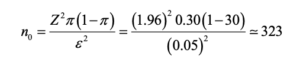
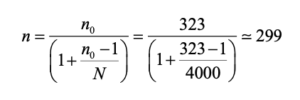
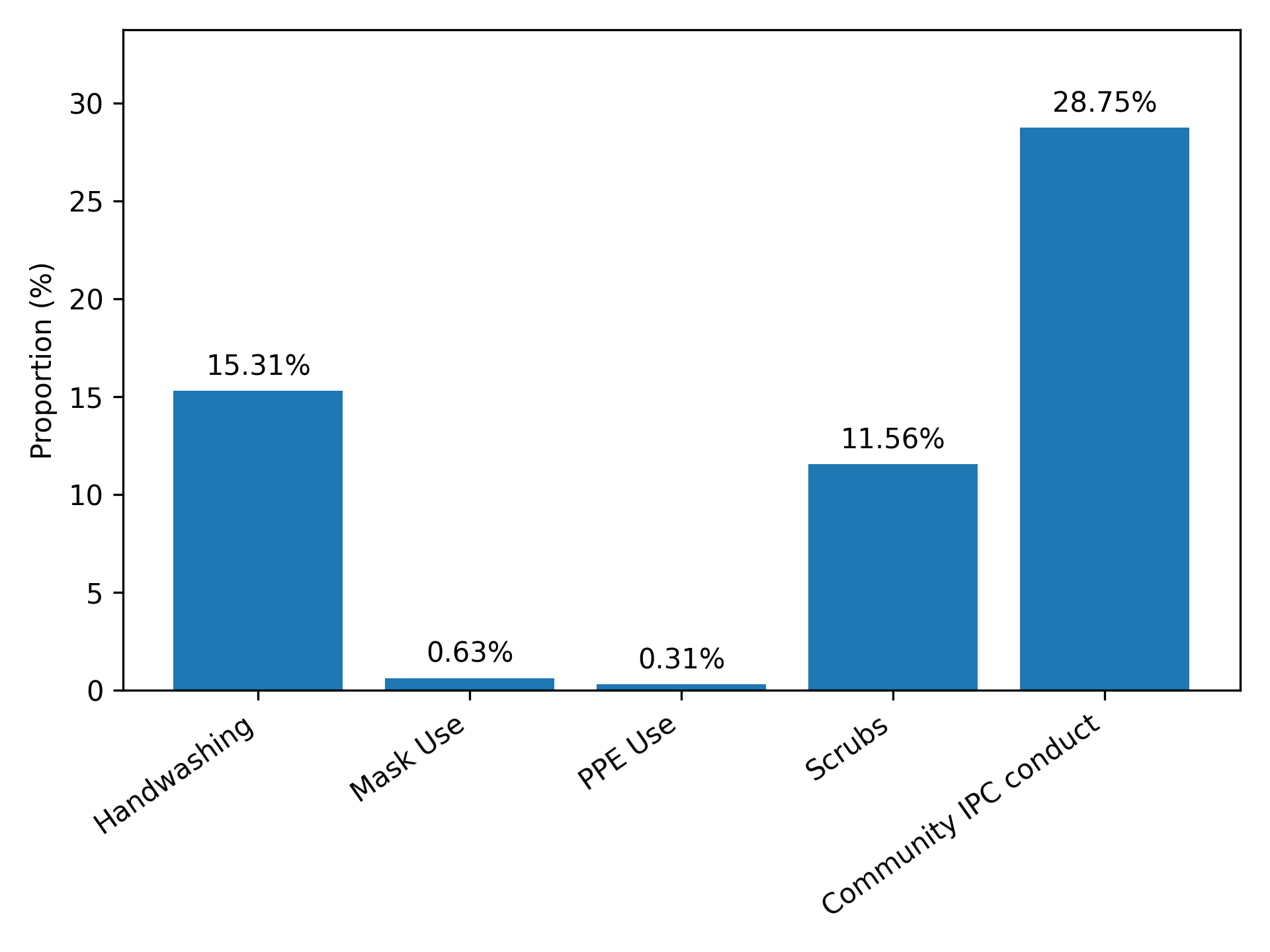
EVALUATION OF SOFT SKILLS AMONG NURSES IN A MOROCCAN PROVINCIAL HOSPITAL: A CROSS-SECTIONAL STUDY
Ahmed Ouaamr 1 2*, Naima Taramitte 2, Yassine Ben Ali 2, Mohamed Chaf 2,
Abouri Otmane 3, Siraj Adil 4, Elbouzidi Mohamed 2, Katim Alaoui 1
- Pharmacodynamics Research Team ERP, Laboratory of Pharmacology and Toxicology, Faculty of Medicine and Pharmacy, University Mohammed V in Rabat, BP 6203 Rabat, Morocco
- High Institute of Nursing Professions and Health Techniques, ISPITS, Aglou 2, BP 85000 Tiznit, Morocco
- Laboratory of Inflammatory Cellular and Molecular Physiopathology, Degenerative and Oncological, Faculty of Medicine and Pharmacy, Hassan II University of Casablanca, Casablanca, Morocco
- Faculty of Arts and Humanities, IBNZOHR AGADIR University, Morocco
* Corresponding Author: Ahmed Ouaamr, Pharmacodynamics Research Team ERP, Laboratory of Pharmacology and Toxicology, Faculty of Medicine and Pharmacy, University Mohammed V in Rabat, Morocco. E-mail: ad.bani82@gmail.com
Cite this article
ABSTRACT
Background: Soft skills underpin safe, patient-centered nursing care, yet empirical evidence describing these competencies in Moroccan provincial hospitals remains limited.
Objective: To assess soft skills levels among nurses, midwives, and health technicians at Hassan I Provincial Hospital (Tiznit, Morocco) and examine associations with sociodemographic and professional characteristics.
Results: In a census-based cross-sectional survey (15 May–3 June 2023), 77 of 113 eligible staff participated (response rate: 68.1%). Soft skills were measured using an adapted 25-item Soft Skills Questionnaire (5-point Likert scale; overall Cronbach’s α = 0.90) covering communication, emotional intelligence, management, and confidentiality. The mean overall soft skills score was 79.05 (SD = 8.69) on a 25–125 scale (scale midpoint: 75; observed range: 58–102). Communication was the strongest domain (mean = 48.52/60), whereas emotional intelligence was the lowest (mean = 8.48/15). Confidentiality showed notable gaps (mean = 16.83/30), with 31.2% reporting occasional unsafe handling of patient files. Bivariate analyses comparing low/medium/high soft skills categories did not show statistically significant differences across participant characteristics (all p > 0.05), although descriptive patterns were observed. In multivariable linear regression (outcome: overall soft skills score), higher scores were independently associated with prior soft skills training (B = 4.80; p = 0.001), greater professional experience (B = 0.45; p = 0.048), and working in departments other than the medical unit (B = 3.25; p = 0.021), while night work was associated with lower scores (B = −2.10; p = 0.034) (adjusted R² = 0.42; model p < 0.001).
Conclusion: Overall soft skills scores were slightly above the scale midpoint, with strengths in communication but weaknesses in emotional intelligence and confidentiality practices. Structured continuing professional development—especially targeted soft skills training—along with supportive organizational measures may strengthen non-technical competencies and improve quality of care in Moroccan provincial hospitals.
Keywords: soft skills; non-technical skills; nurses; communication; emotional intelligence; confidentiality; management; Morocco.
INTRODUCTION
Nursing professionals are indispensable pillars of healthcare delivery systems worldwide. Beyond their essential technical and clinical expertise, nurses require a robust set of interpersonal and cognitive competencies, collectively termed soft skills, to deliver holistic, patient-centered care [1,2]. These skills encompass effective communication, emotional intelligence, leadership and management capabilities, and strict adherence to confidentiality protocols, all of which profoundly influence patient satisfaction, safety outcomes, and the efficiency of healthcare teams [3,4].
Effective communication is fundamental to nursing practice. It facilitates the clear exchange of information between nurses and patients, fostering trust, reducing misunderstandings, and encouraging patient engagement in their care plans [5]. Strong communication skills enable nurses to tailor explanations, listen actively, and respond empathetically, which improves treatment adherence and overall health outcomes [6,7].
Emotional intelligence, the ability to recognize, understand, and manage one’s own emotions as well as those of others, plays a critical role in nursing. Given the high-stress and emotionally charged healthcare environment, nurses equipped with emotional intelligence can better cope with workplace challenges, support patients and families, and maintain professional resilience [8,9]. Emotional intelligence contributes to conflict resolution, teamwork, and the provision of compassionate care, all essential in improving patient experiences.
Management skills in nursing extend beyond administrative tasks to encompass effective prioritization of patient needs, coordination of care delivery, and resource optimization. These competencies are essential for maintaining workflow efficiency, particularly in resource-limited settings where nurses often juggle multiple responsibilities [9,10]. Good management ensures continuity of care, reduces errors, and enhances interdisciplinary collaboration.
Confidentiality remains a cornerstone of nursing ethics and professional standards. Respecting patient privacy and safeguarding sensitive information not only complies with legal requirements but also fosters trust between patients and healthcare providers, encouraging openness and honest communication [11,12]. Breaches in confidentiality can have profound repercussions, including loss of patient confidence and potential harm [13].
Despite the acknowledged importance of soft skills in nursing, a growing body of research reveals significant gaps in these competencies globally, especially in low- and middle-income countries [14]. Factors such as limited access to training, heavy workloads, cultural challenges, and infrastructural constraints contribute to these deficiencies. Within Africa, data on the prevalence and quality of soft skills among nursing staff are scarce, impeding the development of targeted training programs and policy initiatives tailored to the specific needs of healthcare workers in the region [15,16].
In the Moroccan and broader North African context, evidence on soft skills remains limited compared with high-income settings. Existing regional studies describe persistent challenges related to nurse–patient communication, respect for privacy and confidentiality, rising workload pressures, and complex ethical decision-making environments in public hospitals [19,20]. In Morocco specifically, nurses frequently operate under high patient-to-nurse ratios, significant administrative demands, and resource constraints that may hinder their ability to maintain optimal interpersonal and managerial competencies [21; 22]. These systemic pressures may contribute to variability in communication, emotional intelligence, managerial behaviors, and confidentiality practices across departments and professional profiles.
Recent reforms in the Moroccan health system—including the expansion of universal health coverage, the modernization of provincial hospital governance, and ongoing human-resources restructuring—have further increased expectations placed on nurses in terms of adaptability, teamwork, and communication competencies [23; 24]. Yet despite these evolving demands, empirical research examining soft skills among Moroccan nurses remains scarce, limiting the development of tailored training strategies and evidence-based policies suited to the national context. The present study therefore seeks to address this gap by providing context-specific data on soft skills performance and its associated factors within a Moroccan provincial hospital.
Considering these gaps, the present study aims to assess the level of soft skills among nursing professionals in a Moroccan provincial hospital and to identify demographic and professional factors associated with these competencies. By providing context-specific evidence, this study contributes to strengthening nursing education, informing health policy, and improving patient-centered care within the Moroccan healthcare system.
METHODS
Study Design and Setting
We conducted a cross-sectional, descriptive quantitative study at Hassan I Provincial Hospital in Tiznit, Morocco, from 15 May to 3 June 2023. This second-level referral hospital, operational since 1981, covers a total surface area of 28,852 m² and serves both urban and rural populations. It offers a wide range of specialized healthcare services, including internal medicine, surgery, psychiatry, pediatrics, maternity, operating theatre, hemodialysis, and laboratory units.
The hospital was purposefully selected due to: a) the researchers’ prior clinical training at the facility, b) the diversity of its patient population, representing various socio-economic and cultural backgrounds, and c) the breadth of specialized services, providing opportunities to assess soft skills application across multiple care contexts.
Study Population and Sampling
The target population comprised all state-registered nurses, midwives, and health technicians (as defined by Moroccan Law 43-13) employed in the aforementioned units during the study period.
Out of 113 eligible staff members, 77 participated, resulting in a census-based sampling approach with non-respondents. The remaining 36 were unavailable due to workload constraints, absence during data collection, or time limitations (Figure 1).
Figure 1. Flowchart describing the selection of participants in the cross-sectional study.
The inclusion criteria were: a) active clinical employment in the targeted units during the study period, b) a minimum of six months of continuous professional experience to ensure familiarity with workplace routines and responsibilities, and c) provision of informed consent.
Although the participation rate was relatively high (68.1%), the presence of non-respondents introduces the possibility of non-response bias, particularly if individuals with heavier workloads or limited availability systematically differ in soft skills levels from those who participated. This limitation is addressed in the Discussion section.
The exclusion criteria were a) Staff on extended leave (medical, maternity, or administrative) during data collection, b) individuals in exclusively administrative positions without direct patient care responsibilities, c) inability to complete the questionnaire due to workload, language barriers, or cognitive impairments, and d) declining to participate.
Data Collection Instrument
Data were collected using a self-administered, structured questionnaire. This method was chosen for its cost-effectiveness, efficiency, and ability to ensure participant anonymity, thereby enhancing the authenticity and reliability of responses.
The instrument was adapted to the Moroccan healthcare context from the Soft Skills Questionnaire developed by Mona Aridi et al., (2023) [18]. Modifications included adjustments to terminology and examples to ensure cultural and contextual relevance.
The questionnaire consisted of two main sections:
- Sociodemographic and professional characteristics: age, sex, marital status, professional profile, years of experience, department, job position, work schedule, languages spoken, academic qualifications, and prior training in soft skills.
- The soft skills assessment was organized into four domains: a) communication (12 items), b) emotional intelligence (3 items), c) confidentiality (6 items), and d) management (4 items).
Responses were rated on a 5-point Likert scale ranging from Strongly disagree (1) to Strongly agree (5). Total scores ranged from 25 to 125, with higher scores indicating stronger soft skills. Domain-specific scores were categorized as low, medium, or high based on predetermined cut-off points.
Instrument Validation and Reliability
Before data collection, several steps were undertaken to ensure the validity and reliability of the adapted questionnaire. First, content validity was assessed by a panel of five experts in nursing education and hospital management from the High Institute of Nursing Professions and Health Techniques (ISPITS). Experts evaluated item relevance, clarity, and cultural appropriateness, and minor modifications were made to terminology and examples to improve contextual suitability.
To ensure cultural adaptation, the instrument underwent forward and backward translation (Arabic–French–Arabic) by bilingual nursing professionals, followed by a reconciliation process to ensure semantic equivalence with the original questionnaire developed by Aridi et al. (2023). Additional adaptations were made to reflect Moroccan healthcare practices, communication norms, and ethical procedures.
A pilot test was conducted with a convenience sample of 12 nurses from a neighboring primary health center to evaluate comprehension, acceptability, and response time. Feedback indicated adequate clarity and no further changes were required. Data from the pilot test were not included in the final analysis.
The internal consistency of the instrument was assessed using Cronbach’s alpha on the study sample (N = 77). Reliability coefficients were acceptable to high across domains:
- Communication (12 items): α = 0.86
- Emotional intelligence (3 items): α = 0.74
- Management (4 items): α = 0.79
- Confidentiality (6 items): α = 0.82
- Overall scale (25 items): α = 0.90
These values indicate that the adapted instrument demonstrates good reliability and is appropriate for assessing soft skills in the Moroccan nursing context.
Scoring and Categorization of Soft Skills levels
For each of the four domains, item scores were summed to generate domain-specific totals. Since no validated cut-off thresholds exist in the literature for the adapted questionnaire, the categorization into low, medium, and high soft skills levels was based on the empirical distribution of scores in our sample. Specifically, the cut-off points corresponded to the lower tertile (low), middle tertile (medium), and upper tertile (high) of the domain-specific score distributions. This method is widely used in cross-sectional psychometric studies when normative data or validated thresholds are unavailable and allows for a meaningful differentiation of skill levels within the study population.
Data Collection Procedure
Authorization for data collection was obtained from the Provincial Health Delegation of Tiznit and the heads of the relevant hospital departments. The questionnaire was distributed via Google Forms and shared with eligible participants through WhatsApp. Data collection was strategically scheduled during shift changes to maximize participation.
Before completing the questionnaire, participants received a brief explanation of the study objectives, were assured of confidentiality, and provided informed consent.
Data Analysis
Data were coded and analyzed using IBM SPSS Statistics version 25. Univariate analyses were conducted to summarize variable distributions using frequencies, percentages, means, and standard deviations. Bivariate associations between soft skills levels and categorical independent variables were assessed using the Chi-square test, with statistical significance set at p < 0.05. Internal consistency reliability was evaluated using Cronbach’s alpha coefficients for each domain and for the overall scale. Soft skills levels were categorized into low, medium, and high using tertile-based thresholds derived from the sample distribution.
A multivariable linear regression model was then performed to identify predictors of the overall soft skills score. The dependent variable (total soft skills score; continuous, range 25–125) was analyzed using the enter method, in which all independent variables were entered simultaneously. Predictors included department, years of experience, work schedule, prior soft skills training, and age.
Before conducting the regression, model assumptions were evaluated. Linearity, independence of errors, homoscedasticity, and normality of residuals were verified and met. Multicollinearity was assessed using Variance Inflation Factor (VIF) and tolerance values. Because the predictors included both continuous and dichotomous variables, pairwise associations (Table 5) were examined using appropriate measures: Pearson’s correlation (r) for continuous–continuous pairs; point-biserial correlations (r_pb; equivalent to Pearson’s r with 0/1 coding) for continuous–dichotomous pairs; and the phi coefficient (φ) with Pearson’s chi-square test for dichotomous–dichotomous pairs.
Model fit was evaluated using the adjusted R² and the F-statistic from the ANOVA table. Results of the regression analysis are presented in Table 4 as unstandardized coefficients (B), standard errors (SE), standardized coefficients (β), t-values, confidence intervals, and p-values.
Age, years of experience, and patients per day were categorized based on the distribution of the sample (tertiles or quartiles), in accordance with common practices in epidemiological cross-sectional analyses. Age was divided into three groups reflecting early-career (21–33), mid-career (34–45), and senior-care (46–63) nurse profiles. Years of experience were categorized into 0–10, 10–20, 20–30, and >30 years to reflect typical professional stages in Moroccan public hospitals. The number of patients seen per day was grouped into clinically meaningful workload categories commonly used in hospital benchmarking (<5, 5–10, 10–20, and >20 patients/day).
Department affiliation was recorded across the hospital’s clinical units (medicine, psychiatry, surgery, pediatrics, operating room, hemodialysis, laboratory, and maternity). For the bivariate analyses presented in Table 3, departments with small numbers of participants were grouped into an “Other departments” category to reduce sparse cells and improve the stability of the Pearson chi‑square test. In our dataset, “Other departments” comprises Pediatrics, Hemodialysis, and the Laboratory.
Ethical Considerations
This study was conducted in accordance with the principles of the Declaration of Helsinki. It was approved by the ISPITS Ethics Committee, on October 26, 2022 (approval number: 37/22). Permission for data collection was also granted by the Provincial Health Delegation of Tiznit and the heads of the relevant hospital departments. All participants were informed about the study objectives and procedures and provided written informed consent prior to participation. Participation was voluntary, and confidentiality and anonymity were ensured throughout the study.
RESULTS
Sociodemographic and Professional Characteristics
A total of 77 nursing staff members participated in the study. The majority were male (n = 43, 55.8%), with females representing 44.2% (n = 34) as shown in Table 1. Most respondents (79.2%) were aged between 34 and 45 years, while 11.7% were 46–63 years old, and 9.1% were 21–33 years old. Regarding marital status, 79.2% were married and 20.8% single.
Professional profiles were diverse: 36.4% were polyvalent nurses, 26.0% midwives, 23.4% mental health nurses, 10.4% anesthesia-resuscitation nurses, and 3.9% nursing auxiliaries. Most held the position of practitioner nurse (89.6%), while 6.5% were nurse managers and 3.9% administrators.
Variable Category n % Sex Male 43 55.8 Female 34 44.2 Age (years) 21–33 7 9.1 34–45 61 79.2 46–63 9 11.7 Marital Status Married 61 79.2 Single 16 20.8 Professional Profile Polyvalent Nurse (IP) 28 36.4 Midwife (SF) 20 26.0 Anesthesia Nurse (IAR) 8 10.4 Mental Health Nurse (ISM) 18 23.4 Auxiliary 3 3.9 Department Medicine 11 14.3 Psychiatry 14 18.2 Surgery 6 7.8 Pediatrics 7 9.1 Operating Room 16 20.8 Hemodialysis 7 7.8 Laboratory 2 2.6 Maternity 15 19.5 Position Nurse Manager 5 6.5 Practitioner 69 89.6 Administrator 3 3.9 Experience (years) 0–10 4 5.2 10–20 41 53.2 20–30 30 39.0 >30 2 2.6 Work schedule Day shift 13 16.9 Day guard 6 7.8 Night guard 1 1.3 Mixed shifts 57 74.0 Workload Equitability Yes 65 84.4 No 12 15.6 Patients per Day 0–5 21 27.3 5–10 11 14.3 10–20 19 24.7 >20 26 33.8 Languages Spoken Tamazight 66 85.7 Arabic 77 100 French 74 96.1 English 18 23.4 Academic Level Bac+2 5 6.5 Bachelor’s 69 89.6 Master’s 3 3.9 Soft Skills Training Yes 18 23.4 No 59 76.6 Table 1. Sociodemographic and professional characteristics of participants (N = 77)
Regarding education, 89.6% had a bachelor’s degree, 6.5% held a Bac+2 diploma, and 3.9% had a master’s degree. Notably, 76.6% reported no prior formal soft skills training. Language proficiency was high: all spoke Arabic, 96.1% spoke French, 85.7% Tamazight, and 23.4% English.
Soft Skills assessment
Communication
Overall, communication practices were strong. Most participants greeted patients appropriately (77.9%), introduced themselves to new patients (62.3%), addressed patients by name (64.9%), and explained care procedures clearly (75.3%). About half (50.7%) used illustrations or analogies to aid understanding, and 68.8% practiced active listening.
Emotional Intelligence
This domain scored lowest, with a mean of 8.48 out of 15. While 54.5% stayed with patients beyond call requests and 54.5% assisted colleagues facing challenges, 59.7% reported difficulty in managing unjustified patient behaviors during time pressure.
Management
Management skills scored neutrally (mean = 12.09/20). Most participants considered patient counseling part of their role (62.3%), checked if patients had seen a physician (71.4%), prioritized care (64.9%), and substituted for absent colleagues (76.6%).
Confidentiality
Confidentiality had a low mean score (16.83/30). While most avoided sharing information with non-service staff (68.8%), maintained low voices during anamnesis (76.6%), and shared patient details only with authorized family (76.6%), 31.2% admitted occasionally leaving patient files in unsecured locations.
Additional descriptive properties of Soft Skills scores
To meet reporting standards, additional descriptive statistics were examined for the overall soft skills score and for each domain. The total soft skills score ranged from 58 to 102 (mean = 79.05, SD = 8.69). Domain-level observed ranges were as follows. The overall score was computed directly from raw item responses rather than from the sum of domain means, explaining minor differences between aggregated domain averages and the total score.
- Communication: min = 28, max = 60, mean = 48.52, SD = 8.40
- Emotional intelligence: min = 3, max = 15, mean = 8.48, SD = 2.85
- Management: min = 6, max = 20, mean = 12.09, SD = 3.10
- Confidentiality: min = 9, max = 27, mean = 16.83, SD = 3.95
Normality analyses showed that the distribution of the overall soft skills score did not significantly deviate from normality (Shapiro–Wilk p > 0.05). Skewness (–0.22) and kurtosis (0.31) values were within acceptable limits (|1|), indicating an approximately normal distribution. Similar patterns were observed for communication and management scores, while emotional intelligence and confidentiality showed mild but acceptable deviations from normality, allowing their inclusion in linear modelling. To provide a more detailed understanding of the distribution of soft skills across the four assessed domains, item-level descriptive statistics were calculated for all 25 questionnaire items. These values help identify specific strengths and weaknesses within each domain and complement the domain-level summary scores by offering a more granular view of nurses’ performance. Higher scores were consistently observed for fundamental communication behaviors such as greeting patients, explaining procedures, and maintaining eye contact, whereas lower scores were noted for items related to emotional intelligence and certain confidentiality practices. The complete item-level results are reported in Table 2.
Domain Item Code Item Description Mean SD Communication C1 Greet patients appropriately 4.21 0.71 C2 Introduce oneself to new patients 3.88 0.82 C3 Address patients by name 3.92 0.79 C4 Explain procedures clearly 4.15 0.74 C5 Use illustrations or analogies 3.11 1.02 C6 Encourage questions 3.74 0.89 C7 Practice active listening 3.95 0.83 C8 Verify patient understanding 3.71 0.90 C9 Adapt communication to literacy level 3.60 0.94 C10 Maintain eye contact 3.98 0.77 C11 Use empathetic language 3.82 0.85 C12 Avoid medical jargon 3.99 0.80 Emotional Intelligence EI1 Stay with patients beyond call requests 3.15 0.95 EI2 Assist colleagues facing challenges 3.12 0.96 EI3 Manage unjustified patient behavior under pressure 2.21 1.01 Management M1 Consider counseling part of role 3.34 0.92 M2 Check whether patient has seen a physician 3.81 0.83 M3 Prioritize care according to urgency 3.69 0.87 M4 Substitute colleagues when needed 4.02 0.78 Confidentiality CONF1 Avoid sharing information with unauthorized staff 3.89 0.87 CONF2 Keep patient files secured 2.89 1.09 CONF3 Speak in a low voice during anamnesis 4.02 0.79 CONF4 Share details only with authorized family members 4.05 0.76 CONF5 Avoid discussing patients in public spaces 3.48 0.98 CONF6 Verify identity before disclosing information 3.50 0.96 Table 2. Item-Level Descriptive Statistics for Soft Skills Domains (N = 77).
Associations between Soft Skills and Participant Characteristics
Chi-square analyses showed no statistically significant association between categorized overall soft skills levels and department (χ² = 9.42, df = 10, p = 0.49) as shown in Table 3., work schedule (χ² = 0.24, df = 2, p = 0.886), prior soft skills training (χ² = 0.16, df = 2, p = 0.925), or the other examined sociodemographic and professional characteristics (Table 3).
Descriptive variation across groups was nevertheless observed. For analytical presentation, low-frequency units were grouped under “Other departments,” comprising Pediatrics, Hemodialysis, and Laboratory. Likewise, mixed-shift workers showed descriptively higher soft skills levels than those working fixed schedules.
Variable Low n (%) Medium n (%) High n (%) χ² (df) / Exact p-value Department (total) 9.42 (10) 0.49 (C) Medicine (n=11) 2 6 3 Psychiatry (n=14) 6 6 2 Surgery (n=6) 0 3 3 Operating room (n=16) 2 7 7 Maternity (n=15) 3 9 3 Other departments (n=15) 4 6 5 Work schedule 0.24 (2) 0.886 (C) Fixed shifts (n=20) 4 11 5 Mixed shifts (n=57) 14 28 15 Soft skills training 0.16 (2) 0.925 (C) Yes (n=18) 4 6 8 No (n=59) 15 17 27 Sex 0.485 (2) 0.785 (C) Male (n=43) 11 22 10 Female (n=34) 7 17 10 Age group (years) 0.834 (4) 0.934 (C) 21–33 (n=7) 2 3 2 34–45 (n=61) 13 32 16 46–63 (n=9) 3 4 2 Marital status 0.943 (2) 0.624 (C) Married (n=61) 13 31 17 Single (n=16) 5 8 3 Position 1.974 (4) 0.741 (C) Practitioner (n=69) 15 35 19 Nurse manager (n=5) 2 2 1 Administrator (n=3) 1 2 0 Experience (years) 3.104 (6) 0.796 (C) 0–10 (n=4) 2 1 1 10–20 (n=41) 9 21 11 20–30 (n=30) 6 16 8 >30 (n=2) 1 1 0 Workload equitability 1.078 (2) 0.583 (C) Yes (n=65) 14 33 18 No (n=12) 4 6 2 Patients/day 1.604 (6) 0.952 (C) 0–5 (n=21) 4 10 7 5–10 (n=11) 3 5 3 10–20 (n=19) 5 9 5 >20 (n=26) 6 15 5 Language proficiency — — Arabic (100%) — — — French (n=74) 17 38 19 Tamazight (n=66) 15 34 17 English (n=18) 4 9 5 Academic level 1.460 (4) 0.834 (C) Bac+2 (n=5) 2 2 1 Bachelor’s (n=69) 14 36 19 Master’s (n=3) 1 1 1 Note: C = Pearson chi-square test; F = Fisher’s exact test; MC = Monte Carlo exact test; df = degrees of freedom.
Table 3. Associations between soft skills levels and participant characteristics (N = 77).
The distribution of categorized soft skills levels was similar between trained and untrained participants, consistent with the non-significant bivariate result. ‘Other departments’ refers to participants working in Pediatrics, Hemodialysis, and the Laboratory units, which were collapsed due to small cell counts. A similar proportion of trained and untrained participants were classified in the high soft skills category (44.4% vs 45.8%); this difference was not statistically significant in bivariate analysis χ²(2) = 0.16, p = 0.925.
- Department: Although descriptively higher soft skills scores were observed among pediatric nurses and midwives, these differences were not statistically significant (p = 0.49).
- Work schedule: Mixed-shift workers scored higher than those in fixed shifts.
- Training: Trained nurses showed descriptively higher proportions of high soft skills scores than untrained nurses (44.4% vs 45.8%), although this difference was not statistically significant.
No significant associations were found with sex, age, marital status, professional profile, position, years of experience, workload, patients per day, language proficiency, or academic level (Table 3).
Overall, the total soft skills score ranged from 58 to 102 (mean = 79.05, SD = 8.69), indicating satisfactory but improvable performance. Communication was the highest-scoring domain (mean = 48.52/60), whereas emotional intelligence was the lowest (mean = 8.48/15). Confidentiality showed notable gaps (mean = 16.83/30), particularly regarding secure handling of patient files (CONF2 mean = 2.89; Table 2).
Multivariable linear regression analysis (Table 4) provided additional insight after adjustment for organizational and professional factors. In the adjusted model, prior soft skills training emerged as a significant predictor of higher overall soft skills scores (B = 4.80, p = 0.001), alongside years of professional experience (B = 0.45, p = 0.048) and department affiliation (Other vs Medical; B = 3.25, p = 0.021). Night work schedule was associated with lower scores (B = −2.10, p = 0.034), whereas age was not a significant predictor (p = 0.215). Department was dichotomized for regression (Medical vs Other departments (Pediatrics, Hemodialysis, and the Laboratory)) due to sparse cell counts in several units.
Part A — Regression coefficients
Predictor B SE β t 95% CI p-value Tolerance VIF (R²) Department (ref = Medical) 3.25 1.38 0.24 2.35 0.52 to 5.98 0.021* 0.81 1.23 (0.19) Years of experience 0.45 0.22 0.19 2.03 0.01 to 0.89 0.048* 0.77 1.29 (0.23) Work schedule (Night vs Day) –2.10 0.98 –0.20 –2.14 –4.06 to –0.14 0.034* 0.84 1.19 (0.16) Soft skills training (Yes) 4.80 1.42 0.32 3.38 1.97 to 7.63 0.001** 0.93 1.07 (0.07) Age (years) 0.12 0.10 0.11 1.24 –0.08 to 0.32 0.215 0.89 1.12 (0.11) Note: Dependent variable = overall soft skills score (range 25–125). B = unstandardized coefficient; SE = standard error; β = standardized coefficient; CI = confidence interval. VIF (R²) represents the Variance Inflation Factor followed by the coefficient of determination obtained by regressing each predictor on all other independent variables. * p < 0.05; ** p < 0.01; *** p < 0.001.
Part B — Model fit and diagnostics
Statistic Value Adjusted R² 0.42 R² 0.46 F-statistic 12.31 df (Regression, Residual) (5, 71) ANOVA Model p-value <0.001 Durbin–Watson 1.91 Residual distribution Normal (Shapiro–Wilk p > 0.05) Homoscedasticity Verified (Breusch–Pagan p > 0.05) Multicollinearity Moderate collinearity, generally acceptable. (all VIF < 1.3) Note: Dependent variable = overall soft skills score (range 25–125). Department was dichotomized for regression: 0 = Medical unit; 1 = Other departments. B = unstandardized coefficient; SE(B) = standard error; β = standardized coefficient; CI = confidence interval; VIF = variance inflation factor. Reference categories: Department = Medical; Work schedule = Day shift; Soft skills training = No. Significance threshold p < 0.05. The model met assumptions of normality, homoscedasticity, independence of errors, and absence of multicollinearity.
Table 4. Multivariable Linear Regression Predicting the Overall Soft Skills Score (dependent variable; range 25–125), with VIF and R² Diagnostics.
Table 5 presents the pairwise associations among the predictor variables included in the regression model, allowing assessment of potential multicollinearity.
Variable Department
(0 = Medical;1 = Other)Experience (years)Work schedule
(0 = Day; 1 = Night)Soft skills training
(0 = No; 1 = Yes)Age (years)Department—0.18 (0.120)−0.12 (0.280)0.09 (0.410)0.04 (0.720)Experience (years)0.18 (0.120)—Work schedule−0.12 (0.280)−0.22 (0.050)—
Soft skills training0.09 (0.410)0.15 (0.190)−0.05 (0.640)—
Age (years)0.04 (0.720)0.72 (<0.001)*−0.08 (0.490)0.11 (0.320)Note: Cells report effect size with two‑tailed p‑values in parentheses. Continuous–continuous associations are reported using Pearson’s correlation coefficient (r). Continuous–dichotomous associations are reported using the point‑biserial correlation (r_pb) (equivalent to Pearson’s r with 0/1 coding). Associations between two dichotomous predictors are summarized using the phi coefficient (φ), with p‑values derived from Pearson’s chi‑square test (df = 1). Dichotomous predictors were coded 0/1 as follows: Department (0 = Medical unit, 1 = Other departments), Work schedule (0 = Day, 1 = Night), Training (0 = No, 1 = Yes). *: significant test
Table 5. Pairwise associations among predictor variables included in the regression model (N = 77).
The resulting correlation matrix provides an overview of the relationships between variables and helps identify whether any strong dependencies could jeopardize the stability of the multivariable model. Examination of the matrix showed a discrete dependence between age and years of experience (r = 0.72, p < 0.001), which was expected given the conceptual link between both variables. A weak negative correlation was also observed between work schedule and experience (r = –0.22, p = 0.05), however, it did not reach statistical significance (r_pb = −0.22, p = 0.050) given the prespecified threshold (p < 0.05). Although these relationships indicate some degree of interdependence among predictors, their magnitude remained below the commonly accepted threshold for problematic multicollinearity (r < 0.75). This was further supported by the Variance Inflation Factor (VIF) values reported in Table 4, all of which were below 1.3. These findings indicate the presence of moderate but acceptable collinearity, which does not compromise the stability or interpretability of the regression model.
DISCUSSION
This study evaluated the soft skills of nursing staff at Hassan I Provincial Hospital in Tiznit, Morocco, and examined their associations with sociodemographic and professional characteristics. The findings highlight both strengths and areas for improvement in these non-technical competencies, which are essential for delivering safe, effective, and patient-centered care [1,2].
Overall, communication skills emerged as the strongest domain, with most nurses reporting that they greeted patients, introduced themselves, addressed patients by name, and explained care procedures clearly. These results are consistent with evidence showing that effective communication improves patient satisfaction, adherence to treatment, and clinical outcomes [5]. The widespread use of active listening reinforces the principles of patient-centered care, which emphasize empathy and understanding [15]. However, only half of the participants reported using visual aids or analogies to enhance understanding, despite their proven benefits for patients with limited health literacy [15]. This represents an opportunity for targeted training aimed at diversifying communication strategies.
Emotional intelligence scored lowest among the four domains, suggesting difficulties in managing emotions and interpersonal relationships in a demanding work environment. Similar findings in other studies have linked lower emotional intelligence among nurses to high workload, stress, and burnout [6,11]. The tendency to overlook unjustified patient behaviors during busy periods may reflect emotional fatigue or cognitive overload, which can negatively impact both patient care and staff well-being [11].
Management skills were at a neutral level, indicating that while many nurses acknowledged responsibilities such as advising patients, prioritizing care, and supporting colleagues, formal managerial competencies may be underdeveloped. Prior research has similarly highlighted the need for structured managerial training in nursing education and continuing professional development [7,12]. Confidentiality practices showed mixed results. Although most participants-maintained discretion during patient interactions and limited the sharing of sensitive information to authorized individuals, approximately one-third admitted to leaving patient files unsecured. Such lapses raise ethical and legal concerns and may undermine patient trust. Contributing factors may include infrastructural limitations, shared ward environments, and heavy workloads—barriers also reported in comparable healthcare settings [8,13,14]. Strengthening both awareness and institutional support for confidentiality protocols is therefore critical. Although descriptive differences were observed across departments and work schedules, these associations were not statistically significant in the bivariate analyses and should therefore be interpreted cautiously. Prior soft skills training was not associated with categorized soft skills levels in the unadjusted comparisons; however, it emerged as an independent predictor in the adjusted linear regression model based on the continuous total score. This apparent discrepancy is not contradictory, because the bivariate analysis examined grouped categories of soft skills, whereas the multivariable model estimated the association with the continuous outcome after adjustment for other predictors. Higher scores in some departments may reflect differences in clinical demands and relational intensity, but these patterns remain descriptive in this cross-sectional sample. Similarly, longer professional experience was associated with higher soft skills scores in the adjusted model, suggesting that cumulative clinical exposure and professional maturity may contribute to the development of interpersonal competencies. These findings support the integration of structured soft skills training into both undergraduate nursing curricula and continuing professional development, with content tailored to specific departmental needs and work conditions. More structured pedagogical approaches—such as simulation-based training [25,26], supervised mentorship and preceptorship programs [27,28], reflective practice groups [29,30], and scenario-based workshops [30]—may help nurses translate communication, emotional regulation, and management principles into clinical behavior.
At the organizational level, targeted interventions such as workload redistribution [32], reinforcement of team-based care models [33], the implementation of clinical supervision [34], and the creation of dedicated confidential spaces for patient interviews could address several structural barriers identified in this study. Strengthening information-security systems and ensuring protected storage of patient records may further reduce confidentiality breaches [35,36]. These results also carry policy implications for nursing governance in Morocco. Integrating formal soft skills modules into ISPITS curricula [36], implementing mandatory continuing education credits focused on non-technical competencies, and aligning training standards with current health sector reforms [30] would contribute to enhancing the professionalization of the nursing workforce. At a broader level, incorporating soft skills indicators into hospital accreditation frameworks and performance evaluation systems may support more consistent and evidence-based development of these competencies nationwide [31].
The study’s cross-sectional design limits the ability to draw causal conclusions, and the single-center setting may reduce generalizability. Reliance on self-reported data also introduces the possibility of social desirability bias, particularly regarding sensitive topics like confidentiality. Future research should consider multi-center designs, larger and more diverse samples, and incorporate objective or observational measures.
Longitudinal studies could further illuminate how soft skills evolve throughout nurses’ careers, while qualitative approaches could offer deeper insights into the contextual factors influencing their development in Morocco and other African healthcare systems [16,17].
CONCLUSION
This study emphasizes the essential role of soft skills among nursing staff at Hassan I Provincial Hospital in Tiznit (Morocco) and offers a detailed assessment of their current competencies within this Moroccan healthcare context. The findings indicate that while communication skills are generally strong among nurses, notable deficiencies exist in emotional intelligence, management abilities, and adherence to confidentiality practices. These areas are crucial not only for delivering effective and compassionate patient care but also for promoting a supportive work environment and fostering teamwork across disciplines.
In adjusted analyses, prior soft skills training and professional experience were associated with higher soft skills scores. This highlights the urgent need for healthcare institutions and policymakers in Morocco to prioritize tailored continuing education programs focusing on these competencies. Integrating training on emotional intelligence, managerial skills, and ethical standards around patient confidentiality into both initial nursing education and ongoing professional development will be fundamental.
Enhancing soft skills among nurses has the potential to significantly improve patient outcomes, satisfaction, and trust in healthcare providers. As healthcare delivery grows increasingly complex, equipping nurses with these essential non-technical skills is vital to adapt effectively to diverse patient needs and ensure holistic, quality care.
Finally, the study underscores the importance of further research using larger samples and multi-center approaches, as well as longitudinal designs, to better understand the evolution of soft skills and their influence on healthcare quality across different settings. Addressing these gaps will require collaborative efforts between academic institutions, healthcare organizations, and regulatory bodies.
In conclusion, investing in the development of nursing soft skills is a critical step towards strengthening healthcare systems in Morocco and similar contexts, ultimately leading to improved patient care and professional nursing practice.
Limitations
This study has several limitations. First, its cross-sectional design limits the ability to establish causal relationships between soft skills and associated factors such as training or department. Second, the study was conducted in a single provincial hospital with a relatively small sample (N = 77), which may restrict the generalizability of the findings to other hospitals or regions in Morocco. Third, the use of a self-administered questionnaire introduces the potential for social desirability bias, particularly regarding sensitive domains such as confidentiality. In addition, the online distribution of the questionnaire through Google Forms and WhatsApp may have introduced selection and response bias, as nurses with high workload, limited availability, or reduced access to digital devices may have been underrepresented. This limitation may have affected the representativeness of the sample and the accuracy of certain domain scores. Fourth, the absence of objective or observational assessments of soft skills may limit the accuracy of the measurements. Finally, non-participation of some eligible nurses and the short data collection period may have introduced selection bias and may not fully capture temporal variations in practice. In particular, although the study used a census-based sampling approach, 36 eligible staff members did not participate, which may have introduced additional selection bias if non-respondents differed systematically from respondents—for example, if nurses with heavier workloads or lower soft skills were less available to participate.
Conflict of interest
The authors declare no conflicts of interest related to this work.
Funding sources
This research received no specific grant from any funding agency in the public, commercial, or not-for-profit sectors. The study was conducted as part of the authors’ academic and professional activities, and all costs were covered by the participating institutions.
Author contributions
- Ahmed Ouaamr: Conceptualization, study design, data collection, data analysis, manuscript drafting, and corresponding author.
- Naima Taramitte: Data collection, data curation, and manuscript review.
- Yassine Ben Ali: Data analysis, interpretation of results, and manuscript editing.
- Mohamed Chaf: Data collection and administrative support.
- Siraj Adil: Statistical analysis and methodological guidance.
- Abouri Otmane: Data collection and questionnaire administration.
- Elbouzidi Mouhamed: Literature review and manuscript editing.
- Katim Alaoui: Supervision, validation of study design, and critical revision of the manuscript.
Acknowledgements
The authors would like to express their gratitude to the management and nursing staff of Hassan I Provincial Hospital in Tiznit for their cooperation and participation in this study. Special thanks are extended to the administrative team for facilitating data collection and to all healthcare professionals who contributed their time and insights.
REFERENCES
- Moropa, T.D., Matshaka, L. & Makhene, A. Enhancing effective interpersonal interactions through soft skills: perceptions of nurse educators. BMC Nurs 24, 380 (2025). https://doi.org/10.1186/s12912-025-02864-w
- Brocker, A. & Scafide, K.N. (2024) Systematic review: Self-efficacy and skill performance. International Nursing Review, 71, 810–822. https://doi.org/10.1111/inr.12915
- Curtis EA, de Vries J, Sheerin FK. Developing communication skills in nursing. Nurse Educ Today. 2017;48:83–5. https://doi.org/1016/j.nedt.2016.10.010
- Landa, J. M. A. (2010). The impact of emotional intelligence on nursing: An overview. Psychology, 1(1), 50–58. https://doi.org/10.4236/psych.2010.11008
- Street RL Jr, Makoul G, Arora NK, Epstein RM. How does communication heal? Pathways linking clinician-patient communication to health outcomes. Patient Educ Couns. 2009;74(3):295–301. https://doi.org/10.1016/j.pec.2008.11.015
- Codier E, Kooker B, Shoultz J. Measuring the emotional intelligence of clinical staff nurses: An approach for improving the clinical care environment. Nurs Adm Q. 2008;32(1):8–14. https://doi.org/10.1097/01.NAQ.0000305947.97292.3d
- Öztürk, H., et al. (2021). Assessment of nurses’ respect for patient privacy by patients and nurses: A comparative study. Journal of Clinical Nursing. https://doi.org/10.1111/jocn.15653
- Habibzadeh, S. M., Masouleh, S. R., Chehrzad, M., & Kazemnejad Leili, E. (2020). Moral distress and related factors in nurses working in intensive care units. Journal of Holistic Nursing and Midwifery, 30(3), 166–173. https://doi.org/10.32598/jhnm.30.3.1092
- Stewart, L., & Usher, K. (2010). The impact of nursing leadership on patient safety in a developing country. Journal of Clinical Nursing, 19(21–22), 3152–3160. https://doi.org/10.1111/j.1365-2702.2010.03285.x
- Saputra, M. K. F., Cahya, M. R. F., Rukayah, S., Fitriyanstanti, D., & al. (2024). Responsibilities and roles of nurses about patient health confidentiality at home sick. International Journal of Health Sciences, 2(1), 129–139. https://doi.org/10.59585/ijhs.v2i1.261
- Alhassan, M. (2019). Nursing and midwifery students’ communication skills training: A systematic review. Journal of Advances in Medicine and Medical Research, 30, Article 30167. https://doi.org/10.9734/jammr/2019/v30i230167
- Laari, L., & Dube, B. M. (2017). Nursing students’ perceptions of soft skills training in Ghana. Curationis, 40(1), Article 1677. https://doi.org/10.4102/curationis.v40i1.1677
- Rakhshani, T., Motlagh, Z., Beigi, V., Rahi Mkhanli, M., & Rashki, M. (2018). The relationship between emotional intelligence and job stress among nurses in Shiraz, Iran. Malaysian Journal of Medical Sciences, 25(6), 100–109. https://doi.org/10.21315/mjms2018.25.6.10
- Yazıcı, E., & Akkaya, G. (2024). Relationship between nurse managers’ leadership style and nurses’ organizational commitment. Journal of Health and Nursing Management, 11(3), 464–474. https://doi.org/10.54304/SHYD.2024.45220
- Saddiquest, S. S., & Tasneem, S. (2024). Assessment of time management skills among staff nurses. Biological and Clinical Sciences Research Journal, 2024(1), Article 1034. https://doi.org/10.54112/bcsrj.v2024i1.1034
- Yilmaz, S. A., & Celik, S. S. (2022). Patient privacy: A qualitative study on the views and experiences of nurses and patients. Australian Journal of Advanced Nursing, 39(2). https://doi.org/10.37464/2020.392.447
- Gröndahl M, Björk IT, Sundler AJ. The influence of nursing education on patient outcomes: A systematic review. Nurse Educ Today. 2019;80:41–6. https://doi.org/10.1016/j.nedt.2019.06.004
- Aridi M, Ahmad M, Ghach W, Charifeh S, Alwan N. Development and Validation of the Soft Skills Questionnaire for Nurses. SAGE Open Nurs. 2023; 9:23779608231159620. https://doi.org/1177/23779608231159620. PMID: 36895710; PMCID: PMC9989391.
- Kwame, A., & Petrucka, P. M. (2021). A literature-based study of patient-centered care and communication in nurse–patient interactions: barriers, facilitators, and the way forward. BMC Nursing, 20, 158. https://doi.org/10.1186/s12912-021-00684-2
- Zerouali, S., Amsdar, L., & Elomari, K. (2023). The Bachelor’s-Master’s-Doctorate system at the Higher Institutes of Nursing Professions and Health Techniques: Teachers’ perceptions and practices. https://doi.org/10.34874/IMIST.PRSM/rsits-v2i2.51417
- Ministry of Health (Morocco). (2022). Rapport annuel sur les ressources humaines sanitaires. https://www.sante.gov.ma/Documents/2024/02/Sante%20en%20chiffre%202022%20VF1.pdf
- Mutair AA, Alsaleh K, Alrasheeday A, Almadani N, Alyami H, Daniyal M, Almahmoud S. Prevalence and Associated Factors of Burnout Among Nurses at Private Tertiary Hospitals in the Gulf Region: A Cross-Sectional Multicenter Study. SAGE Open Nurs. 2025 Jul 6;11:23779608251350578. https://doi.org/10.1177/23779608251350578. PMID: 40630074; PMCID: PMC12235237.
- Ministry of Health (Morocco). (2020). HEALTH PLAN 20253 Pillars / 25 Axes / 125 Actions. https://extranet.who.int/countryplanningcycles/sites/default/files/public_file_rep/MAR_Morocco_Plan-de-sant%C3%A9-2025.pdf
- Cant, R. P., & Cooper, S. J. (2017). Use of simulation-based learning in nurse education: systematic review. Nurse Education Today, 49, 63–71. https://doi.org/10.1016/j.nedt.2016.11.015.
- Foronda, C., Hudson, K. W., & Budhathoki, C. (2020). Simulation to improve communication skills: a systematic review. Clinical Simulation in Nursing, 45, 48–58. https://doi.org/10.1016/j.ecns.2019.07.003.
- Beskine, D. (2009). Mentorship in nursing: a dynamic relationship. Nursing Standard, 23(42), 35–41. https://doi.org/10.7748/ns2009.06.23.42.35.c7037.
- Huybrecht, S., Loeckx, W., Quaeyhaegens, Y., De Tobel, D., & Mistiaen, W. (2011). Mentoring in nursing education: perceived characteristics of effective mentors. Journal of Professional Nursing, 27(4), 228–235. https://doi.org/10.1016/j.profnurs.2010.09.006.
- Bulman, C., & Schutz, S. (2013). Reflective Practice in Nursing (5th ed.). Wiley-Blackwell.
- Koole, S., Dornan, T., Aper, L., De Wever, B., Scherpbier, A., Valcke, M., & Derese, A. (2012). The impact of reflective practice on professional competence: a systematic review. Medical Teacher, 34(3), 348–356. https://doi.org/10.3109/0142159X.2012.658554.
- Cunningham, S., et al. (2018). Scenario-based communication training to improve patient-centered skills in nursing students. Journal of Nursing Education, 57(1), 34–40. https://doi.org/10.3928/01484834-20180102-04.
- Aiken, L. H., et al. (2014). Nurse staffing and education and hospital mortality in nine European countries. The Lancet, 383(9931), 1824–1830. https://doi.org/10.1016/S0140-6736(13)62631-8.
- Mawuena EK, Mannion R. Implications of resource constraints and high workload on speaking up about threats to patient safety: a qualitative study of surgical teams in Ghana. BMJ Qual Saf. 2022 Sep;31(9):662-669. https://doi.org/10.1136/bmjqs-2021-014287. Epub 2022 Jan 20. PMID: 35058330.
- Mitchell, P., Wynia, M., Golden, R., McNellis, B., Okun, S., Webb, C. E., Rohrbach, V., & Von Kohorn, I. (2012). Core principles and values of effective team-based health care. Institute of Medicine. https://doi.org/10.31478/201210a.
- White, E., & Winstanley, J. (2010). Clinical supervision and clinical performance: a systematic review of the literature. Journal of Nursing Management, 18(6), 696–706. https://doi.org/10.1111/j.1365-2834.2010.01129.x.
- Kim K, Han Y, Kim JS. Nurses' and patients' perceptions of privacy protection behaviours and information provision. Nurs Ethics. 2017 Aug;24(5):598-611. https://doi.org/10.1177/0969733015622059.
- Abuhammad S. Strengthening Ethical Practices of Patient Data Confidentiality and Sharing Among Nurses in the Artificial Intelligence-Driven Healthcare Era. SAGE Open Nurs. 2025 Nov 17;11:23779608251398113. https://doi.org/10.1177/23779608251398113. PMID: 41262122; PMCID: PMC12623646.
This work is licensed under a Creative Commons Attribution-NonCommercial-NoDerivatives 4.0 International License.

Knowledge and Attitudes of the Role of Artificial Intelligence in Healthcare among Undergraduate Nursing Students in the Northeast of Pakistan: A Descriptive Cross-Sectional Study
Abdur Rahman1,Shakir Ullah2*,Noor Muhammad2, Muhammad Iqbal Khan Rahman2,
Muhammad Tariq1,Muhammad Hasnain1,Ismail Shahid3,Arshad Ali4,
Umair Islam5, Mahnoor Ali6, Rahim Shah7
- Elizabeth Rani College of Nursing Mardan, Peshawar, Pakistan
- Department of Microbiology, Abaysn University, Peshawar, Pakistan
- Department of Botany, Abdul Wali Khan University, Mardan, Pakistan
- Department of Customs Administration, University of International Business and Economics, China
- Department of Internal Medicine Khyber Teaching Hospital Peshawar, Pakistan
- Department IPMH & BS, Khyber Medical University, Khyber Pakhtunkhwa, Pakistan.
- Department of Pharmacy Bacha Khan University Charsadda, Pakistan
*Corresponding author: Shakir Ullah, Department of Microbiology, Abaysn University, Peshawar, Pakistan. Email: shakirullah1992@gmail.com
Cite this article
ABSTRACT
Background: Artificial intelligence (AI) is progressively developing as a breakthrough in healthcare provision, improving clinical decision-making, patient safety, and efficiency. Nursing students must be sufficiently equipped to comprehend and exploit AI technologies as future healthcare specialists. Nevertheless, there is a lack of local data regarding the knowledge of the nursing students and their attitude to AI in healthcare in Pakistan.
Objective: This research evaluated the knowledgeand attitudeof undergraduate nursing studentsabout artificial intelligence (AI) in healthcarein colleges ofNortheast of Pakistan.
Methods: An in-depth survey was used to conduct a descriptive cross-sectional study among undergraduate Generic Bachelor of Science in Nursing (BScN) students of 11 nursing colleges located in MardanNortheast of Pakistanover a period of four weeks. The method of sampling was the non-probability convenience sampling method.The sample size was determined using 95 percent of the confidence of a 5 percent margin of error in Open Epi.The participants (n=310) have been used to collect data using a structured and validated 2-rule questionnaire which included knowledge (10 questions) and attitude (10 questions) towards artificial intelligence in health care. The data analysis was carried out usingdescriptiveanalysis of frequencies, means, and standard deviations.
Results: Nursing students exhibit substantial knowledge regarding the issue of artificial intelligence.(mean knowledge score 4.02 +- 0.58). Most of the respondents agreed that AI had some beneficial use in the healthcare industry and could improvenursingpractice and as such should feature innursinglearning. The overall attitude towardartificialintelligence was good as the mean score of the attitude was 3.72±0.48.The majority ofthe students viewed AI as useful in terms of patients and healthcare progress. Nevertheless, the problems concerning ethical concerns, privacy, legal duty, and job substitution were also communicated.
Conclusion: Undergraduatesnursing students at Mardan,Northeast of Pakistanpossess favorableexperiences and understand the artificially intelligent healthcare knowledge comprehensively.Despite positive perceptions, current challenges suggest that systematic education, ethicscounseling, and curriculum alignment regarding AIthat will equip future nurses with suitable approaches to experienced artificial intelligence, which is safe and effective.
Keywords: Knowledge, Artificial Intelligence, Attitude, Nursing Students, Healthcare, Pakistan.
INTRODUCTION
Artificial intelligence (AI) is quickly revolutionizing the healthcare field, and it requires a proper comprehension of its place among upcoming healthcare practitioners, especially among undergraduate nursing students [1]. It is essential to assess the level of knowledge and the attitude of these students towards being ableto successfully integrate intoclinical practice and education [2,3]. The literature has constantly demonstrated that although nursing students tend to acknowledge the potential of AI, the gaps in their knowledge and diverse attitudes tend to be numerous to be met with through the effective development of the curriculum and proper use of AI technologies [4-7].
The introduction of AI to nursing education implies the evaluation of the knowledge of students regarding AI applications, its advantages, challenges, and ethical issues [7]. On the one hand, AI in the medical sector refers to a broad range of applications, such as improving the clinical decision-making process, streamlining hospital processes, and augmenting patient care and monitoring [8]. As an example, AI algorithms have the capacity to process large amounts of patient data and offer evidence-based suggestions, enhance personalized medicine by designing treatment plans to specific patients, and make an accurate diagnosis in such areas as radiology and pathology [9,10] and [11]. The optimization of logistics, the automation of administrative processes, and a better flow of patients and schedule are other examples of AI-based contributions tothe hospitalmanagement [12]. AI-powered wearable gadgets and virtual nursing assistants help tremendously in remote care and patient monitoring by continually tracking vital data andoffering assistance[13].
Even though these advantages have been identified, a major percentage of nursing students have little awareness ofparticular AIapplications and their principles [14,15]. Indicatively, a recent study carried out in Pakistan revealed that the undergraduate nursing students were not equally aware of AI and its impact on healthcare, which is why educational interventions tailored to this population should be provided. In another study conducted in western China, students were positive about generative AI, but their actual usage and their level of such knowledge demonstrated that the curriculum should be optimized [16]. Such lack of knowledge is possible because of insufficient exposure to the concept of AI in their courses and a general unawareness regarding its widespread use in healthcare systems of the modern era [17,18].
The perception of AI in nursing students is multiple, as it may tend to be both positive and negative [19,20].A large number ofstudents admit that AIhas the ability toenhance patient outcomes, make better decisions, and simplify work processes [21,17]. As an illustration, nursing students in Saudi Arabia tended to be positive and willing to use AI technology, and they understood that the technology had the potential to revolutionize medical practice [18]. Likewise, the Turkish research found that nursing students had a positive attitude to AI and saw its potential in future practice [9]. Such optimism is typically fueled by the fact that AI may result in the more efficient and effective care of patients [10].
Nevertheless, this interest is commonly restrained by such factors as consideration ofethical aspects, job loss, and must-have training [11]. Students report that they are afraid of the possibility of AI taking over human jobs in nursing, ethical issues related to patient privacy and data security, and the need to acquire additional skills in digital literacy to adjust to high-technology healthcare settings [14]. An example of a study conducted among nursing students in Jordan examined the relationship between AI ethical awareness, attitudes, anxiety, and the intention to use AI technology,which showed that ethical considerations played an important role in their views [21]. In addition to that, the psychological consequences of AI implementation, such as possible distress and self-efficacy issues, were observed among nursing students [20].
To overcome these obstacles, curricula should be structured in a way to increase the AI literacy of nursing students anddevelop positive attitudes [15]. This will include the integration of AI-specific material into the nursing curriculum, practical preparation, and the promotion of the (collaborative) character of interaction between humans and AI instead of emphasizing its replacement [21]. Project-based learning is one of the interactive forms of learning, which could considerably increase the knowledge and confidence of students in the use of AI tools [20]. These methods assist students in overcoming the initial knowledge gaps, learning to cooperate, and stimulating the development of scientific research [15].The experience of undergraduate nursing students working on an AI-based project is based on an emotional process.At the initial stage, they are disadvantaged by their lack of knowledge. During the adaptation stage, they are influenced by external factors that guide them toward self‑fulfillment.At the completion of the project, they will have clear expectations and recommendations of their own.[16]. First, students might be confused, feel unfamiliar, and embarrassed because of the lack of knowledge and abilities, along with the excitement about challenging new things [17]. Through adaptation, cooperation ability, classroom participation satisfaction, and the central role played by the teachers and teaching assistants continue to improve in the growth of the individual [18]. Lastly, learners share theirwantsto continue learning deeper, provide feedback on how to improve their abilities, and provide recommendations on the way to teach them better [18].
Moreover, it is crucial to deal with possible biasness of the AI models and provide ethical governance. In healthcare, AI should be able to guarantee patient privacy, data safety, and transparent functionality to develop trust [19]. The idea of such a phenomenon as data provenance serves as the reminder of the fact that the quality and history of data utilized to train AI modelsdirectly affects its accuracy and safety. To make AI systems accurate, reliable, and safe, rigorous validation procedures are commonly required that include testing algorithms on massive datasets to avoid biases and provide interpretable and useful systems [20]. To conclude, although undergraduate nursing students are likely to be aware of the increasing role of AI in the healthcare sector, their levels of knowledge and attitudes can be both high and low. It is evident that more comprehensive and interdisciplinary education techniques are required to not only increase AI literacy but deal with ethical issues, alleviate anxiety, and equip them to effectively apply AI into clinical practice in the future [21]
Aim
The purpose of the proposed study is to determine the extent of knowledge and perception regarding the use of artificial intelligence (AI) in nursing among undergraduate nursing students in Mardan,Northeast of Pakistan.
Objectives
To identify how much the undergraduate nursing students know about artificial intelligence and its application in healthcare.
To identify the influence of the undergraduate nursing students on the application of artificial intelligence in healthcare practice.
To ascertain the perceived benefits and concerns related to the introduction of artificial intelligence in the healthcare industry among nursing students.
To examine the relationship between the degree of knowledge and the attitude to use artificial intelligence in healthcare.
To formulate the influence of demographic and educational factors (year of study, prior experience with AI, and training) on the knowledge and attitudes of students.
To generate evidence likely to support the introduction of the study of artificial intelligence in the undergraduate nursing programs in Mardan,Northeast of Pakistan.
MATERIALS AND METHODS
Study Design and Setting
It is a descriptive cross-sectional study done on the nursing colleges in Mardan,Northeastof Pakistan, over a span of four weeks. The study was based on the aim of assessing the levels of knowledge and attitudes of the undergraduate nursing students concerning the use of artificial intelligence (AI) in healthcare.
Study Population
The research sample consisted of undergraduate students pursuing the Bachelor of Science in Nursing (BScN) at selected nursing institutions in Mardan,Northeast of Pakistan. The post-RN BScN and the diploma nursing students were omitted to ensure that the academics are exposed and trained in a uniform manner.
Sample Size and Sampling Method
The present study was a descriptive cross-sectional study to determine the degree of knowledge and attitude towards artificial intelligence (AI) in healthcare among undergraduate nursing students. Any information that was to be determined or computed to calculate the required sample size was done by the means of the open-source epidemiological statistics calculator known as OpenEpi version 3.
Cochran’s sample size formula was used to compute the initial sample size of an infinite population (n0) as follows:

where: n0 is the estimate sample size (infinite population),p represents the estimated proportion of the population possessing the characteristic of interest, whileqis its complement (q = 1 – p). Since no prior estimate was available, we usedp= 0.5 andq= 0.5, which provide the maximum variability and therefore the most conservative sample size. Z is the Z-score at 95% confidence level equal to 1.96, andd is the margin of error set to 0.05.
Since the study population, which is 1,567 undergraduate Generic BSN students in Mardan district is finite (total population N = 1,567), the finite population correction (FPC) formula was used to calculate the adjusted sample size (n):

where: n is final adjusted estimate sample size and N is the total population size (1,567). Hence, 309 students were the minimum sample required.
In order toreduce non-response bias and missing questionnaires, all eligible and accessible undergraduate BSN students were contacted to take part. The number of students that answered the survey reached 310, which is sufficiently to justify the statistical sufficiency of the research.
Sampling Details
Thenon-probabilityconvenience sampling technique was usedbased onpracticality such as availability of the respondents, time factor and the research was exploratory.
Recruitment of Students
The sampling technique involved students who were selected in nursing colleges in Mardan,Northeast of Pakistanthat provided administrative support to the research. The process of recruitment was organized with the help of the faculty coordinators and class representatives, who sent all eligible students the survey link using official academic communication tools, such as WhatsApp groups, institutional email lists, and academic forums.
Contexts of Participation
Participationwas mainly through onlinemedium(Google Forms), through which the students could use their own time to fill the questionnaire. Also, there was information exchange on the study in the classroom and laboratory time when the faculty briefly described the purpose and procedures without imposing pressure on students to take part.
Voluntary Participation
The involvement was voluntary. Detailed information on the study including objectives of the study, procedures and the possible benefits was given to the students. They had signed the informed consent electronically before they could gain access to the questionnaire. Students were promised that either way of involvement (or non-involvement) would not in any way interfere with their academic assessment.The management of self-selection bias involves selecting cases evenly: the proportion of male to female cases will be equal.
Although convenience sampling carries a risk of self‑selection bias, several measures were employed to minimize this possibility.The offer to participate was sent to all eligible students without any regard to previous interest or knowledgeonAI. There were several reminders to help the students who may have otherwise chosen not to take part in the study, which increased the sample representativeness. The fact that the participants are represented by various colleges in theMardan district makes the study less prone to bias and more reliable in the findings.
Eligibility Criteria
Only the students who are currently pursuing the Generic BSN program were eligible to get included. Students of post-RN and diploma nurses were not included to make sure that the exposure and training were similar in academics. Students who refused to take part or even filled out the questionnaires were also not included in final analysis.
The convenience sampling can reduce the level of generalizability, but in this case of studying the institution on an exploratory basis, it was considered suitable. The success of having a sample that is equal and slightly greater than the required size and the inclusion of students representing various institutions increases the representativeness and the validity of the study results.
Data Collection Tool
Data collection was done through the structured and standardized questionnaire, which was based on the already published and verified studies of knowledge and attitudes toward artificial intelligence in healthcare[9]. Little local contextual modifications were made to fit the local academic context without tampering with the original validity of the content. The original tools were obtained, and the authors were approached and allowed to use the tool.
The questionnaire was separated into two:
Part I: Assessment of the application of artificial intelligence in healthcare (10 multiple choices)
Part II: Attitude about artificial intelligence application in healthcare (10 multiple choices).
All the items were dedicated to the main topics, applications, benefits, and concerns of artificialintelligence in health care facilities.
Data Collection Procedure
The questionnaire was created based on the survey translated into a questionnaire and posted online through the Google Forms platform and sent to the respondents through mobile applications. The participation had been done with informed consent that had been informed in the electronic form. The research was a voluntary one, and the respondents were free to abandon the research at any given time.
Ethical Considerations
The Institutional Review Board (IRB) approved of the study ethically. The participants were assured that their information, privacy, and anonymity were assured. They were informed that they were taking part in the research work voluntarily, and they could withdraw at any stage without any academic and personal consequences.
Statistical Analysis
The data were analyzed usingSPSSversion 26. All the variables were calculated to obtain the descriptive statistics. On the continuous variables (age, knowledge scores, attitude scores), we have computed mean, standard deviation (SD), median, interquartile range (IQR), minimum and maximum. Frequencies and percentages were used to present categorical variables (gender, year of study, college name).We checked thenormal distributionof knowledge and attitude scores with the help of the Shapiro-Wilk test The Shapiro-Wilk p-valueof both scoresweregreaterthan 0.05, which proves a normal distribution and meets the conditions of parametric tests.
The correlation coefficient employed to analyze the relationship between attitude scores and total knowledge scores was Pearson correlation coefficient. Linearity and the assumption of approximatenormality were verified and met.
Mean knowledge and attitude scores between male and female students were compared using independent samples t-test.
The one-way ANOVA was applied to analyze the data concerning the difference in the mean scores ofknowledgeand the attitude among four academic years. The choice of this test was due to the availability of the independent variable (academic year) with more than two levels. We checked the assumptions of homogeneity of variances and normality prior to the execution of the test.The Shapiro-Wilk test was used to determine normality and gave non-significant (p > 0.05) values in all the year groups, which indicated normally distributed data.The homogeneity of variances was tested with the Levene, which did not have a significant value (p > 0.05), and it proved that there were similar variances in groups.In the instances of overall ANOVA significance, post-hoc pairwise comparisons to control Type I error were then done usingTukeyHonestly Significant Difference (HSD) test.The attitude scores were predicted using simple linear regressionanalysisand knowledge as the predictor variable.Independent predictors of attitudinal scores were examined using multiple linear regression, with the covariates of the model being knowledge score, year of study, and gender. The enter method was used to input all the predictors at the same time.In the two regression analyses, the conditions of linearity, independence of residues, homoscedasticity and normality of residues were tested.These conditionswere satisfactorily achieved.Correlation and regression coefficients confidence intervals (95%) were also reported to estimate the precision.
The p-value(p)statistically significant was determined to beless than0.05 and all p-values were two-tailed.
RESULTS
Demographic Characteristics of the participants.
In this study, 310 undergraduate nursing students were involved in the study who were selected inthe nursingcolleges of Mardan. The average age of the participants was 20.56(SD =1.47)years with ages of 18-28 years(Table 1).
| Variable | Category | Frequency (n) | Percentage (%) |
| Age (years) | 17 | 5 | 1.6 |
| 19 | 97 | 31.3 | |
| 20 | 53 | 17.1 | |
| 21 | 64 | 20.6 | |
| 22 | 72 | 23.2 | |
| 23 | 10 | 3.2 | |
| 24 | 6 | 1.9 | |
| 25 | 2 | 0.6 | |
| 28 | 1 | 0.3 | |
| Gender | Male | 257 | 83 |
| Female | 53 | 17.1 | |
| Year of Study | 1st Year | 25 | 8 |
| 2nd Year | 138 | 44 | |
| 3rd Year | 100 | 31 | |
| 4th Year | 48 | 15 | |
| College Name | Matonia College of Nursing | 50 | 16 |
| Elizabeth Rani College of Nursing | 46 | 15 | |
| BKMC College of Nursing, Mardan | 41 | 13.2 | |
| Institute of Health Sciences | 39 | 12.6 | |
| Government College of Nursing, Mardan | 32 | 10.3 | |
| Oriental College of Nursing, Mardan | 31 | 10.0 | |
| Alfajar College of Nursing | 27 | 8.7 | |
| TPIHS | 23 | 7.4 | |
| Mardan Institute of Nursing | 11 | 3.5 | |
| Zia College of Nursing | 7 | 2.3 | |
| Kingsway Institute | 3 | 1.0 |
Table 1. Demographic Characteristics (N=310)
When it comes to gender distribution, most of the respondents were men (82.9%), and 17.1% were women. Regarding the academic year,the majority ofstudents were taking the second year (44.5%), the third year (32.3%), the fourth year (15.2%), and the first year (8.1%).Students who were undertaking the BSN program were invited to take part in the research. The Students Participate from these 11 different nursing colleges within the district of Mardan. MatoniaCollege of Nursing (16.1%), Elizabeth Rani College of Nursing (14.8%), BKMC College of Nursing,Mardan (13.2%), Instituteof Health Sciences (12.6%), and Government College of Nursing, Mardan (10.3%) made the highest percentage proportion of the students. The rest were participantsof the Oriental College of Nursing (10.0%), Alfajar College of Nursing (8.7%), TPIHS (7.4%), Mardan Institute of Nursing (3.5%), Zia College of Nursing (2.3%), and Kingsway Institute (1.0%).This sample is a wide representation of Mardan undergraduate nursing students.

Figure 1. Age of nursing students (N=310)
The Figure 1 shows the age distribution of 310 nursing studentsofcollege going in Northeast Pakistan in the age range between 17 to 28.The number of students who fall within the range of 19 to 22 years is 92 percent. The highest percentage is 19 -year-olds (31.3) and 22-year-olds (23.2) and 20-year-olds (17.1). Ages of 23, 24, 17, 25 and 28 are included in smaller groups. The average age is 20.6 years which is normal among undergraduates in the area.
Figure 2 illustrates the enrollment of four years of BScN program. The highest number is of the second-year students (44.5%), third (32.3%), fourth (15.5%), and first-year students (8.1%). Sixty-seven percent of the respondents are in the second and third year, and this provides a balanced picture of the education levels.

Figure 2. Students' year of study (N=310)

Figure 3. Names of Colleges (N=310)
The horizontal bar chart(Figure 3)enlists 11 colleges of nursing in Northeast Pakistan. The leading three ones are: Matonia College of Nursing (16.1%), Elizabeth Rani College of Nursing (14.8%), and BKMC College of Nursing, Mardan (13.2%), which constitute 44 percent of the sample. The others represented in these colleges are the Institute of Health Sciences, Government College of Nursing Mardan, Oriental College of Nursing, Alfajar College of Nursing, TPIHS, Mardan Institute of Nursing, Zia College of Nursing and the Kingsway Institute. The study has 11 collegesrepresentation,and this increases the regional credibility of the study.
Artificial Intelligence knowledge in Undergraduate Nursing students
This paper evaluated the attentiveness of the undergraduate nursing students on the topic of artificial intelligence (AI) in healthcare. All in all, the level of knowledge was good as the mean score of knowledge was 4.02(SD =0.58).
Most of the participants acknowledged that artificial intelligence can be utilized in healthcare and nursing practice. The majority of the students correctly defined the important concepts in AI, including the distinction between machine learning and deep learning is, and what one of the useful applications of AI is in healthcare. Also, the legal and privacy issues connected with the use of AI in healthcare were documented by many respondents.Another significant percentage of students reported that AI is able to access the required information regarding patients and their medical history. Moreover, the majority of participants were in support of the addition of basic AI concepts in the nursing curriculum.
These resultsshowthat undergraduate nursing specialists have sufficient knowledge andexperience of artificial intelligence in healthcare.
| Knowledge Items | Strongly Agree
n (%) |
Agree
n (%) |
Neutral
n (%) |
Disagree
n (%) |
Strongly Disagree n (%) |
| Artificial intelligence is a useful application in healthcare | 83 (26.77) | 105 (33.87) | 20 (6.45) | 9 (2.90) | 93 (30.00) |
| AI may raise legal issues in healthcare | 36 (11.61) | 114 (36.77) | 44 (14.19) | 21 (6.77) | 95 (30.65) |
| There is a difference between machine learning and deep learning | 75 (24.19) | 97 (31.29) | 38 (12.26) | 9 (2.90) | 91 (29.35) |
| Speech recognition or transcription is helpful in healthcare | 71 (22.90) | 116 (37.42) | 20 (6.45) | 9 (2.90) | 94 (30.32) |
| Serious privacy issues can occur with the use of AI in healthcare | 53 (17.10) | 106 (34.19) | 27 (8.71) | 30 (9.68) | 94 (30.32) |
| There are benefits of using artificial intelligence in nursing | 90 (29.03) | 94 (30.32) | 16 (5.16) | 16 (5.16) | 94 (30.32) |
| AI could be useful in healthcare | 80 (25.81) | 100 (32.26) | 23 (7.42) | 12 (3.87) | 95 (30.65) |
| AI can access patient medical history | 60 (19.35) | 108 (34.84) | 29 (9.35) | 18 (5.81) | 95 (30.65) |
| AI improves accuracy in healthcare decision-making | 78 (25.16) | 101 (32.58) | 24 (7.74) | 12 (3.87) | 95 (30.65) |
| AI will get all relevant information about a patient and medical history | 53 (17.10) | 106 (34.19) | 27 (8.71) | 30 (9.68) | 94 (30.32) |
Table 2. Question about knowledge (N=310).
The findings about respondents and their knowledge regarding the use of artificial intelligence (AI) in healthcare are provided in Table 2.Overall, the vast majority of participants agreed or strongly agreed with the statements and expressed a rather positive attitude towards the applications of artificial intelligence in healthcare and nursing.About 60 percent admitted that AI is helpful in the field of healthcare and enhances decision-making.Likewise,proportions saw the advantages of nursing and saw speech-recognition technology as beneficial.Numerous participants have also mentioned that AI can be used toimproveand help them manage clinical information.However, around 30% strongly disagreed with several of the items. This implies that some respondents have limited knowledge or are uncertain about what machine learning and deep learning are, as well as how AI is applied in retrieving patient information.
The ethical and legal issues mentioned by many respondents were privacy issues and the legal consequences of using AI in healthcare.Overall, the awareness of AI among the participants ismoderate to good, yet additional education and training are necessary to enhance the growth of knowledge and awareness among healthcare providers.
Artificial Intelligence attitude in Undergraduate Nursing students
The overall perception of the nursing students towards artificial intelligence was that it was not a bad idea since the average score of attitude was 3.72(SD =0.48).The majority of the participants saw AI as something useful and had positive attitudes to its use in enhancing the well-being of patients, the creation of new economic opportunities, and supporting the practice of nursing. Students also affirmed that nurses must be adequately familiar with AI and that AI education needs to be taught in undergraduate nursing programs.Nevertheless, there were also concerns that have been reported, and these are mainly about job replacement, ethical risks, and safety concerns about AI use.Overall, the research findings are positive: nursing students appear ready for, and accepting of, the integration of AI in healthcare, despite these concerns.
| Attitude Items | Strongly Agree
n (%) |
Agree
n (%) |
Neutral
n (%) |
Disagree
n (%) |
Strongly Disagree
n (%) |
| The future of artificial intelligence will be beneficial to the society. | 144 (46.5) | 142 (45.8) | 17 (5.5) | 3 (1.0) | 4 (1.3) |
| AI should be taught in the undergraduate nursing program | 55 (17.7) | 148 (47.7) | 12 (3.9) | 94 (30.3) | 1 (0.3) |
| Artificial intelligence is exciting | 151 (48.7) | 144 (46.5) | 10 (3.2) | 2 (0.6) | 3 (1.0) |
| AI can provide new economic opportunities | 150 (48.4) | 145 (46.8) | 6 (1.9) | 2 (0.6) | 7 (2.3) |
| AI has positive impacts on patients’ wellbeing | 154 (49.7) | 139 (44.8) | 9 (2.9) | 4 (1.3) | 4 (1.3) |
| Nurses should have good familiarity with AI | 155 (50.0) | 142 (45.8) | 6 (1.9) | 2 (0.6) | 5 (1.6) |
| AI is more dangerous than nuclear weapons | 66 (21.3) | 39 (12.6) | 6 (1.9) | 101 (32.6) | 98 (31.6) |
| AI can replace nurses at their jobs | 29 (9.4) | 19 (6.1) | 103 (33.2) | 22 (7.1) | 137 (44.2) |
| AI systems can perform better than humans | 29 (9.4) | 120 (38.7) | 14 (4.5) | 108 (34.8) | 39 (12.6) |
| There are drawbacks to using AI in nursing education | 70 (22.9) | 125 (40.8) | 111(35.0) | 2 (0.7) | 2 (0.7) |
Table 3. Questions about attitude (N=310).
Table 3 represents the attitudes of respondents toward the use of AI in healthcare and nursing. In general, the participants had such a positive opinion. A majority of them (92.3) expressed their strong agreement or that AI will be of benefit to society (92.3), exciting (95.2) as well as creating new economic opportunities (95.2). Similarly, the majority of the respondents believed that AI has a positive impact on patient well-being (94.5%), and nurses have to know it (95.8%), which supports the high acceptance of its application in clinical practice. Education wise, 65.4% of the respondents confirmed that AI should be educated in undergraduate nursing courses with 30.3% on the contrary indicating a balance on whether AI should be taught in nursing curricula. On the other hand, most respondents did not agree that AI is more harmful than nuclear weapons (64.2%), neither did they agree that AI would eliminate the nurses (51.3%). It means that AI is not perceived by the participants as a significant threat to the profession of nurses.Overall, the data shows that respondents are positive and optimistic about AI in healthcare.Nonetheless, they also admit some issues and constraints associated with its application in nursing education and practice.
Lenient Knowledge and Attitude Scores
The total mean score of interaction with the topic of artificial intelligence in healthcare in terms of knowledge was 4.02(SD =0.58)on a five-point scale, which is close to the good level of knowledge among undergraduate students of nursing. The total means of the attitude scale was 3.72 with a standard deviation of 0.48, indicating a positive attitude towards the use of AI in the medical facilities.
| Variable | Mean | SD | Median | Interquartile range | Min | Max |
| Knowledge Score | 4.02 | 0.58 | 4 | [3.6, 4.4] | 2.5 | 5 |
| Attitude Score | 3.72 | 0.48 | 3.7 | [3.4, 4.0] | 2.2 | 5 |
Table 4. Total Knowledge and Attitude.
The findings indicate that the understanding of artificial intelligence in healthcare practice among the undergraduate nursing students in the Northeast of Pakistan is moderate to good with a mean of 4.02 out of 5 as the knowledge score (SD = 0.58).The median value is 4.0 with an interquartile range of 3.6 to 4.4, which shows that most students have a median value between 4 and 4.6 with a score ranging between 2.5 and 5.0.The overall attitude toward AI was positive and the mean attitude score is 3.72 out of 5 (SD = 0.48). The median is 3.7 and the interquartile of the student views was 3.4 to4.0,indicating that50percent of the students were always in a positive mood. There was a range of attitude ratings of 2.2 to 5.0.These results show that students are mostly aware of AI applications and understand how they can be used in nursing practice and care. They are also accepting and ready to adopt AI in healthcare.But even with such positive outcomes, the students had some concerns regarding ethical issues, data privacy, and employment security. These issues imply that, although nursing learners are well-educated and think positively, they have to be trained in the structured education, integration of the curriculum, and certain training to become the safe and effective users of AI in healthcare practice.
Knowledge and Attitude Relationship
We estimated a Pearson correlation coefficient to investigate the relationshipbetween knowledge of AI in healthcare and students’ attitudes toward AI.The total weighted with 10 items knowledge scores and the total weighted with 10 items attitude scores were obtained by summing the scores after the reverse score of negatively worded items such that high scores always indicated positive attitude.
| Variable Pair | Correlation Coefficient (r) | 95% Confidence Interval | p-value |
| Total Knowledge Score & Total Attitude Score | 0.48 | [0.39, 0.56] | <0.001 |
Table 5. Correlation between: Knowledge scores and Attitude Scores.
Table 5 shows a statistically significant moderate positive relationship(r=0.48, 95%CI=[0.39, 0.56], p<0.001). Its coefficient of 0.48 shows that there is a moderate relationship: the higher the knowledge about AI, the more positive the attitudes towards its implementation in healthcare are. The confidence interval[0.39, 0.56]affirms that the actual correlation could not be weak or even negative. The p<0.001, which illustrates the fact that this outcome is not accidental.
Demographic and Educational Factor Impact
The mean difference among the knowledge and attitudes of the groups based on their years of study depends on the ANOVA.
| Year | Knowledge
Mean ± SD |
Attitude
Mean ± SD |
| 1st | 3.85 ± 0.60 | 3.58 ± 0.50 |
| 2nd | 4.00 ± 0.55 | 3.70 ± 0.48 |
| 3rd | 4.08 ± 0.59 | 3.75 ± 0.47 |
| 4th | 4.12 ± 0.57 | 3.80 ± 0.46 |
Table 6. Knowledge and Attitude Scores Academic Year (N=310).
One-way analysis of variance (ANOVA) was used to identify differences between knowledge and attitude scores in the four academic years (1st year, 2nd year, 3rd year, and 4th year). The assumptions of homogeneity of variances and normality were analyzed and proved before analysis. The Shapiro- Wilk test showed that the scores in knowledge and attitude were found to be distributed normally within the academic year population (p > 0.05 in all groups). The test of homogeneity of the variances of both knowledge scores (p = 0.68) and attitude scores (p = 0.72) by Levene was tested as homogeneous.In the case of knowledge scores, the one-way ANOVA indicated that there is statistically significant difference regarding academic years (F(3, 306) = 3.15, p = 0.026). Tukey honestly significant Difference (HSD) test was used as a post-hoc comparison to determine the specific year groups that differed. The findings showed that 4th year students scoredsignificantly higher (mean = 4.12,SD =0.57) than 1st year students (mean = 3.85,SD =0.60), with a mean difference of 0.27 (95%CI [0.03, 0.51], p = 0.032). Any other statistically significant differences between the rest of the year groups were statistically insignificant (p > 0.05 in all comparisons).Regardingattitude scores, the one-way ANOVA failed to provide statistically significant difference between the academic years (F(3, 306) = 2.12, p = 0.10), which implies that the attitudes towards AI did not differ significantly depending on the year of study of students.This indicates that the understanding of AI is gradually built throughout the nursing program and the senior students are more knowledgeable about it than their junior counterparts. Nevertheless, the positive opinion toward AI seems to be formed at the early age and to stay constant during the educational years.
Gender (Independent t-test) Knowledge and Attitudes
| Gender | Knowledge
Mean ± SD |
Attitude
Mean ± SD |
t statistic | p-value |
| Male | 4.03 ± 0.57 | 3.72 ± 0.48 | 0.45 | 0.65 |
| Female | 4.00 ± 0.61 | 3.71 ± 0.47 | 0.21 | 0.83 |
Table 7. Gender Knowledge and Attitude Scores (N=310).
Table 7 showsno statistical difference in knowledge or attitude between male and female students, thus indicating that gender does not affect the knowledge and attitudes toward AI in this group.
Predicting Attitudes on the Knowledge basis
In order to test the hypothesis of whether knowledge scores are predictors of attitudes towards AI, we conducted a simple linear regression. The regression was very strong (F(1, 308) = 92.16, p < 0.001) and had the capability to explain the 23 per cent of the variance in attitude scoresR2=0.23As can be seen in Table 8, the knowledge score had a significant positive predictor of attitude (β=0.48, 95% CI [0.38, 0.58], p < 0.001). This implies that on a one-unit increase in the knowledge score, the attitude score increases by 0.48 units. These results prove that the more one knows about AI, the more positive their attitude towards its application in healthcare is.
| Predictor | β | SE | t statistic | p-value | 95% CI for β |
| Total Knowledge Score | 0.48 | 0.05 | 9.60 | <0.001 | [0.38, 0.58] |
Note: R² = 0.23, F(1, 308) = 92.16, p < 0.001, SE=Standard Error
Table 8. Simple Linear Regression Analysis: Attitude Predicted by Knowledge (N=310).
Multivariate Regression Analysis
Multiple Regression (Knowledge + Year + Gender)
Note:R² = 0.26, F(3, 306) = 35.84, p < 0.001, SE=Standard Error
| Predictor | β | SE | t statistic | p-value | 95% CI for β |
| Total Knowledge Score | 0.47 | 0.05 | 9.4 | <0.001 | [0.37, 0.57] |
| Year of Study | 0.09 | 0.04 | 2.25 | 0.025 | [0.01, 0.17] |
| Gender (Male vs Female) | 0.02 | 0.06 | 0.33 | 0.741 | [-0.10, 0.14] |
Table 9. Multicollinear Regression Preparing Attitude (N=310)
A multiple linear regression was used to determine the predictive ability of knowledge score, year of study, and gender on attitudes toward AI. The model was found to be statistically significant (F(3, 306) = 35.84, p < 0.001) and explained 26 percent of the variance in the attitude scores (R 2 = 0.26).As presented in Table 9, the knowledge score was the best predictor ofattitude (β =0.47, 95%CI=[0.37, 0.57], p<0.001). Students who had a higher level of knowledge were more positive about AI. Year of study was also a strong positive predictor (β =0.09,95%CI= [0.01,0.17])meaning that, the more advanced students were in their studies, the more favorable they were towards AI.
There was no substantial contribution of gender (β =0.02, p=0.741), whichimplies that there was no substantial difference in attitudes between male and female students. All in all, the knowledgewas the most important determinant, and academic progression had a slight impact.
Critical Interpretation of the Results
In the research, it was discovered that the majority of undergraduate nursing students possessed a good knowledge base and a favorable perception of AI in healthcare. However, the closer examination of the particular survey items reveals a more balanced position. Students did not completely accept AI in all fields of practices. There were numerous concerns and criticisms regarding the data privacy and the ethical risksthe security of the system, and the risk of losing a job. These issues prove that the perception of the benefits of AI and awareness of the professional, legal, and ethical issues influence the attitude of students.
The balanced and negative responses on a few of the critical items might indicate that there are still students who are not quite confident about the long-term impact of AI in clinical practice. Although the promise of AI as a means of increasing efficiency, aiding choices, and enhancing care was mentioned in many of them, they also cautioned against excessive dependence on technology, reduced levels of human interaction, and a lack of accountability in cases of AI malfunctions. Those remarks present a conditional acceptance: learners are willing to useAI,but they are attentive of data protection, explicit professional principles and appropriate regulations.
Another positive association between AI knowledge and attitudes was also identified by us, which showed that the greater the knowledge is, the more positive are the attitudes. And the knowledge was not enough to ignore concerns. Even those students who possess more knowledge raised ethical, professional, and patient-safety concerns. Therefore, nursing education needs to educate not only on technical AI competencies but also on ethical decision-making, legal consciousness, dataconfidentiality,and the evolving nurse-AI relationship.
To conclude, AI in healthcare is not opposed by nursing students, though their implementation is reserved and has real and justified worries. The results recommend an extensive education, morerigorous ethics training, and enabling policies to ensure that AI is implemented in nursing practice safely, responsibly, and ethically.
DISCUSSION
The main goal of the research was to assess the levels of knowledge and attitudes ofundergraduate nursing studentsabout artificial intelligence (AI) in healthcare. The result shows that the students had a high level of knowledge (mean = 4.02, SD =0.58) and relatively positive attitudes (mean = 3.72, SD =0.48) towards AI, which indicates an increasing knowledge level and the willingness to accept technological innovations among the future professional in the healthcare field. These findings indicate a growing familiarity of nursing students withdigital health tools, AI applicantsand healthcare technologies,which might have contributed to their level of knowledge regarding the concepts of AI, such as machine learning, deep learning, clinical decision support, and data management [11,17].
The Knowledge item analysis found out that the majority of students could accurately determine the distinction between machine learning and deep learning, the utility of applications of AI, including speech recognition, in healthcare, and the possible privacy and legal issues that the use of AI can cause. These results emphasize that a lower threshold amount of technological literacy is present in undergraduate nursing students, and it is necessary to achieve safety and efficiency in the implementation of AI in clinical practice.
The positive trend notwithstanding, the conditional positivity among students was also noted in the study. Although a significant number of students reported positive impacts of AI, a significant percentage of them shared their apprehensions and uncertainty:
Job replacement: 44% disagreed with the statement that AI would not take nurses’ jobs, indicating a fear of being replaced as professionals.
Ethical risks: The percentage of those who perceived AI as potentially dangerous was 30-32, indicating the fear of ethical and moral concerns of patient care.
Privacy issues: 30 percent did not agree that AI is safe,which reveals that they are aware of potential threats to patient data and confidentiality
These results mean that knowledge is not a sufficient factor to influence the formation of positive attitudes since the issues of safety, ethics, and employment mediate acceptance of AI in healthcare. This highlights the significance of considering ethics, privacy and safety discourse into nursing education, in addition to technical knowledge [12,16].
The findings are in line with the previous studies across the globe. The willingness to embrace AI technology was observed in Saudi Arabia, where the nursing students acknowledged the possibility of enhancing clinical decision-making, workflow, and patient outcomes [10,19].Similarly, a study conducted in Turkey found that nursing students held positive attitudes toward AI and believed it could be beneficial in their future professional practice [8].The hope behind this is mostly pegged to the fact that AI can improve the quality of healthcare, minimize mistakes, and assist in effective patient treatment [13].
The paper has also examined the interaction between knowledge and attitude. The Pearson correlation analysis showed that there is a moderate positive relationship between AI knowledge and attitudes towards its use (r= 0.48, p < 0.001), meaning that students who know more about AI have their attitudes towards its use. Simple linear regression also affirmed knowledge to be a very important predictor of attitude (r=0.48, p < 0.001). Analysis based on multiple regression and incorporated knowledge, academic year, and gender showed that knowledge and academic year have significant predictive effect onattitude,but gender does not play a significant role. These results indicate that academic materials and clinical experiences can support positive attitudes in the long run, and structured education and curriculum planning play an important role in influencingthe attitude of students [11,17,19].
Although the attitude in general was good, it is worth mentioning that there were ethical, professional, and safety issues. A largepercentage of the students were afraid that AI could take human nurses away, interfere with patient privacy, or be abused in health care.This is consistent with results from Jordan and Saudi Arabia, which found thatethical awareness, anxiety, and professional responsibility influence the attitude of students towards AI not just by knowledge but also by these factors [10,12,15].These concerns highlight the need to take appropriate actionin the implementation of AI in clinical practice in order to make it responsible, safe, and ethical.
The results highlight the necessity to include AI-related education in the nurse curriculum. Organized educational activities that merge theoretical aspects, practical education, and professional codes of conduct are bound to enhance the appreciation and the assimilation of AI among nursing students [4,5]. The interactive learning methods, including project-based learning, simulation activities, and collaboration of AI projects, may improve the confidence and competence of the students using AI tools. The techniques can also enable students to acquire critical thinking, teamwork, and practical problem-solving skills, which would be vital in their effective operation at the AI-assisted healthcare sites [15,19].
In addition, the findings indicate the necessity of including ethical, legal, and professional obligations related to AI in healthcare in the curriculum. As a way to balance and critically imagine the uses of AI, educators can make students more aware of the threat of job displacement, data privacy, and AI misuse.Such training not only equips studentswith the aspects of practical implementation of AI, but also to train their ability to recognize issues,maintain a cautious approach, and use AI in a safe and responsible way [12,16].
Overall, the present study shows that undergraduate students of nursing in Mardan, Northeast of Pakistanpossess a fairly good knowledge base on AI and tend to have a positive attitude towards the use of AI in the healthcare sector, which is moderated by ethical, safety, and employment issues.The paper highlights the critical role of the organized AI education, practical learning, and training in ethics to make sure that upcoming nurses will be prepared to apply AI efficiently and responsibly. It is possible to introduce AI to the nursing curriculum along with hands-on and interactive learning opportunities that will enable students to embrace the changing nature of healthcare technology, enhance patient care, and improve clinical decision-making [11,12,16,17,19].
Methodological Limitations
This research has certain methodological drawbacks. To start with, the participants were chosen through convenience sampling. Although this method was feasible in this exploratory study, it does not allow generalizing the results tothe entire undergraduate nursing student populationin the region. Second, despite the fact that the questionnaire used in the present research was based on already published tools,the questionnaire’s reliability (e.g.,Cronbach’salpha)was not evaluated in this study.Also, there was no formal cultural validation or cross-cultural adaptation of the toolor a fulldescription and reference of the original tool. Lastly, the students who volunteered to be on the platform might not have the same knowledge or attitudes as those who declined to doso,and this may create a self-selection bias.Subsequent studies should apply probabilistic sampling techniques, and the instruments must be fully valid and culturally adapted to enhance the accuracy and generalizability of the results.
CONCLUSION
This study concludes that undergraduate nursing students in nursing colleges of Mardan, Northeast of Pakistanpossess a good level of knowledge and generally positive attitudes toward the use of artificial intelligence (AI) in healthcare. Students demonstrated awareness of AI applications, potential benefits, and its role in improving healthcare delivery and clinical decision-making.
However, important concerns were also identified, particularly related to ethical issues, dataprivacy, legal responsibility, and job security. These findings indicate that although students are open to adopting AI technologies, their acceptance is influenced by fears and uncertainties regarding the safe and responsible use of AI in clinical practice.
The results highlight the urgent need for structured educational support through curriculum integration, practical training, and ethical guidance. Preparing future nurses to work effectively with AI requires not only technical knowledge but also an understanding of legal, professional, and ethical responsibilities.
Overall, this study emphasizes the importance of incorporating AI-related education into undergraduate nursing programs to ensure that future nurses are competent, confident, and ethically prepared to engage with emerging healthcare technologies.
Recommendations
Based on the findings of this study, the following recommendations are proposed to support the effective and responsible integration of artificial intelligence (AI) into nursing education and practice:
Integration of AI into Nursing Curriculum
Nursing education programs should formally incorporate AI-related content into undergraduate curricula. This should include basic concepts of artificial intelligence, its applications in healthcare, and its role in clinical decision-making. Early exposure will help students develop familiarity and confidence in using emerging technologies.
Emphasis on Ethical and Legal Education
Given the concerns expressed by students regarding privacy, legal responsibility, and ethical risks, nursing programs should strengthen education on ethical, legal, and professional issues related to AI. Teaching should focus on data protection, patient confidentiality, accountability, and safetechnology use in clinical settings.
Practical and Skill-Based Training
Educational institutions should provide hands-on learning opportunities such as simulations, workshops, and project-based learning involving AI-supported tools. Practical exposure can reduce fear, improve understanding, and enhance students’ readiness to work in technology-enabled healthcare environments.
Faculty Development and Training
Nursing educators should receive training on AI and digital health technologies to ensure effective teaching and guidance. Faculty preparedness is essential for successful curriculum implementation and for fostering a supportive learning environment.
Awareness Programs to Address Misconceptions
Seminars and awareness sessions should be conducted to address common fears such as job replacement and misuse of AI. Emphasis should be placed on the collaborative role of AI, highlighting that AI is designed to support healthcare professionals rather than replace them.
Policy and Institutional Support
Healthcare institutions and nursing regulatory bodies should develop clear policies and guidelines regarding the use of AI in clinical practice. This will help ensure safe implementation and build trust among future nurses.
Future Research
Further studies should be conducted using larger and more diverse samples across different regionsto improve generalizability.
Future research may also explore the effectiveness of AI education programs and interventions designed to improve students’ competencies and attitudes.
Local Ethics Committee approval
The research was carried out in line with the internationally agreed ethical principles of conducting research that involves human subjects. Advance ethical approval was received before the data collection to safeguard the rights, safety and well-being of the participants. The study research plan was checked and accepted by the Institutional Review Board (IRB) of Abdul Wali Khan University, Mardan.
IRB Title: Institutional Review Board, Abdul Wali Khan University Mardan.
IRB Number: [IRB/2025/AI-Nursing/0017]
Date of Approval: [15 March 2025]
The study was completely voluntary. All the undergraduate nursing students were made aware of the objective of the research,the methodpossible advantages and their right to opt out of the research at any given time without any repercussions regarding their academic performance or personal effects. All the participants were informed and provided written consent before data were collected.
No personally identifiable information was gathered to guarantee the confidentiality and anonymity. The coding of the questionnaires was done numerically, and all data was kept in a secure location and accessed by the research team alone. Data gathered had no other purposes than academic and research.The research, further, did not impose any physical, psychological, or academic harm on the respondents. The issue- knowledge and attitudes towards artificial intelligence in healthcare-was not sensitive and the participants could pass on any question that they feel uncomfortable to respond to.
Competing interests
The authors report no conflict of interest.
Funding
This research did not receive any specific grant from funding agencies in the public, commercial, or not for profit sectors.
Authors' Contributions
The conceptualization and the study design was provided by Abdur Rahman and Muhammad Tariq. Ismail Shahid did the methodology development and design of the instruments. Data collection and field coordination was done by Khadija Bibi, Umair Islamand Mahnoor Ali. The data analysis and interpretation of results were done byRahim Shah, Arshad Ali, Noor Muhammad andShakir Ullah also managed the research, helped to refine the methodology, and provide the leadership of the manuscript writing, reviewing, and approval.
All authors approved the final version of the manuscript.
REFERENCES
- Naureen, M., Siddiqui (2025). Role of Artificial Intelligence in the perception of Health Care by Undergraduate Nursing Students: A Descriptive Cross-Ssectional Study. Nurse Education Today, 149, 106673.doi:doi.org/10.1016/j.nedt.2025.106673.
- Zhao Y, Yuan Y, Wen Z, Leng L, Shi L, Hu X, Wei X, Zuo M, Mou J, Luo Q, Chen M. The current status, knowledge, attitudes, and challenges of generative artificial intelligence use among undergraduate nursing students: a single-center cross-sectional survey of western China.doi:https://doi.org/10.3389/fpubh.2025.1648416
- Dawood BM, Abouelfettoh A, Zewiel MA, Perumal L, Alibrahim L, Boayesha A, Alaklabi H, Alrashed A, Alsuwaylih A, Alashoor E, Almutairi S. Artificial Intelligence Technology Integration in Healthcare: Al Ahsa Nursing Students’ Attitudes and Readiness. InNursing Forum 2025 (Vol. 2025, No. 1, p. 2848944).doi:Wiley.https://doi.org/10.1155/nuf/2848944
- Alatawi, F., & Kerari, A. (2025). Attitudes and Readiness to Adopt Artificial Intelligence among Nursing students in Saudi Arabia Cross-Sectional. J Multidisciplinary Healthcare, vol 18, pp 79077918.doi:doi.org/10.2147/jmdh.s567485.
- Kazanc, S., Kavak, H. K. and Karagozoglu, S. (2025). Individual innovativeness and the levels of medical artificial intelligence preparedness of the nursing students: a cross directional and correlational study. BMC Medical Education, 25(1).doi:doi.org/10.1186/s12909-025-07774-8.
- Varnosfaderani, S, Maleki, and Forouzanfar, M. (2024). Artificial Intelligence in Hospitals and Clinics: The Evolution of Healthcare in the 21 st Century by AI. 11(4), 337. doi: 10.3390/ bioengineering11040337.
- Ebrahimie, E., Mohammadi-Dehcheshmeh, M., Ebrahimi, M., and Petrovski, K. R. (2019). Such models play a crucial role in analyzing machine learning models that are used to predict the presence of sub-clinical mastitis: Deep Learning and Gradient-Boosted Trees outperform other models. Computers in Biology and Medicine, 114, 103456.doi: 10.1016/j.compbiomed.2019.103456
- Ebrahimi, A., Luo, S., & Chiong, R. (2021).Profound sequence modelling about immobilization of Alzheimer disease by MRI. Computers in Biology and Medicine, 134, 104537.doi: https://doi.org/10.1016/j.compbiomed.2021.104537.
- Nasir Manzoor, Altaf Hussain, Badil, Asghar Ali Zardari, Shahnaz, Zubair Ahmed, & Imtiazullah Khan. (2023). Assess Knowledge and Attitude Experience of Undergraduate Nursing Students regarding the position of Artificial Intelligence in Healthcare. Indus Journal of Bioscience Research, 3(5), 258-262. doi:10.70749/ijbr.v3i5.1131.
- Syed, L. H., Batool, Z., Hayder, Z. and Ali, S. (2025). Medical undergraduate students awareness and attitude of artificial intelligence: A developing country. BMC Medical Education, 25(1) doi.org/10.1186/s12909-025-07223-6.Sumengen, A. (2024). Attitudes and literacy of nursing students towards artificial intelligence: a cross-sectional survey. Teaching and Learning in Nursing 38 (2), 2024.
- Berse, S., Akca, K., Dirgar, E., & Agar, A. (2025). Early attitudes of Nursing Students towards the use of Artificial Intelligence and ChatGPT: An Exploratory study. 2018, International Journal of Nursing Practice, 31(6). doi:10.1111/ijn.70083.
- Labrague, L. J., Aguilar-Rosales, R., Yboa, B. C., Sabio, J. B., and de los Santos, J. A. (2023). The attitudes of student nurses to artificial intelligence (AI) technology in nursing practice, perceived use, and intention to use: cross-sectional study. Nurse education in practice, 73, 103815.doi:doi.org/10.1016/j.nepr.2023.103815.
- Bakarman, S. S., Al-shammari, A., and Aboshaiqah, A. (2025). Perceptions/preparations to Artificial Intelligence in Nursing Students in <scp>Saudi Arabia/scp/scp/. Nursing Open, 12(12).doi:https://doi.org/10.1002/nop2.70386.
- Ayed, A., Ejheisheh, M. A., Al-Amer, R., Aqtam, I., Ali, A. M., Othman, E. H., Farajallah, M., Qaddumi, J., and Batran, A. (2025). People have gained a new understanding of the connectionbetween anxiety and attitudes toward artificial intelligence in nursing students. BMC Nursing, 24(1).doi:https://doi.org/10.1186/s12912-025-03490-2
- Migdadi, M. K., Oweidat, I. A., Aloster, M. R., Al-Mughdeed, K., Saeed Alabdullah, A. A., and Farghaly Abdelaliem, S. M. (2024). Relation between artificial intelligence ethical awareness, attitudes, anxiety and intention to use artificial intelligence technology among nursing students. DIGITAL HEALTH, 10.doi:https://doi.org/10.1177/20552076241301958
- Ongun, P., Gul, B., Muslu, I. E., Mese, M. M. and Ergun, S. (2024). Identification of Artificial Intelligence Anxiety Status of Nursing Students: Cross-Sectional-Descriptive Study.Bandirma Onyedi Eylul Universitesi Saglik Bilimleri ve Arastirmalari Dergisi, 6(2), 304-312. doi: 10.46413/boneyusbad.1455856.
- Bahari, G., Alenazi, L., and Alkathiri, A. M. (25). Internationalisation of artificial intelligence in nursing education and its psychological effects on nursing students: Cross-sectional study. Nurse Education Today, 153, 106816.doi: https://doi.org/10.1016/ j.nedt.2025.106816.
- Aydin, G., Ozdemir, Kucukaydinoglu, Pallos, A., Coskun, E. Y. and Turan, N. (2025). The connection between innovation competencies and attitude among first-year nursing students to artificial intelligence: Multic centre study.doi: 10.1016/j.nepr.2025.104429 Nurse Education in Practice, 86, 104429.
- Kong, W., Ning, Y., Ma, T., and Song, F. and Mao, Y., Yang, C., Li, X., Guo, Y., Liu, H., Shi, J., and Liu, L. (2024). Undergraduate nursing student experience in artificial intelligence + project task driven learning at various stages: a qualitative study. BMC Nursing, 23(1).doi:https://doi.org/10.1186/s12912-024-01982-1
- Kin OK, Celik A. Medical artifical intelligence readiness status of nursing students and technostress level: A correlational study. Nurse Education in Practice. 2025 Oct 26:104611.doi:https://doi.org/10.1016/j.nepr.2025.104611
This work is licensed under a Creative Commons Attribution-NonCommercial-NoDerivatives 4.0 International License.