
Abdelbasset Ghalgaoui 1, 2, *, Mehdi Halleb 1, Maha Mohamed Marzouk Ahmed 1,
Osama Helmi Mohammad Subih 1, Nabil Ajjel 1
- Department of Nursing, Hamad Medical Corporation (HMC), Doha, Qatar.
- Institut Universitaire de Formation des Cadres (INUFOCAD), Port-au-Prince, Haiti.
* Corresponding author: Abdelbasset Ghalgaoui, Graduate Registered Nurse, Department of Nursing, Hamad Medical Corporation (HMC), Doha, Qatar. PhD Student in Education and Governance, Institut Universitaire de Formation des Cadres (INUFOCAD), Port-au-Prince, Haiti. Email: ghalgaouiabdelbasset@gmail.com
Cite this article
ABSTRACT
Introduction: Nurse performance is vital to patient safety and organizational effectiveness. Leadership style is a recognized determinant of performance, influencing consistency, adaptability, and professional growth. Understanding these dynamics is particularly important in multicultural healthcare environments.
Objective: This study explored the impact of nurse manager leadership styles on nurses’ job performance at Hamad Medical Corporation (HMC).
Methods: A cross-sectional survey was conducted with 980 registered nurses recruited through random sampling. Data were collected using a structured questionnaire including socio-demographic characteristics, the Multifactor Leadership Questionnaire (MLQ-5X), and the Nursing Performance Instrument (NPI). Data analysis was performed using SPSS version 26, applying descriptive statistics, and Spearman’s correlation, Mann–Whitney U, and Kruskal–Wallis H tests.
Results: The workforce was predominantly female (72.1%), married (83.7%), and expatriate, with a mean age of 40.4 years. Transactional leadership (2.57 ±085) was the most common style, followed by transformational (2.20±1.05), while passive-avoidant leadership was minimal (1.49±0.97). Transformational leadership demonstrated strong positive associations with consistency of practice and adaptability. Transactional leadership supported compliance but was less effective in stimulating innovation, while passive-avoidant leadership was negatively correlated with performance outcomes.
Conclusion: Transformational leadership emerged as the most effective style for enhancing nurse performance, while transactional leadership sustained compliance without fostering long-term growth. Strengthening transformational leadership among nurse managers at HMC may improve clinical outcomes, adaptability, and organizational performance.
Keywords: Leadership, Nurses, Job Performance, Practice
INTRODUCTION
In the complex and ever-evolving healthcare environment, the performance of nurses is a cornerstone of quality patient care and organizational success [1–4]. Nurses are at the forefront of healthcare delivery, directly influencing patient outcomes, safety, and satisfaction through their clinical skills, critical thinking, and interpersonal interactions [5–7]. The effectiveness with which nurses execute their duties is not solely dependent on their individual competencies but is significantly shaped by the leadership they receive. Nurse managers, in particular, play a crucial role in fostering an environment that optimizes nursing performance, as their leadership styles directly influence the motivation, development, and productivity of their teams [8].
Job performance in nursing encompasses a broad range of behaviors and outcomes, including adherence to protocols, clinical proficiency, teamwork, communication, and adaptability to challenging situations. High-performing nursing teams contribute to reduced medical errors, improved patient recovery rates, and enhanced overall efficiency within healthcare institutions [9–12]. The leadership styles employed by nurse managers have a profound impact on the performance of their nursing staff. Transformational leadership, characterized by its emphasis on inspiring, empowering, and intellectually stimulating nurses, is often associated with higher levels of performance, as it encourages innovation, professional growth, and a strong sense of ownership [13–16]. This style promotes a positive work environment, which is crucial for fostering high performance. In contrast, transactional leadership, which relies on clear directives, rewards, and corrective actions, can ensure compliance with standards but may not always foster the proactive and adaptive behaviors essential for complex clinical environments [17–19]. Passive-avoidant leadership, marked by a lack of engagement and decision-making, typically has detrimental effects on performance, leading to confusion and disorganization[8]. Recent studies continue to highlight the importance of effective nursing leadership in driving performance outcomes [8,14–19].
While existing literature has explored the relationship between nurse manager leadership styles and job performance, there remains a specific research gap concerning the context of Qatar. Studie in Qatar have investigated aspects such as the generational gap between nurses and nurse managers and its potential impact on job performance [20] . However, a comprehensive understanding of how various nurse manager leadership styles directly influence the diverse aspects of nurses’ job performance within the unique healthcare landscape of Qatar, considering its multicultural workforce and specific organizational structures, is still limited. There is a particular need to understand which leadership styles are most effective in promoting optimal job performance among nurses in HMC, given the specific cultural and organizational dynamics of the region.
Objective
This study aims to investigate the specific influence of nurse manager leadership styles on nurses’ job performance at HMC. Specifically, it will examine the relationship between transformational, transactional, and laissez-faire leadership styles and various dimensions of nursing performance. The insights gained will be invaluable for developing targeted leadership training programs and organizational policies designed to optimize nursing performance, ultimately contributing to superior patient care and the sustained success of HMC’s healthcare mission.
MATERIALS AND METHODS
Type and Classification of Study
This study employed a quantitative, cross-sectional research design to examine the relationship between nurse manager leadership styles and nurses’ job satisfaction, work engagement, and job performance at Hamad Medical Corporation (HMC).
Comparisons and Predictors of Interest
The primary focus was on comparing various nurse manager leadership styles and their respective impacts on staff nurses’ job satisfaction, work engagement, and job performance.
Study Duration
The study was conducted over a period of approximately four months, from November 5, 2024, to March 1, 2025.
Sample Size Justification
To ensure reliability and representativeness of the findings, a sample size calculation was conducted based on a population of approximately 12,000 nurses. Using a 95% confidence level and a ±3% margin of error, a sample size of 980 nurses was determined to be appropriate. The sample size was calculated using Cochran’s formula:
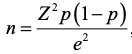
where Z = 1.96, p = 0.5, e = 0.03.
The value p=0.5 was selected to provide the most conservative estimate and ensure an adequate sample size in the absence of prior data, while margin of error e = ±3% was chosen to achieve high precision and reliable representativeness of the study results.
Study Population and Setting
The study targeted registered nurses employed across different departments at Hamad Medical Corporation (HMC), Qatar. A simple random sampling procedure was used to select participants. The sampling frame consisted of the complete roster of licensed nurses at HMC, with each nurse assigned a unique identification number. Randomization was performed using Microsoft Excel’s RAND function to generate a randomly ordered list.
To mitigate potential non-response, the initial calculated sample of 980 nurses (based on a 95% confidence level and ±3% margin of error for a population of approximately 12,000 nurses) was increased by 245 nurses, resulting in 1,225 nurses being contacted. The questionnaire was distributed to these nurses via their official HMC email accounts, and 980 responses were received and included in the final study sample. This approach ensured equal probability of selection and broad representation across hospitals and nursing units within HMC.
The study was conducted exclusively within HMC facilities.
Inclusion Criteria
- Registered nurses currently employed at HMC.
- Nurses who voluntarily consented to participate.
- Nurses with a minimum of six months of experience at HMC to ensure familiarity with the organizational culture and leadership practices.
Exclusion Criteria
- Nurses on leave or absent during data collection.
- Nurses in managerial or supervisory roles.
- Contract or temporary nurses.
Data Collection
Data were collected via structured online questionnaires distributed through Google Forms. The survey instruments covered the following areas:
- Socio-demographic Data
- Collected information included age, gender, nationality, years of nursing experience, tenure at HMC, education level, hospital, and department.
- Multifactor Leadership Questionnaire (MLQ-5X)
This 45-item tool assessed leadership styles (transformational, transactional, and laissez-faire) across dimensions such as inspirational motivation, intellectual stimulation, and contingent reward. Responses were recorded on a 5-point Likert scale (0 = “Not at all” to 4 = “Frequently, if not always”) [21].
Items were grouped into their respective leadership dimensions using the MLQ scoring key. For each dimension, a mean score was calculated by summing the responses to the items composing that scale and dividing by the number of valid responses. All leadership style subscales consisted of four items each. Blank or missing responses were excluded from the calculations. Higher mean scores indicated more frequent exhibition of the corresponding leadership behaviors. Leadership dimensions were analyzed as continuous variables rather than categorizing leaders into a single leadership style. The tool demonstrated strong reliability, with Cronbach’s alpha ranging from 0.70 to 0.90.
- Nursing Performance Instrument (NPI)
This 20-item instrument assessed nursing performance across clinical and interpersonal dimensions. Responses were rated on a 6-point Likert scale (1 = “Strongly Disagree” to 6 = “Strongly Agree”) [22].
NPI scores were calculated by summing the item responses within each domain and dividing by the number of items to obtain mean domain scores. An overall NPI score was computed by averaging all 9 items. Missing responses were excluded from the calculations. Higher scores indicated better perceived nursing performance.
The instrument yielded a Cronbach’s alpha of 0.80, indicating strong reliability.
Statistical Considerations and Data Analysis
Primary and Secondary Outcomes
- Primary Outcomes: Nurses’ job performance.
- Secondary Outcome: The relationship between nurse manager leadership styles and the three primary outcomes.
Data Analysis Plan
1. Descriptive Statistics
Summarized participant characteristics and key variables using means and standard deviations (mean±SD), or medians and interquartile intervals (IQR), for numerical data, while ranges, and percentages for qualitative and categorical data.
2. Inferential Statistics
- Normality of continuous variables was assessed using the Shapiro–Wilk test, which indicated non-normal distribution (p < 0.05).
- Spearman’s Correlation Coefficient: Used to assess associations between leadership styles and outcome variables.
- Mann–Whitney U Test: Applied to compare differences in outcome variables between two independent groups
- Kruskal–Wallis H Test: Used to compare differences across three or more independent groups
- A p-value (p) < 0.05 was considered statistically significant.
Statistical Software
All analyses were performed using SPSS-26 (Statistical Package for the Social Sciences-26).
Ethical Approval and Informed Consent Statement
Informed consent was obtained from all study participants. The purpose, procedures, and voluntary nature of the study were explained through official internal communication channels via HMC e-mail. Participants provided electronic consent after having at least two months to review the study information before deciding to participate. Only registered nurses employed at Hamad Medical Corporation (HMC) who met the inclusion criteria were enrolled. No financial incentives were offered for participation.
The study was approved by the Medical Research Center (MRC) – Local Ethics Committee of Hamad Medical Corporation, Qatar (Protocol No. MRC-01-24-356),with approval granted on 15/08/2024, and was conducted in accordance with the principles of the Declaration of Helsinki and Good Clinical Practice (GCP), as well as the regulations of the Ministry of Public Health (MoPH), Qatar. Participant anonymity and data confidentiality were strictly maintained throughout the study.
RESULTS
Demographic and Professional Characteristics
The study sample (N=980) exhibits a predominant representation of females (72.14%), while males account for 27.86%. The sex ratio of 0.39 males per female (Table 1).
| Characteristics | Categories | Frequency (n) | Percent (%) | Mean± SD | Median (IQR) |
| Gender | Male | 273 | 27.86 | ||
| Female | 707 | 72.14 | |||
| Marital Status | Single | 138 | 14.08 | ||
| Married | 820 | 83.67 | |||
| Widowed | 8 | 0.82 | |||
| Separated / Divorced | 14 | 1.43 | |||
| Nationality | Cuban | 36 | 3.67 | ||
| Egyptian | 16 | 1.63 | |||
| Filipino | 332 | 33.88 | |||
| Indian | 413 | 42.14 | |||
| Iranian | 3 | 0.31 | |||
| Jordanian | 64 | 6.53 | |||
| Lebanese | 5 | 0.51 | |||
| Palestinian | 8 | 0.82 | |||
| Somali | 3 | 0.31 | |||
| Sudanese | 51 | 5.20 | |||
| Tunisian | 49 | 5.00 | |||
| Age (years) | ≤30 years | 64 | 6.53 |
40.40 ± 7.89 |
37 (35-46) |
| ]30-45] | 657 | 67.04 | |||
| > 45 | 259 | 26.43 |
Table 1. Demographic Characteristics (N=980)
The majority of participants are married (83.67%), with a smaller proportion being single (14.08%) or widowed (0.82%). In terms of nationality, the most represented groups are Indian (42.14%) and Filipino (33.88%), collectively comprising over 75% of the total sample, while other nationalities, such as Jordanian (6.53%), Sudanese (5.20%), and Tunisian (5.0%), are present in smaller proportions. Certain nationalities, including Iranian (0.31%) and Somali (0.31%), have minimal representation. The mean age of the participants is 40.40 ±7.89 years, with a minimum age of 26 years and a maximum age of 62 years. The majority belonging to the 30-45 age group (67.04%), followed by those over 45 years (26.43%), and only a small percentage ≤30 years (6.53%).
The professional characteristics of the study sample (N=980) reveal a workforce with diverse experience levels and educational backgrounds (Table 2). The mean years of experience as a nurse is 16.85 ± 7.14 years, ranging from 3 to 39 years. The majority have 5-15 years of experience (54.29%), followed by those with more than 15 years (43.57%), and a small proportion with ≤5 years (2.14%). Experience within Hamad Medical Corporation (HMC) follows a similar trend, with a mean of 9.93 ± 7.54 years, ranging from 1 to 36 years. The distribution shows that 36.73% have ≤5 years, 37.65% have 5-15 years, and 25.61% have over 15 years of experience in HMC.
Regarding education, the majority hold a Bachelor’s degree (76.63%), while 14.18% have a diploma, and 9.18% hold a Master’s degree or higher.
The participants are distributed across various hospitals, with the highest representation from Hamad General Hospital (27.55%), followed by Rumailah Hospital (11.63%), Al Wakra Hospital (11.43%), and Women’s Wellness and Research Center (8.16%). Other facilities, including specialty hospitals like the Communicable Disease Center (1.53%) and The Cuban Hospital (1.73%), have lower representation.
In terms of departmental distribution, the Surgical Department (35.51%) and Medical Department (30.20%) have the highest number of participants, followed by Critical Care/Emergency Services (22.45%) and Outpatient and Ambulatory Services (11.84%).
| Characteristics | Categories | Frequency (n) | Percent (%) | Mean± SD | Median (IQR) |
| Years of experience as a nurse | ≤5 years | 21 | 2.14 |
16.85 ± 7.14 |
15(12-22) |
| ]5-15] | 532 | 54.29 | |||
| > 15 | 427 | 43.57 | |||
| Years of experience in HMC | ≤5 years | 360 | 36.73 |
9.93 ± 7.54 |
7(4-17) |
| ]5-15] | 369 | 37.65 | |||
| > 15 | 251 | 25.61 | |||
| Educational background
|
Diploma | 139 | 14.18 | ||
| Bachelor’s degree | 751 | 76.63 | |||
| Master’s degree | 90 | 9.18 | |||
| Hospital
|
Hamad General Hospital | 270 | 27.55 | ||
| Ambulatory Care Center | 58 | 5.92 | |||
| Qatar Rehabilitation Institute | 17 | 1.73 | |||
| NCCCR | 19 | 1.94 | |||
| Mental Health Service | 48 | 4.90 | |||
| Communicable Disease Center | 15 | 1.53 | |||
| Al Khor Hospital | 72 | 7.35 | |||
| Rumailah Hospital | 114 | 11.63 | |||
| Al Wakra Hospital | 112 | 11.43 | |||
| Hazm Mebaireek General Hospital | 64 | 6.53 | |||
| Aisha Bint Hamad Al Attiyah Hospital | 63 | 6.43 | |||
| The Cuban Hospital | 17 | 1.73 | |||
| Women’s Wellness and Research Center | 80 | 8.16 | |||
| Heart Hospital | 31 | 3.16 | |||
| Department
|
Critical Care / Emergency Services | 220 | 22.45 | ||
| Medical Department | 296 | 30.20 | |||
| Surgical Department | 348 | 35.51 | |||
| Outpatient (OPD) and Ambulatory Services | 116 | 11.84 |
Table 2. Professional Characteristics (N=980)
Nurse Manager Leadership Styles
The results indicate that transactional leadership (2.57±0.85) is more dominant than transformational leadership (2.20±1.05), suggesting that leaders in this sample primarily rely on structured management approaches, such as performance-based rewards (contingent reward, 2.56±1.05) and active monitoring (management by exception – active: 2.58±0.98), rather than fostering innovation, motivation, or individualized consideration (Table 3).
| Minimum | Maximum | Mean | S D | Median | Q1 | Q3 | |
| Idealized Attributes or Idealized Influence (Attributes) | 0.00 | 4.00 | 2.19 | 1.14 | 2.25 | 1.50 | 3.00 |
| Idealized Behaviors or Idealized Influence (Behaviors) | 0.00 | 4.00 | 2.35 | 1.15 | 2.50 | 1.75 | 3.25 |
| Inspirational Motivation | 0.00 | 4.00 | 2.34 | 1.22 | 2.50 | 1.50 | 3.25 |
| Intellectual Stimulation | 0.00 | 4.00 | 2.21 | 1.11 | 2.25 | 1.50 | 3.00 |
| Individual Consideration | 0.00 | 4.00 | 1.94 | 0.96 | 2.00 | 1.25 | 2.75 |
| Transformational | 0.00 | 4.00 | 2.20 | 1.05 | 2.35 | 1.55 | 3.00 |
| Contingent Reward | 0.00 | 4.00 | 2.56 | 1.05 | 2.75 | 2.00 | 3.25 |
| Mgmt by Exception (Active) | 0.00 | 4.00 | 2.58 | 0.98 | 2.75 | 2.00 | 3.25 |
| Transactional | 0.25 | 4.00 | 2.57 | 0.85 | 2.62 | 2.00 | 3.12 |
| Mgmt by Exception (Passive) | 0.00 | 4.00 | 1.55 | 1.01 | 1.25 | 0.75 | 2.25 |
| Laissez-Faire | 0.00 | 4.00 | 1.43 | 1.05 | 1.25 | 0.50 | 2.25 |
| Passive Avoidant | 0.00 | 4.00 | 1.49 | 0.97 | 1.37 | 0.75 | 2.12 |
| Extra Effort | 0.00 | 4.00 | 2.17 | 1.20 | 2.33 | 1.00 | 3.00 |
| Effectiveness | 0.00 | 4.00 | 2.25 | 1.22 | 2.50 | 1.00 | 3.00 |
| Satisfaction | 0.00 | 4.00 | 2.28 | 1.31 | 2.50 | 1.00 | 3.00 |
| Outcomes of Leadership | 0.00 | 400 | 2.23 | 1.20 | 2.42 | 1.05 | 3.16 |
Table 3. Nurse Manager Leadership Styles
Within transformational leadership, the highest subscale is idealized influence behaviors (2.35±1.15), indicating that some leaders demonstrate strong role-modeling behaviors. However, individual consideration (1.94±0.96) is the lowest, suggesting that leaders may not provide enough mentorship or personalized support to the nurses.
The passive-avoidant leadership style (1.49±0.97) has the lowest overall scores, particularly laissez-faire leadership (1.43±1.05), indicating that leaders in this sample are generally engaged and do not frequently avoid decision-making. However, the management by exception – passive score (1.55±1.01) suggests that some leaders may still wait until problems arise before taking corrective action.
Regarding leadership outcomes, the scores for effectiveness (2.25±1.22) and satisfaction (2.28±1.31) indicate moderate levels of perceived leader effectiveness and staff satisfaction. Overall outcomes of leadership (2.23±1.20) reflect a tendency towards average performance across the sample, with some variability.
Nurses’ Job Performance
The results of the Nursing Performance Instrument (NPI) and its three subscales reveal interesting insights into the nursing workforce’s performance (Table 4).
| Minimum | Maximum | Mean | SD | Median | Q1 | Q3 | |
| Physical / mental decrement | 1.00 | 6.00 | 2.91 | 1.11 | 3.00 | 2.00 | 3.66 |
| Consistent practice | 1.00 | 6.00 | 4.73 | 1.29 | 5.00 | 4.25 | 5.75 |
| Behavioral change | 1.00 | 6.00 | 3.61 | 1.33 | 3.50 | 3.00 | 4.50 |
| Nursing Performance Instrument (NPI) | 1.00 | 5.78 | 3.88 | 0.94 | 3.88 | 3.44 | 4.44 |
Table 4. Nurses’ Job Performance
The subscale “Physical/Mental Decrement” had a mean score of 2.91±1.11, suggesting that nurses report a moderate level of physical and mental strain, though it is not perceived as a severe issue overall. The “Consistent Practice” subscale scored the highest, with a mean of 4.73±1.29, indicating that nurses generally perceive themselves as maintaining consistent and stable practices in their roles. The “Behavioral Change” subscale, with a mean of 3.61±1.33, suggests that there is moderate evidence of behavioral changes in nursing practice. Lastly, the overall NPI score of 3.88±0.94 indicates a generally positive view of nursing performance, reflecting a moderate level overall.
Comparison of Socio-demographic Characteristics and Their Association with Nurses’ Job Performance
Female nurses had significantly higher job performance than male nurses (mean rank: 536.67 vs. 370.92, p < 0.001) (Table 5).
| Characteristics | Categories | Mean Rank | Test | p-value (test) |
| Gender
|
Male | 370,92 | 63861,5 | < 0.001 (MW)*
|
| Female
|
536,67 | |||
| Marital Status | Single | 551.12 |
9.513
|
0.009 (KW)*
|
| Married | 472.37 | |||
| Widowed | 457.50 | |||
| Nationality | Cuban | 268.22 | 150.584
|
< 0.001 (KW)*
|
| Egyptian | 389.00 | |||
| Filipino | 576.75 | |||
| Indian | 498.81 | |||
| Iranian | 715.83 | |||
| Jordanian | 298.00 | |||
| Lebanese | 717.70 | |||
| Palestinian | 754.00 | |||
| Somali | 649.17 | |||
| Sudanese | 486.15 | |||
| Tunisian | 198.83 | |||
| Age (years) | ≤30 years | 568.97 | 29.617
|
< 0.001 (KW)*
|
| ]30-45] | 456.10 | |||
| > 45 | 558.38 | |||
| Years of experience as a nurse
|
≤5 years | 509.26 | 1.273
|
0.529 (KW)*
|
| ]5-15] | 481.21 | |||
| > 15 | 501.15 | |||
| Years of experience in HMC
|
≤5 years | 472.97 | 0.003 | 11.533 (KW)* |
| ]5-15] | 472.07 | |||
| > 15 | 542.74 | |||
| Educational background | Diploma | 425.49 | 9.391
|
0.009 (KW)*
|
| Bachelor’s degree | 498.19 | |||
| Master’s degree | 526.72 | |||
| Hospital | Hamad General Hospital | 527.88 | 61.003 | < 0.001(KW)* |
| Al Khor Hospital | 375.75 | |||
| Rumailah Hospital | 428.29 | |||
| Al Wakra Hospital | 458.57 | |||
| Hazm Mebaireek General Hospital | 500.56 | |||
| Aisha Bint Hamad Al Attiyah Hospital | 462.40 | |||
| The Cuban Hospital | 263.56 | |||
| Women’s Wellness and Research Center | 481.40 | |||
| Heart Hospital | 607.08 | |||
| Ambulatory Care Center | 531.40 | |||
| Qatar Rehabilitation Institute | 583.32 | |||
| NCCCR | 683.03 | |||
| Mental Health Service | 493.17 | |||
| Communicable Disease Center | 703.83 | |||
| Department | Critical Care / Emergency Services | 492.86 | 43.713 | < 0.001(KW)* |
| Medical Department | 488.47 | |||
| Surgical Department | 440.61 | |||
| Outpatient (OPD) and Ambulatory Services | 640.84 |
Note: MW = Mann–Whitney U test; KW = Kruskal–Wallis H test; *p < 0.05 indicates statistical significance.
Table 5. Comparison of Socio-demographic Characteristics and Their Association with Nurses’ Job Performance.
Single nurses reported the highest performance, followed by married and widowed nurses (551.12 vs. 472.37 vs. 457.50, p = 0.009). Significant differences were observed across nationalities, with Palestinian nurses showing the highest performance and Tunisian nurses the lowest (754.00 vs. 198.83, p < 0.001).
Regarding age, nurses aged ≤30 years had the highest performance, followed by those >45 years and those aged 30–45 years (568.97 vs. 558.38 vs. 456.10, p < 0.001). Years of experience as a nurse were not significantly associated with performance, although nurses with ≤5 years of experience had higher performance than those with >15 years or 5–15 years (509.26 vs. 501.15 vs. 481.21, p = 0.529).
Years of experience at HMC were significantly associated with performance, with nurses having >15 years of experience showing the highest performance and those with 5–15 years the lowest (542.74 vs. 472.07, p = 0.003). Educational background influenced performance, with nurses holding a Master’s degree reporting the highest and those with a diploma the lowest (526.72 vs. 425.49, p = 0.009).
Job performance differed significantly across hospitals, with the Mental Health Service reporting the highest and ABAH the lowest performance (703.83 vs. 263.56, p < 0.001). Finally, departmental differences were significant, with the Surgical Department showing the highest performance and the Medical Department the lowest (640.84 vs. 440.61, p < 0.001).
Correlation between Nurse Manager Leadership Styles and Nurses’ Performance
Table 6 explores the relationships between leadership styles and various aspects of nursing performance, including physical/mental decrement, consistent practice, behavioral change, and overall performance measured by the Nursing Performance Instrument (NPI).
Transformational leadership shows a moderate positive correlation with consistent practice (rho = 0.323, p <0.001) and a weak positive correlation with nursing performance (rho = 0.146, p < 0.001). However, there are no significant relationships with physical/mental decrement (rho = 0.017, p = 0.597) or behavioral change (rho = 0.022, p = 0.489). These results suggest that transformational leadership encourages consistent practice and slightly enhances overall performance but does not appear to directly influence nurses’ physical or mental well-being or their immediate behavioral adjustments.
|
|
Physical/mental decrement | Consistent practice | Behavioral change | Nursing Performance Instrument (NPI) | |
| Transformational
|
Spearman Coefficient | 0.017 | 0.323 | 0.022 | 0.146 |
| p-value | 0.597 | < 0.001 | 0.489 | <0.001 | |
| Transactional
|
Spearman Coefficient | -0.277 | -0.055 | -0.339 | -0.230 |
| p-value | < 0.001 | 0.083 | < 0.001 | < 0.001 | |
| Passive Avoidant
|
Spearman Coefficient | 0.038 | -0.073 | -0.087 | -0.121 |
| p-value | 0.233 | 0.022 | 0.006 | < 0.001 | |
Table 6. Correlation between Nurse Manager Leadership Styles and Nurses’ Performance.
Transactional leadership presents a negative correlation with physical/mental decrement (rho = -0.277, p < 0.001), behavioral change (rho = -0.339, p < 0.001), and nursing performance (rho = -0.230, p < 0.001). The correlation with consistent practice is not significant (rho = -0.055, p = 0.083). These findings imply that transactional leadership may be associated with declines in behavioral adaptability and overall performance, potentially reflecting a rigid, reward-punishment dynamic that does not foster flexibility or proactive nursing behaviors.
Passive-avoidant leadership demonstrates weak negative correlations with consistent practice (rho = -0.073, p = 0.022), behavioral change (rho = -0.087, p = 0.006), and nursing performance (rho = -0.121, p < 0.001), though no significant relationship is found with physical/mental decrement (rho = 0.038, p = 0.233). This suggests that passive-avoidant leadership slightly undermines effective nursing practices and performance, likely due to a lack of guidance and support.
In summary, transformational leadership has the most positive influence, especially on consistent practice and overall nursing performance. In contrast, transactional leadership seems linked to negative outcomes, particularly regarding behavioral flexibility and performance, while passive-avoidant leadership also has small but significant negative effects.
DISCUSSION
Demographic and Professional Characteristics
The demographic characteristics of the sample provide important context for interpreting job performance outcomes. The high representation of women (72.14%) is consistent with the global nursing workforce [23,24], though the smaller proportion of men (27.86%) may affect team diversity and performance styles [25]. The predominance of married nurses (83.67%) suggests stability, yet also underscores the dual stressors of family and professional responsibilities, which can affect concentration and efficiency [26,27]. The reliance on expatriate staff, especially Indian (42.14%) and Filipino (33.88%) nurses, reflects regional workforce trends but introduces cultural adaptation challenges that may shape performance consistency [28]. The average age (40.40 years) and extensive experience (16.85±7.14 years) demonstrate a mature workforce capable of sustaining performance. However, the limited presence of younger nurses (≤5 years’ experience, 2.14%) may hinder succession planning and innovation. The predominance of bachelor’s degrees (76.63%) indicates solid educational preparation, though the limited advanced degrees (9.18%) highlight opportunities to strengthen specialized competencies.
Nurse Manager Leadership Styles
Leadership findings confirmed transactional leadership (2.57±085) as the dominant style, with contingent rewards (2.56±1.05) and active monitoring (2.58±0.98) driving structured compliance. While these strategies ensure adherence to standards, they may not stimulate the innovation and adaptability increasingly demanded in modern healthcare settings [15,18]. The low emphasis on individual consideration (1.94±0.96) suggests a lack of personalized development, limiting opportunities for performance growth [8]. By contrast, transformational leadership has been consistently linked to enhanced job performance across diverse contexts [14,16]. Although passive-avoidant leadership (1.49±0.97) was rare, its occasional presence risks undermining performance through delayed intervention. These results suggest that adopting transformational leadership at HMC could strengthen consistency, adaptability, and clinical performance.
Nurses’ Job Performance
The high consistent practice scores (4.73±1.29) highlight nurses’ reliability in adhering to established protocols, a strength in error-prone healthcare settings. However, moderate behavioral change (3.61±1.33) signals resistance to adapting workflows, possibly due to rigid transactional leadership or fear of reprisal for deviations. The overall performance score (NPI = 3.88) suggests competence but not excellence, aligning with environments prioritizing compliance over innovation. Notably, physical/mental decrement (2.91±1.11) indicates that strain, while not severe, may hinder proactive initiatives. In a similar context in Iran, nurse performance was also reported at a moderate level, with the general performance aspect receiving the highest average score and the mental aspect the lowest [29].
Comparison of Socio-demographic Characteristics and Their Association with Nurses’ Job Performance
Job performance varied markedly across demographics. Females outperformed males (p < 0.001), aligning with a study conducted in the same context in Jordan, a Middle Eastern country, which linked female nurses to higher job performance [30]. This gender gap may reflect both enduring social norms around caring roles and targeted soft-skills training that disproportionately benefits female practitioners.
Single nurses showed higher performance (mean rank = 551.12) than married or widowed peers, possibly due to fewer familial responsibilities or greater focus on career progression. This contrasts with studies conducted in Jordan and Turkey, which found no significant relationship between marital status and job performance [30,31]. Nationality-based differences were stark: Palestinian nurses (mean rank = 754.00) excelled, while Tunisians (mean rank = 198.83) underperformed. This may reflect disparities in training quality, language proficiency, or workplace integration. Younger nurses (≤30 years) outperformed older colleagues (p < 0.001), suggesting adaptability to new protocols or technologies. Paradoxically, nurses with >15 years of HMC experience also performed well, indicating that institutional knowledge complements innovation. In the same context, a study conducted in Jordan found that age and experience were related to job performance [30].
Master’s-trained nurses (mean rank = 526.72) outperformed diploma holders, underscoring the value of advanced education in clinical decision-making. Hospitals like the Mental Health Service (mean rank = 703.83). Surgical departments (mean rank = 640.84) reported superior performance, likely due to specialized workflows or interdisciplinary collaboration. These findings advocate for competency-based training and equitable recognition of diverse backgrounds.
Correlation between Nurse Manager Leadership Styles and Nurses’ Job Performance
Transformational leadership moderately enhanced consistent practice (rho = 0.323, p < 0.001) but had no impact on behavioral change, suggesting it fosters reliability over innovation. The findings partially align with those reported by Mohammed Qtait on 2023, who conducted a systematic review of 12 quantitative studies investigating the relationship between leadership styles and nurse performance, reports that transformational leadership had the strongest positive correlation enhancing nursing care quality, job satisfaction, motivation, and patient outcomes [8].
Transactional leadership correlated negatively with performance (rho = -0.230, p < 0.001), particularly behavioral change (rho = -0.339, p < 0.001), implying rigid reward-punishment systems hinder adaptability. However, Qtait’s review found a moderate positive correlation between transactional leadership and nurse performance, indicating some benefits under structured systems [8].
Passive-avoidant leadership also undermined performance (rho = -0.121, p < 0.001), in line with Qtait’s conclusion that laissez-faire leadership had weak or no positive impact [8]. This consistent finding emphasizes that ambiguity, lack of guidance, and disengagement by leaders can significantly reduce nurse motivation and clarity in roles.
Recommendations
The findings of this study highlight the critical need to strengthen transformational leadership competencies among nurse managers at Hamad Medical Corporation (HMC). It is recommended that HMC invest in ongoing leadership development programs that emphasize communication, motivation, and professional empowerment to promote inspiring and participative managerial behaviors. Transformational leadership, by encouraging autonomy and creativity, can significantly enhance both individual and collective nursing performance, fostering consistency in clinical practice and adaptability in complex healthcare settings.
Furthermore, leadership competency assessments should be integrated into managerial performance evaluations to ensure that adopted leadership styles align with organizational goals and contribute to nurse productivity and job satisfaction. Organizational culture should also move toward reducing overreliance on transactional leadership, which focuses primarily on control and rewards, and instead foster more collaborative, innovative, and supportive leadership approaches.
Finally, creating a psychologically and physically supportive work environment is essential to reduce stress and fatigue among nurses, both of which can negatively affect long-term job performance
Strengths and limitations of the study
This study possesses several methodological strengths that enhance its scientific credibility. First, the use of a large and randomly selected sample (N = 980) provides strong representativeness and statistical reliability. The application of validated international instruments, namely the Multifactor Leadership Questionnaire (MLQ-5X) for assessing leadership styles and the Nursing Performance Instrument (NPI) for measuring clinical performance, adds to the study’s methodological rigor. Moreover, the use of robust statistical analyses including Spearman’s correlation, Mann–Whitney U, and Kruskal–Wallis H tests enabled comprehensive exploration of relationships between leadership styles and various aspects of job performance, providing a multidimensional understanding of these dynamics. Despite its strengths, the study also presents certain limitations. The most significant is its cross-sectional design, which limits the ability to infer causality between leadership style and nurse performance. It remains unclear whether transformational leadership directly improves performance, or whether nurses who perform better perceive their leaders as more transformational. Additionally, self-reported data may have introduced response bias, as participants could overestimate their performance due to social desirability or professional pride. Studies would provide a broader and more causal understanding of these leadership–performance relationships.
CONCLUSION
This study clearly demonstrates that nurse manager leadership styles have a significant and differentiated impact on nurses’ job performance within Hamad Medical Corporation. The results reveal that transformational leadership exerts the most substantial positive effect, enhancing consistency in clinical practice, adaptability to change, and overall professional performance. Nurses who perceive their leaders as visionary, supportive, and encouraging are more motivated, committed, and productive. These findings align with international literature showing that transformational leaders foster collaboration, reduce clinical errors, and improve both patient outcomes and staff well-being. In contrast, transactional leadership, while effective in maintaining compliance and operational discipline, tends to have limited influence on creativity and long-term professional growth. Its focus on control and reward systems may sustain performance in routine tasks but fails to nurture the initiative and innovation required in dynamic healthcare environments. On the other hand, passive-avoidant leadership emerges as the least effective style, being associated with disorganization, lack of motivation, and decreased performance due to minimal managerial involvement or guidance.
The implications for nursing leadership are profound. Developing a structured and culturally adaptive transformational leadership model should be a strategic priority for HMC. Such an approach can strengthen clinical performance, enhance innovation, reduce turnover, and promote a collaborative culture focused on quality and patient safety. Ultimately, this study underscores that effective leadership in nursing transcends task management it is fundamentally about mobilizing human potential to achieve excellence, empowerment, and resilience within healthcare organizations.
Local Ethics Committee approval
The study was approved by the Medical Research Center (MRC) – Local Ethics Committee of Hamad Medical Corporation, Qatar (Protocol No. MRC-01-24-356) and was conducted in accordance with the principles of the Declaration of Helsinki and Good Clinical Practice (GCP), as well as the regulations of the Ministry of Public Health (MoPH), Qatar. Participant anonymity and data confidentiality were strictly maintained throughout the study.
Conflicts of interest
This study was conducted in accordance with ethical standards. All participants provided informed consent. The authors declare no conflict of interest.
Sources of funding
This research received funding from the Medical Research Center at HMC.The authors thank the
Author contributions
Conception and design: Abdelbasset Ghalgaoui
Data collection: Abdelbasset Ghalgaoui
Data analysis and interpretation: Abdelbasset Ghalgaoui, Osama Helmi Mohammad Subih, Maha Mohamed Marzouk Ahmed, Mehdi Halleb, Nabil Ajjel.
Drafting of the manuscript: all authors.
Critical revision of the manuscript: Abdelbasset Ghalgaoui, Mehdi Halleb
Final approval: all authors
Acknowledgements
The authors thank the staff of Hamad Medical Corporation for their collaboration.
REFERENCES
- DeLucia PR, Ott TE, Palmieri PA. Performance in Nursing. Reviews of Human Factors and Ergonomics. SAGE Publications; 2009;5:1–40. https://doi.org/10.1518/155723409X448008
- El-Gazar HE, Zoromba MA. Nursing Human Resource Practices and Hospitals’ Performance Excellence: The Mediating Role of Nurses’ Performance. Acta Biomed. 2021;92:e2021022. https://doi.org/10.23750/abm.v92iS2.11247
- Gurses AP, Carayon P, Wall M. Impact of Performance Obstacles on Intensive Care Nurses’ Workload, Perceived Quality and Safety of Care, and Quality of Working Life. Health Services Research. 2009;44:422–43. https://doi.org/10.1111/j.1475-6773.2008.00934.x
- Shahnavazi A, Bouraghi H, Eshkiki MF, Shahnavazi H. The Effect of Perceived Organizational Climate on the Performance of Nurses in Private Hospitals [Internet]. Journal of Clinical Research in Paramedical Sciences. Brieflands; 2021 Dec. https://doi.org/10.5812/jcrps.108532
- Bae JY, Bae SH. The Effect of Clinical Nurses’ Critical Thinking Disposition and Communication Ability on Patient Safety Competency. J Korean Acad Fundam Nurs. Korean Academy of Fundamentals of Nursing; 2022;29:159–69. https://doi.org/10.7739/jkafn.2022.29.2.159
- Saputri CA. The Role of Nursing Interventions in Patient Satisfaction and Outcomes. AHR. 2023;1:75–87. https://doi.org/10.60079/ahr.v1i2.359
- Wieke Noviyanti L, Ahsan A, Sudartya TS. Exploring the Relationship between Nurses’ Communication Satisfaction and Patient Safety Culture. Journal of Public Health Research. SAGE Publications; 2021;10:jphr.2021.2225. https://doi.org/10.4081/jphr.2021.2225
- Qtait M. Systematic Review of Head Nurse Leadership Style and Nurse Performance. International Journal of Africa Nursing Sciences. 2023;18:100564. https://doi.org/10.1016/j.ijans.2023.100564
- Alrabadi N, Shawagfeh S, Haddad R, Mukattash T, Abuhammad S, Al-rabadi D, et al. Medication errors: a focus on nursing practice. J Pharm Health Serv Res. 2021;12:78–86. https://doi.org/10.1093/jphsr/rmaa025
- Asante BL, Zúñiga F, Favez L. Quality of care is what we make of it: a qualitative study of managers’ perspectives on quality of care in high-performing nursing homes. BMC Health Serv Res. 2021;21:1090. https://doi.org/10.1186/s12913-021-07113-9
- Christopher-Dwyer K, Scanlon KG, Crimlisk JT. Critical Care Resource Nurse Team: A Patient Safety and Quality Outcomes Model. Dimensions of Critical Care Nursing. 2022;41:46. https://doi.org/10.1097/DCC.0000000000000501
- Howell EA, Sofaer S, Balbierz A, Kheyfets A, Glazer KB, Zeitlin J. Distinguishing High-Performing From Low-Performing Hospitals for Severe Maternal Morbidity: A Focus on Quality and Equity. Obstet Gynecol. 2022;139:1061–9. https://doi.org/10.1097/AOG.0000000000004806
- Bass BM, Riggio RE. Transformational Leadership. Psychology Press; 2006.
- Hasan AA, Ahmad SZ, Osman A. Transformational leadership and work engagement as mediators on nurses’ job performance in healthcare clinics: work environment as a moderator. Leadersh Health Serv (Bradf Engl). 2023;36:537–61. https://doi.org/10.1108/LHS-10-2022-0097
- Wang H-F, Chen Y-C, Yang F-H, Juan C-W. Relationship between transformational leadership and nurses’ job performance: The mediating effect of psychological safety. Social Behavior and Personality: an international journal. 2021;49:1–12. https://doi.org/10.2224/sbp.9712
- Wijayanti K, Aini Q. The Influence of Transformational Leadership Style to Nurse Job Satisfaction and Performance in Hospital. Journal of World Science. 2022;1:485–99. https://doi.org/10.58344/jws.v1i7.69
- Al-Rjoub S, Alsharawneh A, Alhawajreh MJ, Othman EH. Exploring the Impact of Transformational and Transactional Style of Leadership on Nursing Care Performance and Patient Outcomes. Journal of Healthcare Leadership. Dove Medical Press; 2024;16:557–68. https://doi.org/10.2147/JHL.S496266
- Mekonnen M, Bayissa Z. The Effect of Transformational and Transactional Leadership Styles on Organizational Readiness for Change Among Health Professionals. SAGE Open Nursing. SAGE Publications Inc; 2023;9:23779608231185923. https://doi.org/10.1177/23779608231185923
- Suwarno B. Analysis Head Nurses’ Leadership Styles to Staff Inpatient Nurses’ Job Performance in Hospital. International Journal of Science, Technology & Management. 2023;4:317–26. https://doi.org/10.46729/ijstm.v4i2.770
- Abujaber AA, Nashwan AJ, Santos MD, Al-Lobaney NF, Mathew RG, Alikutty JP, et al. Bridging the generational gap between nurses and nurse managers: a qualitative study from Qatar. BMC Nurs. 2024;23:623. https://doi.org/10.1186/s12912-024-02296-y
- Avolio BJ, Bass BM. Multifactor leadership questionnaire: manual and sample set. Third edition. Place of publication not identified: Mind Garden, Inc.; 2004.
- Sagherian K, Steege LM, Geiger-Brown J, Harrington D. The Nursing Performance Instrument: Exploratory and Confirmatory Factor Analyses in Registered Nurses. J Nurs Res. 2018;26:130–7. https://doi.org/10.1097/jnr.0000000000000215
- Kharazmi E, Bordbar N, Bordbar S. Distribution of nursing workforce in the world using Gini coefficient. BMC Nursing. 2023;22:151. https://doi.org/10.1186/s12912-023-01313-w
- State of the world’s nursing report 2025 [Internet]. 2025 [cited 2025 Sept 22]. https://www.who.int/publications/i/item/9789240110236. Accessed 22 Sept 2025
- Shen J, Guo Y, Chen X, Tong L, Lei G, Zhang X. Male nurses’ work performance: A cross sectional study. 2022;101:e29977. https://doi.org/10.1097/MD.0000000000029977
- Al-Hasnawi AA, Aljebory MKA. Relationship between nurses’ performance and their demographic characteristics. Journal Port Science Research. 2023;6:11–5. https://doi.org/10.36371/port.2023.1.3
- Hwang E, Yu Y. Effect of Sleep Quality and Depression on Married Female Nurses’ Work–Family Conflict. International Journal of Environmental Research and Public Health. Multidisciplinary Digital Publishing Institute; 2021;18:7838. https://doi.org/10.3390/ijerph18157838
- Turjuman F, Alilyyani B. Emotional Intelligence among Nurses and Its Relationship with Their Performance and Work Engagement: A Cross-Sectional Study. Alamri M, editor. Journal of Nursing Management. 2023;2023:1–8. https://doi.org/10.1155/2023/5543299
- Niri M al-SM, Khademian Z, Rivaz M. Nurses’ Performance as a Mediator Between Nurses’ Fatigue and Patient Safety Culture: A Structural Equation Model Analysis. Nursing Open. 2025;12:e70168. https://doi.org/10.1002/nop2.70168
- Al-Harazneh R, Abu shosha GM, Al-Oweidat IA, Nashwan AJ. The influence of job security on job performance among Jordanian nurses. International Journal of Africa Nursing Sciences. 2024;20:100681. https://doi.org/10.1016/j.ijans.2024.100681
- Ari HO. Determining the Relationship Between Work Stress and Job Performance: A Cross-Sectional Study Among Healthcare Workers. Journal of Nursing Management. 2025;2025:5051149. https://doi.org/10.1155/jonm/5051149
 This work is licensed under a Creative Commons Attribution-NonCommercial-NoDerivatives 4.0 International License.